Abstract
The growing demand for digital content has created new demands for the competencies of contemporary graphic designers. Building on previous studies on competencies of Ghanaian graphic designers in 2020, this study attempts to further explore how the evolution of digital technologies have influenced the knowledge, skills and professional attributes required in the contemporary digital graphic design labour market. This was done in context of the rapid evolving of graphic design profession in response to technological advancement, digitalization and organizational change. Guided by a conceptual learning model proposed by Richard Voorhees, the study adopted a qualitative approach using a descriptive design. 66 online job ads for graphic design position were purposively selected between January and June 2025 to determine the trends and frequencies of the requests in the job advertisements. Both thematic and content analyses were employed to analyse the job advertisements to uncover the themes and patterns of the competencies requested by the hiring managers. The study found a wide range of multidisciplinary competencies, including creativity, ideation, coding, motion graphics, UI/UX design, meeting deadlines, social media platform management, and self-driven. The study highlights the need for graphic design education to continuously align curricula with evolving industry requirements while encouraging practitioners to engage in lifelong learning and professional development.
Keywords
Digital Graphic Design, Designer Competencies, Job Advertisements, Employability Skills, Design Education, Digital Skills, Creative Industry
1. Introduction
The rapid advancements in digital technologies have brought a number of positive changes in the way people communicate, work, and carry out other activities. Graphic design practice has undergone a considerable number of transformations over time, as it embraces all aspects associated with human existence that require visual communication. In the current digital visual culture, organizations are relying more on graphic designers to represent their brands, interact with their target audience and facilitate improved performance of their digital services
| [1] | L. Ding, X. He, and Y. Tang, “Integration of Chinese traditional cultural elements in modern graphic design teaching based on big data analysis,” J. Phys. Conf. Ser., vol. 1533, no. 4, 2020. https://doi.org/10.1088/1742-6596/1533/4/042095 |
[1]
. Contrary to the expectations of traditional graphic designers who primarily focused on print media, the digital graphic designers operate within an expanded creative ecosystem, which includes motion graphics, web design and development, social media platforms, digital marketing campaigns and mobile apps
. Additionally, with the current developments in modern media technologies and growing interest in digital media, people have become more critical of the attractiveness of media contents and their forms
. As such, they are looking beyond traditional forms while focusing more on the overall impression of the intended concept and perceived notion of what they see.
In a highly competitive global creative design industry, the digital designer positions attract individuals with diverse qualifications and level of experience. Most organizations are specifically looking for creative designers who demonstrate competence in managing other soft skills, such as creativity, adaptability, time management, interpersonal skills, as well as collaboration
| [4] | N. Opoku, “Readiness to enter the workforce: Perceptions of graphic design students against market demands,” Arts Des. Stud., vol. 109, pp. 14–26, 2024. https://doi.org/10.7176/ADS/109-03 |
| [5] | N. Opoku, E. Appiah, and P. DeGraft-Yankson, “Competencies of the present-day Graphic Designer: A document analysis of online job ads in Ghana,” J. Graph. Eng. Des., vol. 11, no. 2, pp. 37–45, Dec. 2020.
https://doi.org/10.24867/JGED-2020-2-037 |
| [6] | H. Sørum and L. Pettersen, “In need of an interaction designer? What the industry wants and what it actually gets!,” in NOKOBIT, 2016. |
| [7] | P. R. N. Dziobczenski, O. Person, and S. Meriläinen, “Designing career paths in graphic design: A document analysis of job advertisements for graphic design positions in Finland,” Des. J., vol. 21, no. 3, pp. 349–370, 2018.
https://doi.org/10.1080/14606925.2018.1444874 |
| [8] | P. R. N. Dziobczenski and O. Person, “Graphic designer wanted: A document analysis of the described skill set of grahphic designers in job advertisments from the United Kingdom,” Int. J. Des., vol. 11, no. 2, pp. 41–55, 2017. |
[4-8]
. Moreover, the emphasis on portfolio presentation, together with the need for problem-solving skills and proficiency in emerging tools such as Figma or motion graphics software, indicates that the role of graphic designer has gradually evolved from production of static graphics to promoting interactive digital design experiences
| [5] | N. Opoku, E. Appiah, and P. DeGraft-Yankson, “Competencies of the present-day Graphic Designer: A document analysis of online job ads in Ghana,” J. Graph. Eng. Des., vol. 11, no. 2, pp. 37–45, Dec. 2020.
https://doi.org/10.24867/JGED-2020-2-037 |
[5]
.
Earlier studies on graphic designer competencies have demonstrated that successful graphic designers combine multiple forms of expertise, including innovative conceptual design thinking, technical proficiency, professional adaptability and competence in emerging technologies
| [5] | N. Opoku, E. Appiah, and P. DeGraft-Yankson, “Competencies of the present-day Graphic Designer: A document analysis of online job ads in Ghana,” J. Graph. Eng. Des., vol. 11, no. 2, pp. 37–45, Dec. 2020.
https://doi.org/10.24867/JGED-2020-2-037 |
| [8] | P. R. N. Dziobczenski and O. Person, “Graphic designer wanted: A document analysis of the described skill set of grahphic designers in job advertisments from the United Kingdom,” Int. J. Des., vol. 11, no. 2, pp. 41–55, 2017. |
[5, 8]
. Such skills enable designers to respond to rapidly changing demands of emerging technologies and the dynamic nature of the creative digital graphic design industry. Building on previous studies on skills and knowledge required by Ghanaian graphic designers
| [5] | N. Opoku, E. Appiah, and P. DeGraft-Yankson, “Competencies of the present-day Graphic Designer: A document analysis of online job ads in Ghana,” J. Graph. Eng. Des., vol. 11, no. 2, pp. 37–45, Dec. 2020.
https://doi.org/10.24867/JGED-2020-2-037 |
[5]
, this study attempts to further explore how the evolution of digital technologies have influenced the knowledge, skills and professional attributes required of digital graphic designers. The findings of the study are expected to contribute to the development of more relevant graphic design curricula and to support the preparation of students for careers in the digital creative industry.
2. Review of Related Literature
2.1. Digital Graphic Design Practice
At its core, the digital graphic design involves organising and presenting concepts and events using text, images and sound. It involves planning and projecting ideas and situations using visual and written materials to create a conversation between people and a product or service. In this type of design, the designer considers the object being designed and how people engage with it. This ensures that the end product is not only aesthetically pleasing but also functional and user-friendly. Therefore, designers can adapt the output to fit the exact demands when they perform in-depth analyses of what users’ wants, limits and circumstances
| [9] | M. S. Ahmad, S. A. M. Alharahsheh, M. Ibrahim, I. Abdullah, and M. H. Omar, “Vernacular graphic design: Interactive logos for tourism Terengganu,” in International Conference on Design Innovation, Social Science & Technology, 2021.
https://doi.org/10.1063/5.0055691 |
[9]
. Digital graphic designers combine creativity and technical expertise to design engaging visual contents using tools such as Figma, Sketch, Adobe Creative Cloud and other interface design software
. They work in collaboration with web developers, marketers and UX/UI specialists to ensure that visual elements are not only attractive but also functional and user-centered.
Due to a growing global need for online communication, graphic design profession has expanded into new territories that integrate design thinking, human-computer interaction and visual storytelling. The profession demands hybrid skills to satisfy the increasing need for these demands. The graphic design profession in Ghana is poised to grow due to the anticipated rise in demand for computer technologies and software. The profession demands designers who can blend design concepts with coding skills to create engaging and interactive visual content. The study by Opoku et al.
| [5] | N. Opoku, E. Appiah, and P. DeGraft-Yankson, “Competencies of the present-day Graphic Designer: A document analysis of online job ads in Ghana,” J. Graph. Eng. Des., vol. 11, no. 2, pp. 37–45, Dec. 2020.
https://doi.org/10.24867/JGED-2020-2-037 |
[5]
shows that the need for graphic designers who can merge design principles with coding skills is increasing. This further expands the scope of graphic design and gives graphic designers an excellent opportunity to increase their demand in the future. The integration of animation and motion graphics also opens new avenues for graphic designers, as it allows them to bring designs to life and enhance user engagement. As technology advances, graphic designers need to adapt and acquire new skills to remain relevant in today’s ever-changing graphic design profession
| [5] | N. Opoku, E. Appiah, and P. DeGraft-Yankson, “Competencies of the present-day Graphic Designer: A document analysis of online job ads in Ghana,” J. Graph. Eng. Des., vol. 11, no. 2, pp. 37–45, Dec. 2020.
https://doi.org/10.24867/JGED-2020-2-037 |
[5]
.
The digital graphic design profession heavily depends on specialized digital tools and software to execute design tasks. Some of the essential tools are Adobe Photoshop, for raster image editing, Adobe Illustrator, for vector illustrations, and Adobe InDesign, for page layout design. Others include Figma and Sketch, for interface design as well as Adobe XD, for prototyping
. For motion graphics, Adobe After Effects and Adobe Premiere Pro are common choices for designers
. In recent years, user-friendly platform like Canva has gained popularity for quick content creation. Moreover, the integration of generative AI features into mainstream tools such as Adobe Firefly has also changed the way graphic designers approach ideation and asset production, allowing for faster prototyping and content generation
.
As a result of this digital graphic design practise, user experience and user interface design are gaining importance in the graphic design industry. In digital design, user experience and user interface design can be used to create more engaging and effective campaigns. User interface design fosters digital art creativity, which refers to the creative use of digital tools and techniques to create visual components, layouts and interactions for digital interfaces for websites or mobile applications
| [13] | M. Abushawali, Y. P. Lim, and A. Bedu, “The impact of new digital media on graphic designer in Jordan,” in International Conference on Informatics and Creative Multimedia, 2013, pp. 274–277. |
[13]
. For example, a well-designed website or mobile app can help users find the information they need about products and services and encourage them to take a specific action, such as making a purchase or signing up for a newsletter
. Furthermore, user experience and interface design may contribute to a consistent brand experience across various communication design platforms
. All of this falls under the category of graphic design talents since digital designers who specialise in user interface design employ their graphic design and creative abilities to produce engaging and functional user experiences
| [15] | S. Guo et al., “Vinci: An intelligent graphic design system for generating advertising posters,” in CHI Conference on Human Factors in Computing Systems, 2021, pp. 1–17.
https://doi.org/10.1145/3411764.3445117 |
[15]
.
Digital graphic design practices typically follow a structured but iterative process. This includes research and briefing, concept development, prototyping, testing, production and evaluation
| [8] | P. R. N. Dziobczenski and O. Person, “Graphic designer wanted: A document analysis of the described skill set of grahphic designers in job advertisments from the United Kingdom,” Int. J. Des., vol. 11, no. 2, pp. 41–55, 2017. |
[8]
. During the research and ideation stage, designers analyze client goals and user needs. Design and prototyping involve creating mockups and interactive prototypes using professional software like Figma, Adobe XD and Sketch. Testing and refinement are then conducted to ensure the designs meet the required standards and have been delivered appropriately. Furthermore, the final stage in digital graphic design is handover which is an important step because it determines the success or otherwise of the graphic design
| [6] | H. Sørum and L. Pettersen, “In need of an interaction designer? What the industry wants and what it actually gets!,” in NOKOBIT, 2016. |
[6]
. These workflows are usually collaborative, involving team of designers, developers and other experts like UX designers and marketing analysts. Accordingly, the graphic designer’s role has changed over time and now requires additional skills to design and develop appealing graphics for digital media and other interactive devices.
2.2. Digital Transformation and Emerging Trends in Ghana
The development of technologically advanced tools has revolutionized the contemporary graphic design practice, shifting the production and consumption of visual communication from predominantly physical media toward digitally mediated environments. The integration of sophisticated computer technologies, coding, interactive platforms and communication tools have redefined the means and modes of graphic design. This transformation has influenced not only the tools and processes employed by designers but also the nature of design outcomes, as visual communication increasingly incorporates interactivity, user engagement and digital experiences.
Interactive digital designs are becoming more prevalent in Ghana, compelling graphic design professionals and organisations to rethink and retool their practices and processes respectively. According to Opoku et al.
| [5] | N. Opoku, E. Appiah, and P. DeGraft-Yankson, “Competencies of the present-day Graphic Designer: A document analysis of online job ads in Ghana,” J. Graph. Eng. Des., vol. 11, no. 2, pp. 37–45, Dec. 2020.
https://doi.org/10.24867/JGED-2020-2-037 |
[5]
, interactive design is emerging in the Ghanaian graphic design industry, as financial institutions are already using mobile applications and websites with attractive graphics. The increased use of websites and mobile apps to improve customer engagement reflects the evolution of the graphic design process and practice from producing print ads to engaging customers through interactive digital content and experiences. Additionally, digital platforms have made it possible for businesses and individuals to outsource design projects beyond geographical limitations, allowing clients in Ghana to engage graphic designers from other parts of the world. However, this trend creates unhealthy competition as graphic designers in Ghana must contend with other global digital design agencies that have the technological know-how and capital to deliver high-quality digital graphic designs. Therefore, to survive the competition, graphic designers in Ghana must invest more in acquiring digital design skills, adapt to emerging technologies and become more innovative.
Advancements in technology and growth of the digital economy have further intensified the demand for technology-oriented creative skills, which pose new challenges and opportunities for the graphic design industry. The International Finance Corporation (IFC)
estimated that millions of job opportunities worldwide would require individuals with coding and technology-related skills citing developing country like Ghana as emerging participants in the digital economy. Although graphic design is traditionally associated with visual creativity, the trends in the employment landscape suggest the need for designers to acquire technological proficiency to remain relevant. For instance, knowledge of web design and development, UI/UX design, motion graphics and digital content development are becoming increasingly important within the graphic design profession in Ghana
| [4] | N. Opoku, “Readiness to enter the workforce: Perceptions of graphic design students against market demands,” Arts Des. Stud., vol. 109, pp. 14–26, 2024. https://doi.org/10.7176/ADS/109-03 |
[4]
.
The increased use of mobile devices and other digital platforms among Ghanaian consumers have accelerated the transition from conventional print media toward digitally driven communication design channels forcing many businesses to rethink their approach to packaging products and services, creating a new niche for graphic designers to participate in and profit from it. Although this digital transformation opens new opportunities for expanding the role of graphic designers within Ghana’s creative design economy, questions about graphic designers’ preparedness and the capacity of institutions offering graphic design programmes to meet the changing needs of the digital graphic design industry persist.
2.3. Graphic Design Education and Professional Practice in the Digital Era
The main aim of graphic design education has been to prepare students for entry into professional practice by developing creative, technical and intellectual competencies required within the design industry. Graphic design education, like any other areas of studies, takes place at an intersection of creativity, technology and professional practice, where design students gain knowledge and skills to engage in professional practice and solve real-world visual communication design problems. Hence, the effectiveness of graphic design programme is often judged by how well its graduates are prepared for the profession and subsequently contribute meaningfully to professional practice. The connection between graphic design education and graduate employability and the role of graphic design education in general has been widely researched. For instance, Ionescu and Cuza
| [17] | A. M. Ionescu and A. I. Cuza, “How does education affect labour market outcomes?,” Rev. Appl. Socio- Econ. Res., vol. 4, no. 2, p. 130, 2012. |
[17]
expound on the notion that the designer’s level of education ultimately determines their productivity, job stability, salary level and overall professional growth. In line with this perspective, Davis
| [18] | M. Davis, “Raising the bar for higher education,” in The education of a graphic designer, S. Heller, Ed. Allworth Press, 2005, pp. 13–18. |
[18]
and Wilson
explain the importance of formal design education that equips future designers with the needed professional competencies to thrive in the graphic design industry. Through studio-based learning, graphic design students are equipped with the knowledge and skills required to execute attractive visual communication design solutions to satisfy both their clients and employers.
However, the current discourse appears to indicate that professional qualifications alone may no longer guarantee employability in the rapidly changing graphic design profession that seems to require more than just academic expertise and skillsets. According to Muratovski
| [20] | G. Muratovski, Research for designers: A guide to methods and practice. SAGE Publications Inc, 2016. |
[20]
, graphic design graduates stand a better chance to survive in the competitive design industry if they use their competencies to make products and services attractive against other competing companies. Similarly, McWade
argues that the graphic design profession has shifted over time and therefore contemporary designers need to think entrepreneurially to sell their services and products successfully. As such, there is a need for graphic design education to shift from simply teaching students the necessary technical skills to developing adaptability, innovation, entrepreneurial thinking and industry awareness to make them better prepared for the ever-evolving graphic design industry. With respect to the Ghanaian context, this challenge has become increasingly significant due to transformations within the creative economy and digital media environment. Adu
| [22] | A. Adu, “Graduate employability: The link between design education and the graphic design industry,” Kwame Nkrumah University of Science and Technology, 2015. |
[22]
asserts that graphic design graduates in Ghana require additional competencies to boost their employability prospects, given the dynamic nature of the creative digital economy especially in the current digital age. The impact of digital technologies, online platforms and emerging design fields such as user interface (UI) design, user experience (UX) design, web design and digital branding have expanded the professional expectations placed on graduates
| [5] | N. Opoku, E. Appiah, and P. DeGraft-Yankson, “Competencies of the present-day Graphic Designer: A document analysis of online job ads in Ghana,” J. Graph. Eng. Des., vol. 11, no. 2, pp. 37–45, Dec. 2020.
https://doi.org/10.24867/JGED-2020-2-037 |
[5]
. Therefore, graphic design educators must prepare their students for an industry that is ever-evolving.
Multiple studies have questioned the effectiveness of higher education in preparing graphic design students for the industry. For example, Dziobczenski et al.
| [7] | P. R. N. Dziobczenski, O. Person, and S. Meriläinen, “Designing career paths in graphic design: A document analysis of job advertisements for graphic design positions in Finland,” Des. J., vol. 21, no. 3, pp. 349–370, 2018.
https://doi.org/10.1080/14606925.2018.1444874 |
[7]
in their analysis of graphic design job advertisements in the Finland concluded that less than 35% of employers care about the academic credentials of potential employees. Over 60% of these employers emphasized the relevance of competencies acquired through work experience. This appears that many employers in Finland value industry exposure over academic qualifications when hiring graphic designer. Cheung
discovered that most employers expect graphic design graduates to be “productive contributors,” who could “meet client needs and deadlines” immediately after graduation. From this perspective, employers do not see their organizations as an extension of higher education institutions that can nurture competencies development in graphic design graduates.
The expectations from the industry regarding graphic design graduates prompted several researchers to question the very relevance of graphic design education, as well as its effectiveness in preparing students for the labour market. The findings of these researchers indicate that graphic design graduates have theoretical competencies but lack professional competencies needed by the industry
| [22] | A. Adu, “Graduate employability: The link between design education and the graphic design industry,” Kwame Nkrumah University of Science and Technology, 2015. |
| [24] | S.-F. Hsieh, S.-S. Guan, and C.-L. Wu, “The Study on competency of graduating students being major in graphic design,” Int. J. Learn. Annu. Rev., vol. 17, no. 9, pp. 389–402, 2010. https://doi.org/10.18848/1447-9494/CGP/v17i09/47231 |
[22, 24]
. In other words, there are mismatched between what graphic design students learn at university and what the industry expects them to know and perform. While universities provide graphic design students with theoretical design competencies, the industry is quickly evolving and requires individuals who have the latest design competencies. This phenomenon explains why Okyere
, in his analysis of employer expectations in Ghana, concluded that some employers value individuals with informal industry experience more than graphic design graduates with formal academic qualifications. The above findings suggest that the role of graphic design educators is changing. As McWade
puts it, technological accessibility has redefined the graphic design profession, making it possible for people without formal graphics design education to use digital tools to engage in graphic design activities. With that in mind, if informal graphic designers can gain competency through digital technology, then graphic design professors need to rethink their roles, as well as what they believe to be the core of graphic design education in today’s context. It is no longer sufficient for graphic design educators simply to teach design software proficiency, rather, they need to think strategically about the competencies that graphic design students should develop beyond technical skills such as digital literacy, critical and conceptual thinking, research, ethical awareness, social and cultural responsibility, and design thinking competencies
| [7] | P. R. N. Dziobczenski, O. Person, and S. Meriläinen, “Designing career paths in graphic design: A document analysis of job advertisements for graphic design positions in Finland,” Des. J., vol. 21, no. 3, pp. 349–370, 2018.
https://doi.org/10.1080/14606925.2018.1444874 |
| [25] | M. Okyere, “The graphic design workforce in Ghana: A case study of Asafo, Kumasi,” Commun. Des., vol. 5, no. 1–2, pp. 183–202, Jul. 2017.
https://doi.org/10.1080/20557132.2017.1398926 |
[7, 25]
. Graphic design education must evolve to meet the needs of the industry by ensuring that students continue to develop design competencies that cannot be substituted by technology alone.
Pukelis and Pileičikienė
| [26] | K. Pukelis and N. Pileičikienė, “Matching of developed generic competencies of graduates in higher education with labour market needs,” Qual. High. Educ., 2012.
https://doi.org/10.7220/2345-0258.9.6 |
[26]
agree that, even though globalization and new digital technologies have presented serious challenges to higher education, universities still have a responsibility to ensure that their graduates have competencies that the labour market needs. Clarke
agrees, adding that employers and industries now expect higher education institutions to graduate students with competencies that allow them to become productive contributors to economic growth and development. Unfortunately, as Heller
| [28] | S. Heller, The education of a graphic designer, 3rd ed. Allworth Press, 2015. |
[28]
points out, it is unrealistic for universities to teach graphic design students every competency that they need to master during the limited timeframe of their degree programme. These students need to take responsibility for continuous competency development throughout their career to keep up with the ever-evolving graphic design industry. Various institutions in Ghana have embraced work-integrated learning (industrial attachment) to help graphic design students acquire much-needed skills for employability
| [27] | M. Clarke, “Rethinking graduate employability: The role of capital, individual attributes and context,” Stud. High. Educ., vol. 43, no. 11, pp. 1923–1937, 2018.
https://doi.org/10.1080/03075079.2017.1294152 |
| [29] | Department of Graphic Design, “Re-accreditation of Bachelor of Arts graphic design programme,” 2021. |
[27, 29]
. These strategies enable graphic design students to bridge the gap between the theoretical and practical aspects of graphic design.
While the literature acknowledges the need to adapt and enhance higher education curricula to align with graphic design industry demands, there is a lack of updated competencies focused on what employers require from the graphic designer in today’s digital world. Identifying certain competencies from the industry would provide graphic design students, design educators and policymakers with crucial knowledge to address deficiencies and improve graduates’ preparedness for real world of work.
2.4. Theoretical Framework
This study is anchored in Conceptual Learning Model (CLM) by Richard Voorhees in 2001. Conceptual Learning Model is a structured approach to learning and evaluation designed to help individuals to acquire knowledge, skills, attitudes and values, necessary to perform a task to a given standard
| [30] | R. A. Voorhees, “Competency‐Based learning models: A necessary future,” New Dir. Institutional Res., no. 110, pp. 5–13, Jun. 2001. https://doi.org/10.1002/ir.7 |
[30]
. The model focuses on helping learners to develop deep understanding by linking new knowledge to prior experiences, promoting meaningful learning across disciplines
| [30] | R. A. Voorhees, “Competency‐Based learning models: A necessary future,” New Dir. Institutional Res., no. 110, pp. 5–13, Jun. 2001. https://doi.org/10.1002/ir.7 |
[30]
. The model proposes a four-rung pyramidal structure as a conceptual model for professional development and evaluation.
The first level refers to an individual's personal qualities and attributes, which serve as the basis for learning a profession. The second level consists of knowledge, skills, and abilities that are acquired through educational experiences. The third rung is the competencies that come from integrative learning experiences where knowledge, skills, and abilities come together to form learning bundles pertinent to the task for which they are created. The ultimate result of applying competences is referred to as a demonstration, which is the top level.
3. Materials and Methods
This study adopted a qualitative descriptive research design to examine the specific competencies, skills and attributes that hiring managers seek in digital graphic designers in Ghana. The descriptive research design offers the advantage of an in-depth exploration of textual data, capturing its meanings and patterns that could not be captured by quantitative measures
| [31] | J. W. Creswell and J. D. Creswell, Research design: Qualitative, quantitative and mixed methods approaches, 5th ed. Thousand Oaks, CA: Sage, 2018. |
[31]
. Since job advertisements usually contain language that represents the expectations in the form of explicit statements or specifications, job ads offer valuable data for understanding industry needs
| [5] | N. Opoku, E. Appiah, and P. DeGraft-Yankson, “Competencies of the present-day Graphic Designer: A document analysis of online job ads in Ghana,” J. Graph. Eng. Des., vol. 11, no. 2, pp. 37–45, Dec. 2020.
https://doi.org/10.24867/JGED-2020-2-037 |
| [8] | P. R. N. Dziobczenski and O. Person, “Graphic designer wanted: A document analysis of the described skill set of grahphic designers in job advertisments from the United Kingdom,” Int. J. Des., vol. 11, no. 2, pp. 41–55, 2017. |
[5, 8]
. Job advertisements specify the qualifications, skills, level of experience and personality attributes that the employers require from their potential employees. Opoku et al.
| [5] | N. Opoku, E. Appiah, and P. DeGraft-Yankson, “Competencies of the present-day Graphic Designer: A document analysis of online job ads in Ghana,” J. Graph. Eng. Des., vol. 11, no. 2, pp. 37–45, Dec. 2020.
https://doi.org/10.24867/JGED-2020-2-037 |
[5]
, Dziobczenski and Person
| [8] | P. R. N. Dziobczenski and O. Person, “Graphic designer wanted: A document analysis of the described skill set of grahphic designers in job advertisments from the United Kingdom,” Int. J. Des., vol. 11, no. 2, pp. 41–55, 2017. |
[8]
and Dziobczenski et al.
| [7] | P. R. N. Dziobczenski, O. Person, and S. Meriläinen, “Designing career paths in graphic design: A document analysis of job advertisements for graphic design positions in Finland,” Des. J., vol. 21, no. 3, pp. 349–370, 2018.
https://doi.org/10.1080/14606925.2018.1444874 |
[7]
have used job advertisements to discover the expectations of graphic designers in Ghana, UK and Finland. The researcher applied purposive sampling technique to select job ads with specific requirements for digital graphic designers or graphic designers with digital and UI/UX competencies published on reputable local employment platforms. The following online job media platforms were selected for the job advertisement search including: Ghana Job (https://ghanajob.com), Jobber Man (https://jobberman.com.gh), LinkedIn (https://gh.linkedin.com), Jobs in Ghana (https://jobsinghana.com) and Job Web Ghana (https://jobwebghana.com). These platforms are local online job media platforms that advertise job vacancies and are frequently used by employers and employees in Ghana.
The researcher searched the selected online job media platforms for advertisements using the following keywords: digital graphic designer, graphic designer, visual designer and digital designer. For the inclusion criteria, the job ads had to include specific requirements for graphic designer vacancies. Every job ad identified was saved in a text file or PDF format and assigned a code number for easy tracking of the job ad during the analysis. The researcher also ensured that the job advertisements met the inclusion criteria and eliminated duplicates or job listings that lacked specific descriptions of skills, qualifications and experience of digital graphic designer. Accordingly, a total of 93 job advertisements were selected between January and June 2025 for the study. This selection criterion follows studies that have used job advertisements to determine the skill requirements of the graphic design industry
| [5] | N. Opoku, E. Appiah, and P. DeGraft-Yankson, “Competencies of the present-day Graphic Designer: A document analysis of online job ads in Ghana,” J. Graph. Eng. Des., vol. 11, no. 2, pp. 37–45, Dec. 2020.
https://doi.org/10.24867/JGED-2020-2-037 |
| [6] | H. Sørum and L. Pettersen, “In need of an interaction designer? What the industry wants and what it actually gets!,” in NOKOBIT, 2016. |
| [7] | P. R. N. Dziobczenski, O. Person, and S. Meriläinen, “Designing career paths in graphic design: A document analysis of job advertisements for graphic design positions in Finland,” Des. J., vol. 21, no. 3, pp. 349–370, 2018.
https://doi.org/10.1080/14606925.2018.1444874 |
| [8] | P. R. N. Dziobczenski and O. Person, “Graphic designer wanted: A document analysis of the described skill set of grahphic designers in job advertisments from the United Kingdom,” Int. J. Des., vol. 11, no. 2, pp. 41–55, 2017. |
[5-8]
.
In the process of collecting the data, it was noticed that most recruiters tend to post the same job ads in multiple recruitment platforms. Therefore, to avoid duplication, advertisements by the same recruiter with similar job descriptions were merged and analysed as one entry. The dataset was further refined to include only advertisements with job titles containing the terms graphic designer, digital designer, web designer, motion graphics designer, visual communicator, UX designer, or UI designer. As a result, the 93 job advertisements initially selected were narrowed down to 66 job advertisements for the final analysis. Although job advertisements are publicly accessible document, ethical diligence was maintained throughout the study. The data collection excluded any personal identifiers such as recruiter names or contact details to protect confidentiality. Furthermore, the researcher also ensured that no commercial or proprietary data were misused during analysis.
The analysis of job advertisements involved a combination of content analysis as a study of the document, which involves reading and interpreting the text to build assumptions about words based on given characteristics
, and thematic analysis, which allows for a more qualitative interpretation of the content of the text through the grouping of content based on the identified common characteristics of the job advertisement
| [33] | V. Braun and V. Clarke, Thematic analysis: A practical guide. SAGE Publications, 2021. |
[33]
. Each advertisement was read thoroughly to gain familiarity with its content before moving on the next stage of the analysis. Statements that captured skills, qualification, and attributes were highlighted. These statements were then re-examined to ensure that they captured the job requirements accurately. Similar statements that captured similar aspects of job requirements were grouped together.
Similar to prior studies on skills profiling of graphic designers
| [5] | N. Opoku, E. Appiah, and P. DeGraft-Yankson, “Competencies of the present-day Graphic Designer: A document analysis of online job ads in Ghana,” J. Graph. Eng. Des., vol. 11, no. 2, pp. 37–45, Dec. 2020.
https://doi.org/10.24867/JGED-2020-2-037 |
| [8] | P. R. N. Dziobczenski and O. Person, “Graphic designer wanted: A document analysis of the described skill set of grahphic designers in job advertisments from the United Kingdom,” Int. J. Des., vol. 11, no. 2, pp. 41–55, 2017. |
[5, 8]
, this study conceptualized knowledge and skill sets of digital graphic designers as multi-dimensional. A thematic analysis of the job advertisements was undertaken to reveal initial patterns that indicate recruiters’ expectations of digital graphic designers. Lapadat
| [34] | J. C. Lapadat, “Thematic analysis,” in Encyclopedia of case study research, A. J. Mills, G. Durepos, and E. Wiebe, Eds. Sage Publications, 2010, pp. 397–399. |
[34]
explains that thematic analysis is appropriate for analysing large volumes of textual data while preserving meaning within context. The initial themes were generated by carefully reviewing the job advertisements and inductively mapping the required competencies related to digital design practice through manual coding. By using manual coding approach, the researcher was able to identify themes that captured the recruiters’ expectations of digital graphic designers.
Content analysis of the job advertisement was undertaken to support the thematic analysis. Specifically, a frequency analysis of the themes identified in the job advertisements was undertaken. This involved counting the number of times each theme appeared in the job advertisements as an indicator of its significance. Similarly, themes that captured similar patterns of meaning were merged to generate broader themes. For the final coding plan, the study followed a conceptual learning model proposed by Richard Voorhees to establish connections between the job requirements for digital graphic designers. The results of the study were organized thematically according to sub-themes under three key dimensions: competence areas, knowledge and skills, and personal traits.
4. Results
The final coding schemes illustrate how five emergent themes (CA, KS, PT) comprising 21 sub-themes (CA1, KS1, PT1, etc.) encapsulated the demands of the employers as identified in the selected job advertisements. Similar to the previous studies
| [5] | N. Opoku, E. Appiah, and P. DeGraft-Yankson, “Competencies of the present-day Graphic Designer: A document analysis of online job ads in Ghana,” J. Graph. Eng. Des., vol. 11, no. 2, pp. 37–45, Dec. 2020.
https://doi.org/10.24867/JGED-2020-2-037 |
[5]
, the themes were clustered into three main categories including competence areas, knowledge and skills, and personal traits. The frequency of each sub-theme within its respective domain was examined to determine the extent to which each competency was demanded in the job ad. Rather than merely cataloguing the requested attributes, an emphasis was placed on the frequency of each identified theme as an indicator of the competencies most valued within the digital graphic design labour market.
Figures 2, 3, 4 and 5 provide an overview of the themes and subthemes and frequencies.
4.1. Competence Areas: What Digital Graphic Designers Should Deliver
Among the five main themes identified through the analysis, competence areas represent the range of professional outputs that employers expect digital graphic designers to deliver through their work. This theme focuses on the practical responsibilities and deliverables explicitly specified in the job advertisements, thereby reflecting the functional roles digital graphic designers are expected to perform. Four recurring sub-themes emerged within the competence areas, encompassing competencies across both digital media and today’s contemporary social media where most business promotes their brands.
Figure 2 provides an overview of the competence areas sub themes in relation to the frequency in the job advertisements.
Figure 2. Overview of the competence areas sub themes in relation to the frequency in the job advertisements.
Project management (CA.1) includes references to the digital graphic designer should be able to effectively plan, coordinate, and manage design projects from concept development through final delivery at the workplace. For instance, some of the job advertisements included statements that a suitable applicant should “track project progress and communicate updates to clients and stakeholders.” Working independently (CA.2) encompasses how applicants should solely take ownership of design projects from initial design brief to final delivery to client without supervision or with little supervision. For instances, statements like “able to work without supervision,” was referenced in the job advertisements. Social media management (CA.3) covers statements about how digital graphic designer should “create, manage, and optimize content across multiple social media platforms” as part of their professional responsibilities in the job advertisements. Finally, meeting deadlines (CA.4) comprises statements in the advertisements on how digital graphic designer should complete design projects within time and deliver to clients. For instance, “manage multiple design projects simultaneously while meeting tight deadlines” and "ensure projects are completed within agreed timelines and budget constraints" were referenced in the job advertisement.
4.2. Knowledge and Skills: What Digital Graphic Designer Should Know
In terms of what applicants were requested to know (i.e. knowledge and skills), the analysis distinguished 18 subthemes in the job advertisements. Similar to Opoku et al. (2020) earlier study on the competencies of graphic designer in Ghana, the researcher structured the subthemes across three main themes: conceptual design skills, technical design skills, and software skills.
4.2.1. Conceptual Design Skills
The conceptual design skills themes describes how employers expect digital graphic designers to possess knowledge in idea development (KS.1), recognising the importance of creative thinking during the ideation phase to interpret client requirements into design documentation, alongside problem-solving (KS.2), which equips designers to respond effectively to project constraints and develop functional and innovative solutions. For instance, phrases like “constantly develop new ideas to visualize concepts” and “developing concepts and execute original content by determining the ideal usage of colour, text, font style, imagery and layout” were referenced in the job advertisements.
Figure 3. Overview of the conceptual design skills in relation to the frequency in the job advertisements.
Equally important is design research (KS.3), which involves monitoring emerging design trends while gathering and analysing insights from users and clients to inform evidence-based design decisions. Statement such as “conducting user research and testing” was mentioned in the advertisements. Furthermore, creativity (KS.4) emerged as an essential skill recurring in the requirements, highlighting employers' expectations that digital graphic designers contribute to the efficient delivery of creative projects. "Ability to transform ideas into compelling visual designs," "develop original and engaging visual concepts for digital and print media" and "highly creative with a strong eye for design and visual storytelling" were referenced 28 (42.4%) in the job advertisements.
4.2.2. Technical Design Skills
The technical design skills theme includes the practical knowledge required for the effective execution of digital graphic design tasks in professional work environment. Unlike conceptual design skills, which highlight strategic thinking and creative development, this theme focuses on the operational knowledge and technical expertise necessary to transform design concepts into functional and production-ready outputs. The identified knowledge and skills reflect the breadth of technical abilities employers expect digital designers to demonstrate across the diverse competence areas identified earlier in the analysis.
Figure 4. Overview of the technical design skills in relation to the frequency in the job advertisements.
The requirements in the job advertisements revealed that employers seek proficiency in a wide range of technical skills, including coding and programming languages (KS. 5) such us HTML5, CSS3, Python, etc. to create interactive digital experiences, responsive website design and mobile applications design without relying entirely on programmers. Motion graphic designs (KS. 6) to create animated visual content for digital marketing, social media, advertising and corporate communication to attract attention, increase audience engagement and simplify complex information to targeted audience. Additional technical skills include 3D modelling (KS. 7) skills for three-dimensional product visualization to enhance customer experience before products are manufactured, digital photo manipulation and editing (KS. 8) particularly using Adobe Photoshop or Lightroom to enhance images for advertising, websites, social media platforms and corporate publications, UI/UX design (KS. 9) which entails designing aesthetically pleasing, usable, and accessible user interface design for website, mobile applications, dashboards and digital services using Adobe XD, Figma, Sketch or Framer. Finally, photography (KS. 10) skills was referenced in the job advertisement for designers who can independently produce original visual content for branding, marketing campaigns, social media, websites, annual reports and promotional materials.
4.2.3. Software Skills
The software skills theme includes the digital tools used by designers for the effective execution of digital graphic design projects. The job advertisements required applicants to demonstrate mastery in specific software applications. These software-related tools include web developing tools (KS.11) such as WordPress, Adobe Dreamweaver, Visual Studio Code and FileZilla, image manipulation/editing tools (KS.12) such as Adobe Photoshop and Lightroom, video/motion graphics tools (KS.13) such as Adobe After Effect, Premier Pro, etc. and 3D tools (KS.14) such as Cinema 4D and Auto Desk Maya.
Figure 5. Overview of the software skills in relation to the frequency in the job advertisements.
4.3. Personal Traits
Personal traits are the non-technical qualities, behavioural attributes, and professional dispositions specified in job advertisements that employers expect potential applicants to possess in addition to their technical knowledge and skills to perform effectively and integrate successfully into the workplace. These qualities indicate how an individual is likely to perform, interact with colleagues, adapt to the working environment and contribute to the organization's goals.
Figure 6. Overview of the personal traits in relation to the frequency in the job advertisements.
The analysis identified three recurring themes of personal qualities expected of prospective digital graphic designers for a successful performance in the digital design space. Employers emphasised the need for self-driven (PT.1) individuals who exhibit initiative, enthusiasm for continuous learning, strong motivation and a proactive approach to professional growth and workplace responsibilities. Statements such as applicant should ”demonstrating a good aesthetic sense and passion for design” and “desire to learn and grow technically” were mentioned in the job advertisements.
Again, hiring managers sought applicants with professional acumen (PT.2), reflected in characteristics such as maturity, responsibility, attention to detail, the ability to produce high-quality work, and a commitment to meeting deadlines. Finally, teamwork (PT.3) in a job advertisement refers to an employer's expectation that applicants can work effectively with others to achieve shared organizational or project objectives. It emphasizes the ability to collaborate, communicate, share ideas and contribute positively within multidisciplinary teams. Statements such as “ability to work with a team” and “excellent communication and teamwork abilities” were referenced in the advertisements. These personal attributes were presented as important characteristics that complement technical competencies of the digital graphic designer and contribute to successful performance in professional digital design environments.
4.4. Differences in 2020 Study and the Current Study
The analysis of current job advertisements revealed several technical competencies that were not present in the previous 2020 study. These emerging new requirements further highlight the differing demands of the digital graphic design sector for the past years. Although the previous 2020 study emphasized core graphic design competencies such as visual design principles, branding, layout design and proficiency in conventional design software, the current findings indicate that employers now require digital graphic designers with multimedia production for television, digital content creation and online communication management skills. Four new competencies were identified as the emerging areas in the digital graphic design labour market: photo manipulation/editing, motion graphics design, social media platform management and 3D modelling.
Photo manipulation and editing emerged as an important requirement in current digital graphic design job advertisements. Employers increasingly requested designers who could modify, enhance and transform photographic content for various digital applications, including advertising materials, promotional campaigns, websites and social media platforms. The findings also revealed motion graphics design as a new competency requirement that was absent from the 2020 study. Several advertisements indicated that recruiters sought digital designers capable of creating animated visual content for digital platforms. This included designing animated advertisements, social media content, promotional videos and other forms of dynamic visual communication for television.
Again,
social media platform management also emerged as a new role for digital graphic designers. The job advertisements indicated that designers are increasingly required to possess knowledge of managing digital platforms, creating social media content for Facebook, TikTok, Instagram, etc. scheduling posts, maintaining brand consistency and engaging online audiences for various brands. Another emerging requirement identified in the current study was
3D modelling. Unlike the Opoku et al.
| [5] | N. Opoku, E. Appiah, and P. DeGraft-Yankson, “Competencies of the present-day Graphic Designer: A document analysis of online job ads in Ghana,” J. Graph. Eng. Des., vol. 11, no. 2, pp. 37–45, Dec. 2020.
https://doi.org/10.24867/JGED-2020-2-037 |
[5]
findings, where three-dimensional design skills were not prominent, the current requirements in the job advertisements demonstrated growing demand for designers who can produce three-dimensional product visualization to enhance customer experience before products are manufactured.
5. Discussion
The findings of this study provide insight into the competencies Ghanaian business executives seek when recruiting digital graphic designers. Based on an analysis of 66 job advertisements, the study identified a range of competency requirements, which were organised into three overarching themes: (1) what digital graphic designer should deliver (competence areas), (2) what digital graphic designer should know (knowledge and skills), and (3) what personal characteristics digital graphic designer should have (traits and characteristics) in order to respond to the demands of the digital graphic design environment. This classification closely aligns with the coding framework developed in the 2020 earlier investigation of graphic design job advertisements in Ghana, indicating a degree of consistency in how employer expectations can be categorised across different contexts. The findings indicate that graphic design employers in Ghana expect designers to possess a broad and multidisciplinary range of design competencies. The recruitment advertisements reveal a demand for professionals knowledge and skills in producing digital branded materials while demonstrating expertise that extends from conceptual thinking and design management to technical and software-related skills. These findings both replicate and extend the results of the earlier investigation of graphic design competencies in Ghana
| [5] | N. Opoku, E. Appiah, and P. DeGraft-Yankson, “Competencies of the present-day Graphic Designer: A document analysis of online job ads in Ghana,” J. Graph. Eng. Des., vol. 11, no. 2, pp. 37–45, Dec. 2020.
https://doi.org/10.24867/JGED-2020-2-037 |
[5]
. Although the competence categories identified in the current study largely correspond with those reported in the 2020 study, noticeable differences exist in the frequency with which these competencies were requested.
Among the identified competence areas, social media management competencies emerged as the most frequently requested in the job advertisements, particularly those associated with Facebook and TikTok live streams and digital content creation. This revelation suggests that employers expect digital designers to contribute to their organisation's digital communication strategy by managing visual content across social media platforms. The widespread adoption of platforms such as Facebook, Instagram, LinkedIn, X (formerly Twitter), TikTok and YouTube has transformed how Ghanaian businesses especially media houses communicate with customers, promote products and strengthen brand identity. As a result, employers require designers who understand the visual requirements, technical specifications and audience characteristics of different social media platforms. Designers are now expected not only to create attractive graphics but also to optimise content for platform-specific dimensions, user engagement, accessibility, and brand consistency. The findings also reflect the increasing importance of data-driven communication which demand for technology-oriented creative skills as projected by the International Finance Corporation
where Ghanaian businesses would require digital competencies in future jobs. Social media platforms provide organisations with analytical tools that measure audience engagement, impressions, and user interactions. Therefore designers who understand how visual content influences these metrics can create more effective communication strategies that improve customer engagement and organisational visibility.
More than half of the analysed job postings also highlighted the importance of meeting deadlines for design projects. Such competencies were particularly evident in advertisements for digital graphic design positions, where they appeared in 56% (37) of the job postings. This requirement reflects the project-based nature of the creative design industry, where design activities are governed by strict production schedules and client expectations Unlike traditional design environments, digital design projects often involve multiple stakeholders, iterative revisions and simultaneous delivery across various digital platforms. Consequently, employers seek designers who can manage their time efficiently and meet deadlines while maintaining high standards of creativity and technical quality. This finding was also present in Opoku et al.
| [5] | N. Opoku, E. Appiah, and P. DeGraft-Yankson, “Competencies of the present-day Graphic Designer: A document analysis of online job ads in Ghana,” J. Graph. Eng. Des., vol. 11, no. 2, pp. 37–45, Dec. 2020.
https://doi.org/10.24867/JGED-2020-2-037 |
[5]
and Dziobczenski et al.,
| [7] | P. R. N. Dziobczenski, O. Person, and S. Meriläinen, “Designing career paths in graphic design: A document analysis of job advertisements for graphic design positions in Finland,” Des. J., vol. 21, no. 3, pp. 349–370, 2018.
https://doi.org/10.1080/14606925.2018.1444874 |
[7]
earlier studies that reporting that hiring managers in Ghana and Finland seek designers who can manage their time and meet deadlines. The increasing emphasis on meeting deadlines is driven by the rapid pace of digital communication for businesses in Ghana. Ghanaian businesses recently produce visual content for their websites, social media platforms, mobile applications, online advertising and e-commerce, all of which require timely delivery to remain relevant and competitive. Meaning that delayed design work can negatively affect business performance, customer engagement and brand reputation. Furthermore, digital graphic designers commonly work within multidisciplinary teams consisting of marketers, web developers, content creators, user experience designers and project managers. In such collaborative environments, delays in completing design tasks can disrupt the workflow of other professionals and postpone the completion of entire projects. Besides, the study found that the employers expect their employees to be self-sufficient work independently. This means that they value self-driven digital graphic designers who do not require constant monitoring and support to perform their duties.
Digital graphic designers are often required to manage their own workload, interpret design briefs, conduct research, generate creative concepts, revise designs based on feedback and deliver final outputs without continuous managerial oversight
| [7] | P. R. N. Dziobczenski, O. Person, and S. Meriläinen, “Designing career paths in graphic design: A document analysis of job advertisements for graphic design positions in Finland,” Des. J., vol. 21, no. 3, pp. 349–370, 2018.
https://doi.org/10.1080/14606925.2018.1444874 |
[7]
. Although graphic designers regularly interact with colleagues, clients, and stakeholders, employers expect them to take ownership of assigned tasks, solve design-related issues proactively and demonstrate sound professional judgment throughout the creative design process. Therefore, the ability to work independently has become a critical employability demand for the digital graphic design that complements other technical expertise.
In addition to competence expertise, employers consistently sought applicants who demonstrated desirable knowledge and skills. With regards to the conceptual design skills, creativity, idea development and problem-solving were most present in the job offerings with design research appearing in few offers. The prominence of creativity in the job advertisements for digital graphic designer indicate that creativity allows them to generate original concepts, communicate ideas effectively and develop innovative digital design solutions that differentiate organisations in highly competitive markets.
The inclusion of creativity in job advertisements indicates that employers value individuals who can interpret abstract ideas into meaningful visual communication form rather than those who simply execute predetermined design tasks
| [7] | P. R. N. Dziobczenski, O. Person, and S. Meriläinen, “Designing career paths in graphic design: A document analysis of job advertisements for graphic design positions in Finland,” Des. J., vol. 21, no. 3, pp. 349–370, 2018.
https://doi.org/10.1080/14606925.2018.1444874 |
[7]
. In addition, the increasing reliance on technology and artificial intelligence (AI) has augmented the demand for human creativity. Although AI can carry out automate repetitive design tasks, it cannot engage in higher-level design processes such as human imagination, understanding of design contexts, cultural sensitivity and design brief interpretation. As such, most employers value creativity as an essential employability skill because it is a unique human resource that cannot be easily replaced by technology. This finding indicates that creativity remains a fundamental employability skill despite increasing AI integration within the digital design industry.
The increasing reliance on AI to perform basic graphic design functions has prompted organisations to seek individuals with advanced idea-generation skills. The ability to conceptualise ideas is in high demand, given that most firms in Ghana now operate in a competitive digital environment where it is critical to develop unique ideas to differentiate their products and services. As such, most employers are willing to invest in digital graphic designers who can conceptualise multiple ideas, evaluate alternative solutions and refine them into coherent visual narratives that effectively communicate with target audiences to help meet business objectives and develop unique visual identity. Although AI can support the design process by providing images and layout options, it requires human input to produce better graphic design.
The study also found that most employers expect digital graphic designers to have problem-solving skills to address various design challenges. This expectation indicates that recruiters perceive graphic design solutions as a mechanism for communicating ideas rather than developing eye-catching graphics. Although digital graphic design creates visually appealing images, it goes beyond by addressing communication problems by considering clients’ needs and ensuring that the visual communication solutions meet their specifications
| [9] | M. S. Ahmad, S. A. M. Alharahsheh, M. Ibrahim, I. Abdullah, and M. H. Omar, “Vernacular graphic design: Interactive logos for tourism Terengganu,” in International Conference on Design Innovation, Social Science & Technology, 2021.
https://doi.org/10.1063/5.0055691 |
[9]
. Digital designers must therefore evaluate alternative design approaches, anticipate potential challenges and modify solutions based on user feedback and project requirements as specified in the design brief. As such, employers value problem-solving skills because they enable designers to navigate challenges, meet design objectives and create value for clients. These skills are critical for meeting design specifications and deadlines, contribute to efficient workflow and achieving high-quality design outcomes while minimising costs and time spent on a design project. The study findings support Cheung’s
claims that graphic designers contribute to organisational success rather than merely visual producers. Most organisations have recognised the value of graphic designers in promoting organisational goals through effective communication. As such, employers increasingly seek professionals who can use design principles to address communication, branding and user experience issues in a digital business environment.
With regard to technical design skills, which enable digital designers to create, manage, and optimise digital products across multiple media platforms, coding/web hosting, motion graphics, photography/photo editing and UI/UX skills were the most sought skills in the job listings, with few adverts seeking 3D modelling skills. The rising demand for coding/web hosting skills is explained by the organisations’ increased reliance on websites, web applications, e-commerce platforms and digital services. Thus, designers with coding skills such as HTML5, CSS3, JavaScript and Content Management Systems (CMS) are better positioned to translate visual concepts into functional interfaces are in higher demand. Additionally, knowledge of web hosting is becoming more important because most companies now expect designers to participate in publishing and maintaining digital content after the design process is completed.
Understanding the technical aspects of web hosting, domains, website deployment, server configuration and CMS enables the designers to offer their services beyond the design phase and assist with technical aspects of website maintenance, hence supporting organisational sustainability. This is particularly important for small and medium-sized organisations, for which the designer often perform multiple roles due to limited technical personnel.
The findings also indicate that recruiters value knowledge and skills in the area of motion graphics design. This highlights the transition from static visual communication to dynamic and interactive digital content. The earlier study that focused on the competencies of graphic designers in Ghana in 2020, did not found motion graphics design skills in the job advertisements. This suggests that the demand for such skills has increased in recent years. Motion graphics have become an essential component of contemporary communication strategies because organisations such as TV stations rely on animated content to capture viewers’ attention. Furthermore, in Ghana, the growing establishment of digital satellite television stations has intensified demand for designers with motion graphics skills. Almost every FM station and popular churches in Ghana now own digital satellite TV station to promote their activities. These media platforms recognise that animated visual content generally generates higher audience engagement than static graphics, making motion graphics an important advertising tool to sell their products and services to their audiences. The prominence of this skill reflects the continuing evolution of graphic design towards multimedia communication and interactive digital experiences.
Findings from the study also suggest that employers require digital graphic designers to possess skills in user interface (UI) and user experience (UX) design, reflecting the growing importance of user-centred digital products. This skill has long been acknowledged in earlier studies in the UK, Finland and Brazil
| [7] | P. R. N. Dziobczenski, O. Person, and S. Meriläinen, “Designing career paths in graphic design: A document analysis of job advertisements for graphic design positions in Finland,” Des. J., vol. 21, no. 3, pp. 349–370, 2018.
https://doi.org/10.1080/14606925.2018.1444874 |
| [8] | P. R. N. Dziobczenski and O. Person, “Graphic designer wanted: A document analysis of the described skill set of grahphic designers in job advertisments from the United Kingdom,” Int. J. Des., vol. 11, no. 2, pp. 41–55, 2017. |
| [35] | P. N. Dziobczenski, O. Person, L. Tonetto, and R. R. Mandelli, “Requests from companies and requirements for design education in Brazil: where do they meet?,” in Design Research Society International Conference, 2018, pp. 2823–2835.
https://doi.org/10.21606/dma.2017.535 |
[7, 8, 35]
and was evident in the current study. Unlike traditional graphic design, which primarily emphasises visual communication, UI/UX design focuses on creating digital interfaces that are aesthetically appealing, intuitive, accessible, and easy to use. One of the reasons for knowledge and skills in UI/UX is driven by organisations’ growing reliance on websites, web apps and other digital services. In highly competitive digital environments, users expect interfaces that are visually attractive, easy to navigate, responsive and accessible across multiple devices. Business executives therefore recognise that positive user experiences contribute directly to customer satisfaction, brand loyalty, user retention and business success. Hence, the hiring managers are looking for individuals who are proficient in web design and development applications such as Adobe Dreamweaver, WordPress, Webflow, Figma, or other related software to participate in developing user interfaces, websites, and contents management. These requirements were identified in prior studies
| [5] | N. Opoku, E. Appiah, and P. DeGraft-Yankson, “Competencies of the present-day Graphic Designer: A document analysis of online job ads in Ghana,” J. Graph. Eng. Des., vol. 11, no. 2, pp. 37–45, Dec. 2020.
https://doi.org/10.24867/JGED-2020-2-037 |
| [7] | P. R. N. Dziobczenski, O. Person, and S. Meriläinen, “Designing career paths in graphic design: A document analysis of job advertisements for graphic design positions in Finland,” Des. J., vol. 21, no. 3, pp. 349–370, 2018.
https://doi.org/10.1080/14606925.2018.1444874 |
| [8] | P. R. N. Dziobczenski and O. Person, “Graphic designer wanted: A document analysis of the described skill set of grahphic designers in job advertisments from the United Kingdom,” Int. J. Des., vol. 11, no. 2, pp. 41–55, 2017. |
[5, 7, 8]
in only a few vacancies. Hiring managers are looking for digital graphic designers who understand how visual layouts function across multiple devices and browsers while ensuring accessibility, usability, and consistent brand presentation for businesses. In this case, the proficiency in web development applications enables the designers to develop prototypes, test their project and meet professional standards when deploying the final project. This expectation is significant because it reduces the development time and improving collaboration between design and technical teams when developing web interfaces and sites.
Besides, the findings showed that many employers value the proficiencies of image manipulation and editing software. This is an indication that organisations are increasingly relying on visuals to support their marketing and communication activities. Ghanaian companies are using high-quality imagery for their branding, advertising, social media marketing, websites, e-commerce platforms and corporate communications. Hence, hiring recruiters are looking for digital graphic designers who are skilled in image manipulation and editing applications such as Photoshop, Light Room, Affinity Photo, or other related software to meet the increased demand to perform advanced image retouching, compositing, colour correction, background removal, restoration and creative image manipulation for diverse communication purposes.
The identification of motion graphics and video editing software as one of the areas of competency for digital graphic designers reflects the increased need for animated graphics and videos for effective marketing and communication. Companies are using animated advertisements, promotional videos, explainer animations, social media content and interactive presentations to support their marketing activities, achieve organisational goals, and promote their products or services. Applications such as Adobe After Effects, Adobe Premiere Pro, DaVinci Resolve, Blender, Final Cut Pro, or other similar software can be used to develop animated graphics, edit videos and create special visual effects in meeting the organisation’s marketing and communication needs. Employers recognise that designers with these competencies can contribute to integrate marketing campaigns and digital storytelling initiatives that generate stronger audience engagement. The increased need for motion graphics and video editing software in the organisations is because of the changing trends in consumer behaviour. For instance, people are watching more videos on social media platforms, streaming websites and mobile applications.
The study findings further prove that hiring managers value personal and professional traits. Personal characteristics such as being self-driven, possessing professional acumen and working effectively within multidisciplinary teams enable digital designers to adapt to rapidly changing work environments. One of the reasons employers look for self-driven digital designers could be attributed to the dynamic and technological change within the digital creative industry. New design software, artificial intelligence applications, web technologies and digital communication tools are continue to emerged, therefore, designers must constantly update their knowledge and skills. The requirement that digital graphic designers should have professional acumen demonstrates the need for good judgment, commercial awareness and the ability to make informed decisions throughout the digital graphic design process.
Furthermore, professional acumen assists graphic designers to interpret client requirements accurately and develop design solutions that achieve strategic communication goals of the company. The findings therefore suggest that, graphic designers are now regarded as creative professionals who combine judgement, business and commercial awareness and design competence. This implies that graphic design students need to acquire decision-making skills, critical thinking, ethical awareness and professional competence in addition to their technical design competencies. Due to the collaborative nature of contemporary digital graphic design practice, hiring managers require that the applicant should have the ability to work in a team. Modern design projects rarely involve the graphic designers working in isolation, instead, they require continuous interaction with multidisciplinary teams comprising other designers and lients. Employers therefore seek designers who can collaborate effectively, communicate ideas clearly, and contribute positively to collective project objectives.
6. Conclusion
The findings of the current study show that the competency profile of the digital graphic designer has evolved rapidly in response to technological advancement, digitalization and organizational change. As revealed by the job ads analysis, employers are looking for professionals with a combination of digital graphic design and related competencies. The findings show that employers are no longer looking for graphic designers with computer graphics and print competency but rather those with a hybrid skill set. The study identified a broad spectrum of competencies required in the digital graphic design field, including creative competencies, technical competencies, software proficiency, professional competencies and personal traits. In addition to conventional graphic design skills, digital graphic designers need to have competencies such as creativity, problem-solving, idea development, innovation and ideation. They must also have teamwork, professional judgment, self-direction and managerial competencies. Other related competencies include coding and web development, user interface and experience design, motion graphics, photography, photo editing, 3D modelling, social media platform management and project management.
In summary, this study affirms the expanded role of the digital graphic designer, which now extends beyond the traditional boundaries of visual communication to address the dynamic needs of modern organization. Thus, graphic designers need to think creatively and have technological competency and managerial skills to add value to the design process for electronic media. The findings also suggest that there is an increased demand for graphic designers who can engage in website development, motion graphics and photography while understanding the basics of digital marketing, multimedia design, interaction design and project management. This implies that graphic designers must have hybrid competencies and be versatile, innovative and have entrepreneurial skills to benefit from the changing trends in the digital graphic design labour market.
7. Implications for Graphic Design Education and Practice
These findings provide valuable evidence for design educators, policymakers, employers, and practitioners seeking to align graphic design education and professional practice with the evolving needs of the digital creative design industry. For educational institutions, these insights provide a roadmap for curriculum development, ensuring that graphic design graduates are well-equipped to meet industry’s demands.
Firstly, it is important for higher education institutions to frequently review and update graphic design curricula to align with the ever-changing demands of the graphic design industry. Programmes should move beyond a traditional emphasis on print design and software operation by incorporating competencies in web development technologies, user interface and user experience design, motion graphics, video production, 3D modelling and social media content creation and management. This will ensure that graphic design graduates are better prepared to meet the changing needs of the dynamic digital graphic design industry. Again, the findings indicate that there is a need for graphic design educators to encourage lifelong learning among graphic design students. The industry has seen the emergence of new technologies such as artificial intelligence and computer software that require individuals with advanced digital graphic design skills and knowledge. Therefore graphic design curricula need to produce competent graduates who embrace lifelong learning and update their skills set frequently to meet the needs of the industry.
For practising digital graphic designers, the expanding competency requirements identified in job advertisements indicate that professional success depends on continuous learning and the ability to adapt to technological change. Practitioners should therefore regularly update their technical knowledge and skills by developing competencies in emerging software, web technologies, multimedia production, user-centred design, and artificial intelligence-assisted design tools.
This study is not without limitations. The study acknowledges that online job advertisements may not represent all graphic design employment in Ghana; job ads describe employer expectations rather than actual workplace performance. Also, one person coded the data and the six-month data collection period may affect the results.
Abbreviations
CA | Competence Area |
CSS3 | Cascading Style Sheet level 3 |
CMS | Content Management System |
HTML5 | Hypertext Markup Language Version 5 |
IFC | International Finance Corporation |
UI | User Interface |
UX | User Experience |
UK | United Kingdom |
3D | Three Dimensional |
Author Contributions
Nicholas Opoku: Conceptualization, Data curation, Formal analysis, Investigation, Methodology, Project administration, Resources, Software, Validation, Visualization, Writing – original draft, Writing – review & editing
Conflicts of Interest
The author declares no conflicts of interest.
References
| [1] |
L. Ding, X. He, and Y. Tang, “Integration of Chinese traditional cultural elements in modern graphic design teaching based on big data analysis,” J. Phys. Conf. Ser., vol. 1533, no. 4, 2020.
https://doi.org/10.1088/1742-6596/1533/4/042095
|
| [2] |
H. Xie, “Analysis of interaction function of modern graphic design based on technical-aided design,” J. King Saud Univ., vol. 35, no. 8, p. 102828, 2023.
https://doi.org/10.1016/j.jksus.2023.102828
|
| [3] |
W. Huang, “The development of digital media and its impact on the rise of the She Economy,” Communications in Humanities Research, vol. 77, no. 1, pp. 2020–2029, 2025.
https://doi.org/10.54254/2753-7064/2025.BJ27049
|
| [4] |
N. Opoku, “Readiness to enter the workforce: Perceptions of graphic design students against market demands,” Arts Des. Stud., vol. 109, pp. 14–26, 2024.
https://doi.org/10.7176/ADS/109-03
|
| [5] |
N. Opoku, E. Appiah, and P. DeGraft-Yankson, “Competencies of the present-day Graphic Designer: A document analysis of online job ads in Ghana,” J. Graph. Eng. Des., vol. 11, no. 2, pp. 37–45, Dec. 2020.
https://doi.org/10.24867/JGED-2020-2-037
|
| [6] |
H. Sørum and L. Pettersen, “In need of an interaction designer? What the industry wants and what it actually gets!,” in NOKOBIT, 2016.
|
| [7] |
P. R. N. Dziobczenski, O. Person, and S. Meriläinen, “Designing career paths in graphic design: A document analysis of job advertisements for graphic design positions in Finland,” Des. J., vol. 21, no. 3, pp. 349–370, 2018.
https://doi.org/10.1080/14606925.2018.1444874
|
| [8] |
P. R. N. Dziobczenski and O. Person, “Graphic designer wanted: A document analysis of the described skill set of grahphic designers in job advertisments from the United Kingdom,” Int. J. Des., vol. 11, no. 2, pp. 41–55, 2017.
|
| [9] |
M. S. Ahmad, S. A. M. Alharahsheh, M. Ibrahim, I. Abdullah, and M. H. Omar, “Vernacular graphic design: Interactive logos for tourism Terengganu,” in International Conference on Design Innovation, Social Science & Technology, 2021.
https://doi.org/10.1063/5.0055691
|
| [10] |
Manatal, “Graphic designer job description: Skills & requirements,” Manatal, 2025. [Online]. Available:
https://www.manatal.com/job-description/graphic-designer-job-description.
[Accessed: 12-Mar-2026].
|
| [11] |
Coursera, “Figma vs. Sketch vs. Adobe XD: Which design tool is right for you?,” Coursera Inc., 2026. [Online]. Available:
https://www.coursera.org/articles/figma-vs-sketch-vs-adobe-xd.
[Accessed: 23-Apr-2026].
|
| [12] |
Adobe, “After Effects vs. Premiere: Discover which program is right for your filmmaking project,” Adobe, 2025. [Online]. Available:
https://www.adobe.com/creativecloud/video/premiere-pro-vs-after-effects.html
[Accessed: 19-Mar-2026].
|
| [13] |
M. Abushawali, Y. P. Lim, and A. Bedu, “The impact of new digital media on graphic designer in Jordan,” in International Conference on Informatics and Creative Multimedia, 2013, pp. 274–277.
|
| [14] |
S. Huang, “The influence of digital multimedia communication forms on graphic design,” Comput. Syst. Sci. Eng., vol. 35, no. 3, pp. 215–222, 2020.
https://doi.org/10.32604/csse.2020.35.215
|
| [15] |
S. Guo et al., “Vinci: An intelligent graphic design system for generating advertising posters,” in CHI Conference on Human Factors in Computing Systems, 2021, pp. 1–17.
https://doi.org/10.1145/3411764.3445117
|
| [16] |
International Finance Corporation, “Digital skills in sub-saharan Africa: Spotlight on Ghana,” 2019. [Online]. Available:
https://www.ifc.org/content/dam/ifc/doc/mgrt/digital-skills-final-web-5-7-19.pdf
|
| [17] |
A. M. Ionescu and A. I. Cuza, “How does education affect labour market outcomes?,” Rev. Appl. Socio- Econ. Res., vol. 4, no. 2, p. 130, 2012.
|
| [18] |
M. Davis, “Raising the bar for higher education,” in The education of a graphic designer, S. Heller, Ed. Allworth Press, 2005, pp. 13–18.
|
| [19] |
R. Wilson, “Curriculum & course design: Preparing graphic design & visual communication students,” 2014. [Iowa State University].
https://doi.org/10.31274/etd-180810-1932
|
| [20] |
G. Muratovski, Research for designers: A guide to methods and practice. SAGE Publications Inc, 2016.
|
| [21] |
J. McWade, “Learning graphic design: Things every designer should know,” Johns Hopkins University, 2013. [Online]. Available:
https://imagine.jhu.edu/classes/learning-graphic-design-things-every-designer-should-know/.
[Accessed: 23-Aug-2025].
|
| [22] |
A. Adu, “Graduate employability: The link between design education and the graphic design industry,” Kwame Nkrumah University of Science and Technology, 2015.
|
| [23] |
B. P. S. Cheung, “Professional graphic design knowledge in Hong Kong: From graduate to professional,” Commun. Des., vol. 4, no. 1–2, pp. 21–40, 2016.
https://doi.org/10.1080/20557132.2016.1275476
|
| [24] |
S.-F. Hsieh, S.-S. Guan, and C.-L. Wu, “The Study on competency of graduating students being major in graphic design,” Int. J. Learn. Annu. Rev., vol. 17, no. 9, pp. 389–402, 2010.
https://doi.org/10.18848/1447-9494/CGP/v17i09/47231
|
| [25] |
M. Okyere, “The graphic design workforce in Ghana: A case study of Asafo, Kumasi,” Commun. Des., vol. 5, no. 1–2, pp. 183–202, Jul. 2017.
https://doi.org/10.1080/20557132.2017.1398926
|
| [26] |
K. Pukelis and N. Pileičikienė, “Matching of developed generic competencies of graduates in higher education with labour market needs,” Qual. High. Educ., 2012.
https://doi.org/10.7220/2345-0258.9.6
|
| [27] |
M. Clarke, “Rethinking graduate employability: The role of capital, individual attributes and context,” Stud. High. Educ., vol. 43, no. 11, pp. 1923–1937, 2018.
https://doi.org/10.1080/03075079.2017.1294152
|
| [28] |
S. Heller, The education of a graphic designer, 3rd ed. Allworth Press, 2015.
|
| [29] |
Department of Graphic Design, “Re-accreditation of Bachelor of Arts graphic design programme,” 2021.
|
| [30] |
R. A. Voorhees, “Competency‐Based learning models: A necessary future,” New Dir. Institutional Res., no. 110, pp. 5–13, Jun. 2001.
https://doi.org/10.1002/ir.7
|
| [31] |
J. W. Creswell and J. D. Creswell, Research design: Qualitative, quantitative and mixed methods approaches, 5th ed. Thousand Oaks, CA: Sage, 2018.
|
| [32] |
G. Bowen, “Document analysis as a qualitative research method,” Qual. Res. J., vol. 9, no. 2, pp. 27–40, 2009.
https://doi.org/10.3316/QRJ0902027
|
| [33] |
V. Braun and V. Clarke, Thematic analysis: A practical guide. SAGE Publications, 2021.
|
| [34] |
J. C. Lapadat, “Thematic analysis,” in Encyclopedia of case study research, A. J. Mills, G. Durepos, and E. Wiebe, Eds. Sage Publications, 2010, pp. 397–399.
|
| [35] |
P. N. Dziobczenski, O. Person, L. Tonetto, and R. R. Mandelli, “Requests from companies and requirements for design education in Brazil: where do they meet?,” in Design Research Society International Conference, 2018, pp. 2823–2835.
https://doi.org/10.21606/dma.2017.535
|
Cite This Article
-
-
@article{10.11648/j.ajad.20261103.13,
  author = {Nicholas Opoku},
  title = {Revisiting Graphic Designer Competencies in the Digital Design Era: Evidence from Job Advertisements in Ghana},
  journal = {American Journal of Art and Design},
  volume = {11},
  number = {3},
  pages = {93-107},
  doi = {10.11648/j.ajad.20261103.13},
  url = {https://doi.org/10.11648/j.ajad.20261103.13},
  eprint = {https://article.sciencepublishinggroup.com/pdf/10.11648.j.ajad.20261103.13},
  abstract = {The growing demand for digital content has created new demands for the competencies of contemporary graphic designers. Building on previous studies on competencies of Ghanaian graphic designers in 2020, this study attempts to further explore how the evolution of digital technologies have influenced the knowledge, skills and professional attributes required in the contemporary digital graphic design labour market. This was done in context of the rapid evolving of graphic design profession in response to technological advancement, digitalization and organizational change. Guided by a conceptual learning model proposed by Richard Voorhees, the study adopted a qualitative approach using a descriptive design. 66 online job ads for graphic design position were purposively selected between January and June 2025 to determine the trends and frequencies of the requests in the job advertisements. Both thematic and content analyses were employed to analyse the job advertisements to uncover the themes and patterns of the competencies requested by the hiring managers. The study found a wide range of multidisciplinary competencies, including creativity, ideation, coding, motion graphics, UI/UX design, meeting deadlines, social media platform management, and self-driven. The study highlights the need for graphic design education to continuously align curricula with evolving industry requirements while encouraging practitioners to engage in lifelong learning and professional development.},
 year = {2026}
}
 Copy
|
Copy
|
 Download
-
TY  - JOUR
T1  - Revisiting Graphic Designer Competencies in the Digital Design Era: Evidence from Job Advertisements in Ghana
AU  - Nicholas Opoku
Y1  - 2026/09/24
PY  - 2026
N1  - https://doi.org/10.11648/j.ajad.20261103.13
DO  - 10.11648/j.ajad.20261103.13
T2  - American Journal of Art and Design
JF  - American Journal of Art and Design
JO  - American Journal of Art and Design
SP  - 93
EP  - 107
PB  - Science Publishing Group
SN  - 2578-7802
UR  - https://doi.org/10.11648/j.ajad.20261103.13
AB  - The growing demand for digital content has created new demands for the competencies of contemporary graphic designers. Building on previous studies on competencies of Ghanaian graphic designers in 2020, this study attempts to further explore how the evolution of digital technologies have influenced the knowledge, skills and professional attributes required in the contemporary digital graphic design labour market. This was done in context of the rapid evolving of graphic design profession in response to technological advancement, digitalization and organizational change. Guided by a conceptual learning model proposed by Richard Voorhees, the study adopted a qualitative approach using a descriptive design. 66 online job ads for graphic design position were purposively selected between January and June 2025 to determine the trends and frequencies of the requests in the job advertisements. Both thematic and content analyses were employed to analyse the job advertisements to uncover the themes and patterns of the competencies requested by the hiring managers. The study found a wide range of multidisciplinary competencies, including creativity, ideation, coding, motion graphics, UI/UX design, meeting deadlines, social media platform management, and self-driven. The study highlights the need for graphic design education to continuously align curricula with evolving industry requirements while encouraging practitioners to engage in lifelong learning and professional development.
VL  - 11
IS  - 3
ER  -
Copy
|
Download

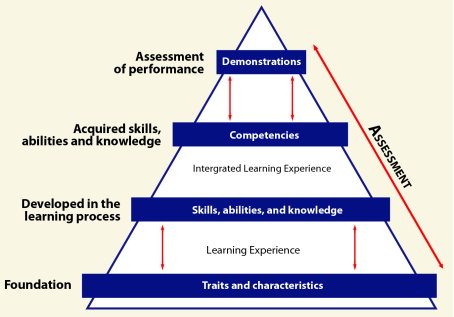
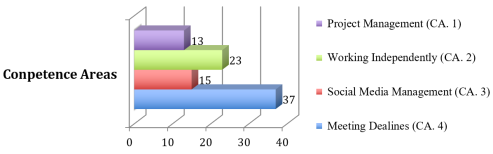
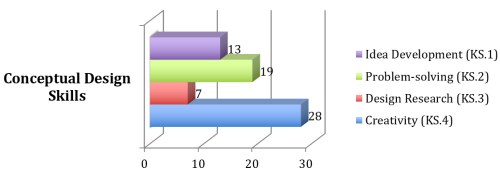
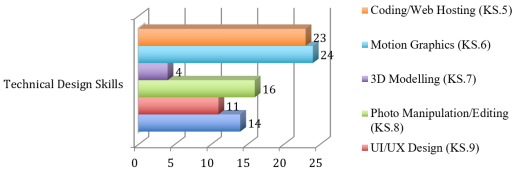
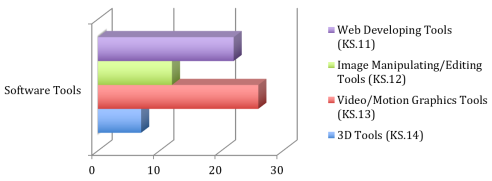
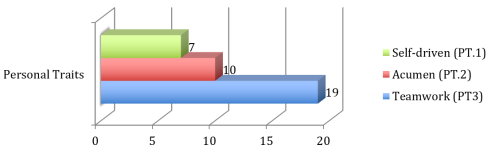




 Share This Article
 Twitter
 Linked In
 Facebook