Research Article | | Peer-Reviewed

How TMT Power Adjustments and Stability Preferences Influence Firm Performance in the Chinese Corporate Context

Received: 18 July 2026     Accepted: 24 August 2026     Published: 4 September 2026
Views:       Downloads:
Abstract

This study aims to systematically examine how Top Management Team (TMT) power structure influences firm performance within China's high-power-distance cultural context, and to critically reexamine the cultural contingency of Structural Adaptation Theory by investigating the dual effects of power centralization and the performance consequences of structural change. Drawing on institutional theory and Structural Adaptation Theory, we conduct a longitudinal analysis of Chinese A-share listed companies from 2019 to 2023. Our analysis reveals that power centralization exerts a dual effect on firm performance: it significantly enhances short-term operational efficiency, while simultaneously suppressing long-term market valuation. More importantly, we identify a pronounced stability preference effect—regardless of whether power structure adjusts toward centralization or decentralization, greater change magnitude consistently generates negative performance consequences. This finding challenges the assumption of Structural Adaptation Theory that decentralization represents a natural "entropy-increasing" process. In the Chinese context, maintaining the status quo becomes the organization's spontaneous "natural state," while any structural adjustment, irrespective of direction, becomes an "entropy-decreasing" process requiring substantial organizational energy. These effects are significantly moderated by regional culture, ownership type, and industry sector, with northern regions, state-owned enterprises, and non-high-tech industries exhibiting weaker negative effects of power structure change. This study provides a novel theoretical contribution by revealing that the directional definition of "entropy increase" versus "entropy decrease" is itself a cultural construction. It demonstrates how, within China's cultural context, the logic of Structural Adaptation Theory undergoes a critical reversal. By identifying "stability preference" as a key boundary condition, this research extends the theory's applicability and offers a more culturally inclusive analytical framework. The study also achieves cross-level theoretical integration, linking macro-level institutional factors, meso-level contextual factors, and micro-level governance mechanisms.

Published in International Journal of Economic Behavior and Organization (Volume 14, Issue 3)
DOI 10.11648/j.ijebo.20261403.12
Page(s) 79-90
Creative Commons

This is an Open Access article, distributed under the terms of the Creative Commons Attribution 4.0 International License (http://creativecommons.org/licenses/by/4.0/), which permits unrestricted use, distribution and reproduction in any medium or format, provided the original work is properly cited.

Copyright

Copyright © The Author(s), 2026. Published by Science Publishing Group

Keywords

China Context, Cultural Construction of Entropy, Institutional Theory, Stability Preference, Structural Adaptation Theory, TMT Power Structure

1. Introduction
As the apex strategic decision-making body within an enterprise, the manner in which a Top Management Team's (TMT) internal power structure influences organizational effectiveness remains a central concern in strategic leadership research. Structural Adaptation Theory (SAT) provides a crucial analytical framework for this inquiry, positing that changes in organizational structure exhibit directional asymmetry: decentralization, conceptualized as an "entropy-increasing" process, is relatively easy to achieve, whereas centralization, an "entropy-decreasing" process, requires overcoming greater inertial resistance . This theoretical presupposition is rooted in Western cultural contexts that champion individual autonomy and harbor a natural skepticism toward hierarchical authority, treating "change" as the norm and "stability" as a state to be maintained .
However, a fundamental question arises: when this theory is applied to social contexts governed by different cultural logics, do its core assumptions remain valid? In other words, is the very definition of "entropy increase" versus "entropy decrease" itself a cultural construct, rather than a universal natural law? This question directly addresses the cross-cultural applicability of SAT and constitutes the central concern of this study.
Within the fields of organization and management, the relationship between TMT power structure and firm performance has long been debated. Drawing on agency theory and the principle of unity of command, one school of thought argues that power centralization enhances decision-making efficiency and reduces politicking, thereby boosting team performance . Conversely, another perspective, informed by behavioral integration theory and information-processing views, emphasizes that power dispersion stimulates debate, facilitates information sharing, and ultimately enhances team creativity and decision quality .
The Chinese context offers a unique and fertile ground for examining these theoretical issues. As a quintessential high-power-distance culture, Chinese society exhibits a greater acceptance of hierarchy and power inequality . Within this cultural milieu, a centralized power structure is endowed with heightened institutional legitimacy . More importantly, Chinese culture is characterized by a pronounced stability preference and risk aversion, where organizational members identify strongly with the status quo and perceive the stability of the power structure as a hallmark of normal organizational functioning . This cultural logic stands in stark contrast to the presuppositions of SAT derived from Western contexts. The decentralizing evolution considered a "natural process" in the West might, in China, represent a "difficult change" requiring the overcoming of cultural inertia. Conversely, the strategy of maintaining the status quo, seen as "going with the flow" in China, could be misconstrued as "rigid conservatism" from a Western perspective. These cultural differences not only affect the static efficacy of power structures but also profoundly shape the performance outcomes of their dynamic adjustment.
Drawing on the multi-dimensional power measurement approach of Ke et al. (2021) , we construct a comprehensive power index encompassing seven dimensions, operationalizing TMT power centralization as a continuous variable to precisely capture intra-team power distribution. Building on this, we construct a measure of the magnitude of change in power centralization to systematically examine the impact of power structure adjustments on firm performance, and further investigate the moderating roles of regional culture, ownership type, and industry sector.
The theoretical contributions are threefold. First, we provide a significant contextual revision of SAT. Classical SAT assumes decentralization is a natural "entropy-increasing" process and centralization is a difficult "entropy-decreasing" one . Our findings reveal this definition itself is a cultural construct. Within China's stability-preferring culture, maintaining the status quo becomes the "natural state," while any change—whether toward centralization or decentralization—becomes an "entropy-decreasing" process demanding substantial organizational energy. This alerts scholars to avoid mistaking culturally specific generalizations for universal laws. Second, we reveal a "double-edged sword" effect: centralization has coexisting efficiency advantages and growth disadvantages. Crucially, by extending the focus to dynamic adjustments, we find that greater change magnitude is consistently associated with worse performance, regardless of direction. This "stability preference" effect challenges the "change for change's sake" logic, showing that maintaining stability can be an optimal strategy in certain cultural contexts . Third, we achieve cross-level theoretical integration by positioning high-power-distance culture as the macro-level institutional antecedent shaping micro-level governance effectiveness, combining it with meso-level industry constraints.
Practically, our findings guide firms to configure power dynamically according to the industry context, recognize the potential adaptation costs of structural changes, and carefully evaluate organizational hurdles before major transformations. For regulators, a "proportionate governance" philosophy should be advocated, issuing differentiated guidelines based on industry characteristics.
2. Theoretical Background and Hypotheses Development
2.1. TMT Power Structure and Firm Performance
Structural Adaptation Theory (SAT), on the basis of inheriting the classic contngency perspective, posit that an organization's internal structure should align with external environmental demands to achieve high performance. However, when applied to the internal power structure of TMTs, this theory reveals a profound theoretical tension: on one hand, power centralization may enhance operational efficiency by unifying command, reducing coordination costs, and accelerating decision-making; on the other hand, excessive power centralization may impair a firm's long-term development potential by suppressing information diversity, stifling innovative thinking, and exacerbating agency problems . Consequently, organizational design perpetually seeks a dynamic balance between centralization and decentralization. Centralized structures concentrate decision-making authority in leaders, whereas decentralized structures disperse autonomy . According to SAT, centralized organizations, leveraging functional specialization and cooperative reward mechanisms, excel in decision accuracy but are slower to respond, making them suitable for relatively stable environments. Conversely, decentralized organizations, employing divisional structures and competitive reward mechanisms, respond faster but with lower accuracy, rendering them more appropriate for dynamic and turbulent environments .
As the apex strategic decision-making body, a TMT's internal power structure shapes firm performance by influencing information processing capabilities . Lower power centralization allows full utilization of executives' cognitive diversity for comprehensive environmental scanning , promoting broad information acquisition and deep processing. Conversely, higher power centralization relies on established patterns for precise decision-making , ensuring decision consistency and execution. Centralized teams can conduct fine-grained information analysis to make informed decisions , while decentralization may lead to resource dispersion due to internal competitive initiatives. This trade-off between efficiency and innovation constitutes the core theoretical tension in TMT power structure research.
This theoretical tension manifests with particular complexity within China's unique institutional and cultural context. Chinese society is characterized by high power distance, where organizational members exhibit greater acceptance of hierarchical systems and power inequality . Within this cultural backdrop, a highly centralized TMT power structure is endowed with enhanced legitimacy. Subordinates tend to defer more readily to authoritative figures' decisions, facilitating smooth policy implementation and reducing friction and dissipation stemming from internal power struggles or divergent opinions. It is important to note that this study repositions power distance as an institutional-level cultural antecedent , which shapes the fundamental configuration of TMT power structures in Chinese firms—a view supported by cross-national research . This cultural perspective is integrated as a contextual boundary condition rather than a supplementary add-on; it reveals how power distance norms enable centralized decision-making, while industry contingency factors (complexity, munificence, dynamism) determine its effectiveness, thus forming a coherent contingency model .
Within China's specific institutional context, high-power-distance culture provides a legitimacy foundation for hierarchical authority . Challenging leader decisions may undermine their authority , hindering effective decision execution regardless of decision quality . Therefore, concentrating power in the hands of the chief executive (e.g., the top-ranked executive in annual reports) can effectively strengthen their authority, reduce intra-team decision friction and coordination costs, thereby enhancing overall firm operational efficiency. Concurrently, such power concentration also implies monopolization of decision rights, potentially weakening intra-team information exchange and knowledge sharing, suppressing the expression and collision of heterogeneous viewpoints, and thus potentially constraining long-term innovation development.
Based on this reasoning, we infer that within China's high-power-distance cultural context, increased power centralization will exert dual effects on firm performance. Specifically, in contexts prioritizing operational efficiency—such as survival-driven or cost-sensitive environments—the operating cost ratio (operating cost divided by operating revenue) becomes a key short-term performance indicator . A lower ratio signifies superior cost control and resource utilization efficiency. Power centralization can streamline decision hierarchies, reduce coordination friction, and accelerate execution, thereby reducing redundancy and optimizing resource allocation. However, while improving operational efficiency, increased power centralization may simultaneously inhibit long-term value creation. Overly centralized power structures can restrict the inflow of diverse information, dampen middle managers' innovation initiative, and potentially lead strategic decisions to rely excessively on a single leader's cognitive limitations. These negative effects are primarily manifested in the firm's market value and growth expectations. As a measure of firm market value, stock market value effectively reflects long-term growth potential and market evaluation. Accordingly, we propose the following competing hypotheses:
H1a: TMT power centralization has a significant positive effect on the short-term performance. That is, the more power is concentrated in the chief executive, the higher the firm's short-term performance.
H1b: TMT power centralization has a significant negative effect on firm’s long-term performance. That is, the more power is concentrated in the chief executive, the lower the firm's long-term performance.
2.2. Contextual Revision of Structural Adaptation Theory and the Stability Preference in Power Structure Change
Classical Structural Adaptation Theory (SAT) posits that organizational structures exhibit directional asymmetry in responding to environmental changes: decentralization, akin to an "entropy increase" process, is relatively facile, whereas centralization, an "entropy decrease" process, encounters greater inertial resistance . This foundational assumption is deeply embedded in Western cultural norms that privilege individualism and frame change as the default adaptive response . However, the applicability of this logic in non-Western, particularly high-power-distance, contexts demands rigorous re-evaluation.
Chinese culture, characterized by a pronounced stability preference and risk aversion, fosters distinct organizational behaviors . In this milieu, organizational members exhibit a strong identification with the status quo, viewing the stability of the power structure as integral to normal functioning—a phenomenon explained by the deep institutionalization of cultural understandings. Consequently, any attempt to alter the established power distribution, whether towards greater centralization or decentralization, encounters significant cultural-cognitive barriers and organizational inertia. Within this framework, maintaining the status quo becomes the organization's spontaneous, low-energy "natural state," aligning with ingrained cultural norms . Conversely, any structural change is perceived as a disruption requiring substantial organizational energy, often triggering maladaptation, role ambiguity, and performance fluctuations. Thus, the relationship between structure and change is fundamentally inverted: stability is the norm, and change is the costly exception.
This inversion is consistent with institutional theory, which emphasizes how culturally embedded norms and cognitive frameworks shape organizational responses to external pressures . In high-power-distance cultures like China's, deviations from hierarchical norms are interpreted as threats to organizational order, amplifying the perceived costs and resistance to change . The observed stability preference, therefore, reflects a deep-seated institutional logic that prioritizes continuity. This does not imply that Chinese firms are static, but rather that the calculus of change is fundamentally different. The benefits of any structural adjustment must outweigh the significant adaptation costs imposed by the cultural-institutional environment .
Building on this reasoning, we contend that in the Chinese context, the very act of altering the power structure incurs performance costs. Whether power centralization increases or decreases, any significant deviation from the established configuration is likely to negatively impact performance due to cultural maladaptation and the friction of organizational adjustment . In contrast, maintaining relative stability in the power structure preserves organizational routines, facilitates smooth team collaboration, and avoids the disruption of adaptation costs, thereby emerging as a strategically optimal approach . Accordingly, we propose:
H2a: The change in power centralization negatively affects firm performance. Specifically, compared with five years prior, regardless of whether power centralization increases or decreases, the magnitude of change is negatively correlated with current short-term firm performance.
H2b: The change in power centralization negatively affects firm performance. Specifically, compared with five years prior, regardless of whether power centralization increases or decreases, the magnitude of change is negatively correlated with current long-term firm performance.
2.3. Theoretical Derivation of Moderating Effects and Boundaries of the Negative Effects of Power Structure Change
Hypothesis 2a,b proposes that within China's high-power-distance, stability-preferring cultural context, the magnitude of change in power centralization is negatively correlated with firm performance—regardless of change direction, greater change magnitude leads to more severe performance losses. This core assertion reveals the "adaptation costs" inherent in power structure change itself . However, these performance losses from change are not uniform across all contexts. Based on institutional theory and Structural Adaptation Theory , the institutional logics and organizational inertia embedded in different regional cultures, ownership types, and industry characteristics exhibit significant variation . These differences profoundly influence organizational members' acceptance of power structure change, their adaptive capacity, and the friction costs generated during change processes, thereby moderating the relationship described in Hypothesis 2a,b.
Specifically, regarding regional culture, North-South cultural differences in China serve as a deep-seated informal institution that shapes organizational members' cognitive frameworks and behavioral response patterns to power structure variation . Northern culture, deeply influenced by traditional Confucian ethics and the planned economy system, exhibits higher power distance characteristics, emphasizing hierarchical order, authority obedience, and collectivism . Organizational members demonstrate stronger psychological identification with maintaining the status quo. Consequently, the emphasis on collective goals and interpersonal harmony could facilitate smoother coordination during power structure adjustments, while the ingrained respect for authority enhances the legitimacy of leadership-initiated change, reducing resistance and transition friction . Conversely, southern culture, particularly in southeast coastal regions, integrates earlier into the market economy and exhibits lower power distance, emphasizing contractual spirit, equal exchange, and individual agency . In this milieu, members display higher sensitivity to power redistribution, viewing adjustments through the lens of individual rights and interests, which amplifies perceptions of uncertainty and threat, leading to heightened vigilance, defensive behaviors, and increased internal friction . As a result, southern culture may foster adaptability to market changes, yet it simultaneously renders members more reactive to power reconfigurations affecting their relative standing and autonomy .
Regarding ownership type, China's unique institutional background determines fundamental differences between state-owned enterprises (SOEs) and non-SOEs in organizational structural rigidity and change adaptability . SOEs bear not only economic objectives but also multiple institutional missions, including maintaining social stability and implementing national strategies . Their power configuration is profoundly influenced by the "Party managing cadres" principle and administrative appointment systems . While long-term institutional embeddedness has led SOEs to form stable organizational structures and routinized operating practices , this institutional stability paradoxically provides a buffering capacity during periods of change . The presence of established institutional support systems, clearer hierarchical scripts, and access to administrative resources help SOEs absorb the shocks associated with power structure adjustments , and the stronger institutional legitimacy of leadership authority facilitates smoother implementation of change initiatives with less internal resistance . In contrast, non-SOEs' power configuration more closely follows market competition logic, with structural adjustments viewed as routine means of responding to environmental changes . However, the absence of institutional buffers and more direct exposure to market pressures render non-SOEs more vulnerable to performance disruptions during power structure changes ; without the institutional safety nets available to SOEs, non-SOEs experience the full force of adaptation costs, making their performance more sensitive to organizational turbulence .
Regarding industry type, high-tech and non-high-tech industries differ significantly in technological iteration speed, innovation pressure, and organizational flexibility requirements , and these differences profoundly influence the adaptation costs triggered by power structure change . High-tech industries are characterized by high environmental dynamism, rapid technological updates, and strong innovation dependence, requiring organizations to maintain high structural flexibility and cognitive openness to cope with continuous environmental changes . However, these very characteristics render high-tech firms particularly vulnerable to disruptions caused by power structure adjustments , because their intense reliance on tacit knowledge, team-based innovation processes, and seamless collaboration means that any disruption to existing power configurations can severely impair knowledge flows, decision-making efficiency, and innovation output . The high degree of task interdependence in high-tech settings amplifies the ripple effects of organizational turbulence, making performance more sensitive to structural changes . In contrast, non-high-tech industries, characterized by more stable technologies, clearer operational routines, and lower task interdependence, may experience milder performance consequences from power structure changes due to their more predictable operations, which provide greater organizational slack and recovery capacity during transition periods .
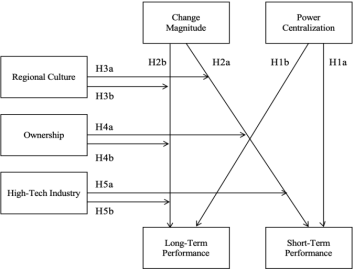
Figure 1. Conceptual diagram demonstrating the hypothesis in this study.
Based on this reasoning, we propose the following hypotheses:
H3a: Regional culture moderates the negative relationship between the magnitude of change in power centralization and short-term firm performance. Compared with southern regions, the negative impact of the magnitude of change in power centralization on short-term firm performance is weaker in northern regions.
H3b: Regional culture moderates the negative relationship between the magnitude of change in power centralization and long-term firm performance. Compared with southern regions, the negative impact of the magnitude of change in power centralization on long-term firm performance is weaker in northern regions.
H4a: Ownership type moderates the negative relationship between the magnitude of change in power centralization and short-term firm performance. Compared with non-SOEs, the negative impact of the magnitude of change in power centralization on short-term firm performance is weaker in SOEs.
H4b: Ownership type moderates the negative relationship between the magnitude of change in power centralization and long-term firm performance. Compared with non-SOEs, the negative impact of the magnitude of change in power centralization on long-term firm performance is weaker in SOEs.
H5a: Industry type moderates the negative relationship between the magnitude of change in power centralization and short-term firm performance. Compared with non-high-tech industries, the negative impact of the magnitude of change in power centralization on short-term firm performance is stronger in high-tech industries.
H5b: Industry type moderates the negative relationship between the magnitude of change in power centralization and long-term firm performance. Compared with non-high-tech industries, the negative impact of the magnitude of change in power centralization on long-term firm performance is stronger in high-tech industries.
3. Materials and Methods
The sample includes all Chinese listed companies from 2019 to 2023. According to the Company Law of China and previous research, TMT members in this study include all individuals listed in the "Executive Team" section of annual reports, such as board members, CEOs, vice general managers, financial directors, board secretaries, independent directors, and supervisory board members. The data used in this research were primarily obtained from the China Stock Market & Accounting Research (CSMAR) database, which is a widely used database in business & management studies in Chinese context. For suspicious data points, cross-validation was performed using company annual reports, executive personnel change announcements, and public disclosures of executive biographies or background information. To minimize the influence of outliers, all continuous variables were winsorized at the 1% level. To ensure the feasibility of analyzing power structure adjustments, this study requires that sample firms have at least three consecutive years of complete data during the study period to identify sustained trends in power structure change. The final sample comprises 4,590 unique firms, yielding 19,194 valid firm-year observations. All financial and governance data are obtained from the CSMAR database.
For short-term operational performance, this study uses the operating cost ratio, calculated as operating cost divided by operating revenue. For long-term market value, this study uses firm stock market value, which directly reflects a firm's long-term growth potential and market valuation. This selection stems from H1's core concern—examining the differential impact of power centralization on firm performance across short-term and long-term horizons. The firm stock market value comprehensively reflects market investors' expectations regarding the firm's future profitability and long-term value creation potential, rendering it suitable for testing the negative effects potentially triggered by excessive power centralization, such as suppressed information diversity and constrained innovation initiatives. To control for other potential influencing factors, we introduces a series of firm-level and governance-level variables: firm basic characteristics include registered capital, firm age, and leverage ratio; governance structure indicators include proportion of independent directors, CEO duality, and TMT size; strategic characteristic indicators include R&D intensity; environmental factors include industry fixed effects, regional dummy variables, and year fixed effects.
4. Results
4.1. Main Effects of Power Centralization and the Impact of Change Magnitude on Firm Performance
Table 1 presents the hierarchical regression results for the main effects. Models 1 and 3 include only control variables. Models 2 and 4 add the core independent variable Centralization to the control variables.
First, testing hypothesis H1a, which posits a negative effect of TMT power centralization on the operating cost ratio (OCR). The regression results for Model 2 show that the coefficient for Centralization is 0.008 and is significant at the 1% level (p < 0.01). This finding supports hypothesis H1a. Regarding economic significance, this coefficient, combined with the standard deviation of Centralization (0.003), indicates that when power centralization increases by one standard deviation (i.e., Centralization decreases by 0.003 units), the firm's operating cost ratio decreases by approximately 0.0024 percentage points (0.008×0.003). This result confirms the preceding theoretical analysis: within China's high-power-distance cultural context, concentrating power in the chief executive effectively enhances the firm's operational efficiency by strengthening authority and reducing decision-making friction and coordination costs. Second, testing hypothesis H1b, which posits a negative effect of TMT power centralization on firm stock market value. The regression results for Model 4 show that the coefficient for Centralization is 0.023 and is significant at the 5% level (p < 0.05). While the coefficient direction is the same as in Model 2, its implication is fundamentally different. Since firm market value is a positive indicator, a significantly positive coefficient means that a decrease in power centralization (decentralization) increases firm market value. Conversely, an increase in power centralization harms firm market value. This result fully supports hypothesis H1b.
Table 1. Regression Analysis Results Regarding H1a and H1b.

OCR

Market Value

Variables

Model1

Model2

Model3

Model4

Control Variables

Included

Included

Included

Included

Centralization

.008***(.003)

.023**(.010)

Constant

.603***(.051)

.593***(.052)

10.170*** (.216)

10.327***(.209)

Observations

19,194

19,194

19,194

19,194

Adjusted R2

30.1%

30.2%

72.0%

72.4%

F-Value

614.97***

596.79***

3298.84***

3809.84***

1 Coefficients are presented with two-tailed p-values. Standard errors are reported in parentheses. *p < 0.1; **p < 0.05; ***p < 0.01; Source: Created by Author.
Table 2 presents the test results for Hypothesis H2a,b, which focuses on the impact of power structure change itself. The regression results show that regardless of whether the operating cost ratio (Model 6) or return on invested capital (Model 8) is used as the dependent variable, the coefficient of Change_Magnitude is statistically significant. Specifically, the coefficient of Change_Magnitude is significantly positive for the operating cost ratio (0.038) and significantly negative for return on invested capital (-0.886). These findings indicate that a greater magnitude of change in power centralization leads to a higher operating cost ratio and a lower return on invested capital. Whether the power structure adjusts toward centralization or decentralization, any deviation from the status quo adversely affects firm performance. This evidence robustly supports Hypothesis H2a,b. This finding carries important theoretical implications, as it reveals a critical boundary condition for Structural Adaptation Theory within the Chinese management context. In a cultural milieu characterized by a strong preference for stability, maintaining relative stability in the power structure itself generates performance benefits, whereas any structural change triggers adaptation costs and short-term performance fluctuations. This finding revises the classical contingency theory presumption that "structure should dynamically adjust to environmental changes," underscoring the constraining role of cultural context on the feasibility of organizational change.
Table 2. Regression Analysis Results Regarding H2a and H2b.

OCR

ROIC

Variables

Model5

Model6

Model7

Model8

Control Variables

Included

Included

Included

Included

Change_Magnitude

.032**

(.016)

-.886***

(.071)

Constant

.434***

(.050)

.640***

(.060)

.149

(.212)

.827***

(.280)

Observations

14,680

14,680

14,680

14,680

Adjusted R2

24.7%

26.6%

21.9%

36.7%

F-Value

648.66***

477.99***

398.73***

559.91***

1 Coefficients are presented with two-tailed p-values. Standard errors are reported in parentheses.. *p < 0.1; **p < 0.05; ***p < 0.01; Source: Created by Author.
4.2. Tests Regarding The Moderating Roles
To examine the boundary conditions of the negative effects of power structure change, we conducted a series of moderated regression analyses incorporating regional culture, ownership type, and industry sector as contextual moderators.
Regarding short-term firm performance, the main effect of change magnitude on the operating cost ratio remained significantly positive, reconfirming that greater structural adjustments worsen short-term operational efficiency. The interaction term between change magnitude and high-tech industry was significantly positive. Given the inverse nature of the operating cost ratio, this result indicates that the negative impact of power structure change on short-term performance is notably stronger in high-tech industries than in non-high-tech industries, thereby supporting Hypothesis H5a. Conversely, the interaction term between change magnitude and state-owned enterprise (SOE) status was significantly negative, implying that the detrimental effect of structural change on short-term performance is weaker in SOEs compared to non-SOEs, consistent with Hypothesis H4a. Furthermore, the interaction term between change magnitude and northern region was significantly negative. This demonstrates that the negative impact of power structure change on short-term performance is weaker in northern regions than in southern regions, supporting Hypothesis H3a and revealing the heterogeneous buffering effect of North-South cultural differences.
We then tested similar moderating effects on long-term firm performance, using ROIC as the outcome variable. The main effect of change magnitude was significantly negative, confirming Hypothesis H2b that structural adjustments harm long-term performance. The interaction term between change magnitude and high-tech industry was significantly negative, indicating that the adverse effect of power structure change on long-term performance is much more pronounced in high-tech industries, which supports Hypothesis H5b. In contrast, the interaction term between change magnitude and SOE status was significantly positive, suggesting that the negative effect of structural change on long-term performance is considerably weaker in SOEs due to their institutional buffers, providing strong support for Hypothesis H4b. Finally, the interaction term between change magnitude and northern region was significantly positive, indicating that the negative impact of power structure change on long-term performance is weaker in northern regions. This lends support to Hypothesis H3b and implies that the collectivism and organizational cohesion characteristic of northern culture may effectively mitigate the long-term performance losses induced by power structure adjustments.
Collectively, these moderated regression findings demonstrate that the negative effects of power structure change on firm performance are significantly contingent upon contextual factors including regional culture, ownership type, and industry sector. The results provide richer empirical evidence for understanding how institutional and cultural contexts shape the consequences of power structure dynamics in China, offering concrete directions for subsequent theoretical refinement.
4.3. Robustness Checks
For H1a and H1b, we first substitute the dependent variables with Return on Assets and asset profitability for short-term performance, and with long-term capital return and the debt-to-market value ratio for long-term performance; the results remain consistent. Second, excluding independent directors and supervisory board members from the TMT improves both coefficient magnitudes and significance, confirming that core executives' constraining effect drives the findings. Third, lagged regressions using power centralization in year t‑1 to predict performance in year t show that the long-term market-value coefficient remains significant and slightly larger, while the operating-cost-ratio coefficient weakens, indicating persistent long-term impacts but more transient short-term effects; H1a and H1b thus pass endogeneity tests.
For H2a and H2b, recalculating power centralization with the core-executive scope yields robust results. Substituting dependent variables with net operating profit margin and Tobin’s Q shows that change magnitude significantly reduces net operating profit margin and increases Tobin’s Q, supporting the stability preference. Redefining change magnitude as the current-to-five-year-ago ratio and interacting it with a direction dummy reveals that both centralization and decentralization harm operating cost ratios and ROIC, with larger magnitudes amplifying the damage. For H3–H5, analogous checks—adjusted TMT scope, alternative dependent variables, and lagged independent variables—confirm robustness. Replacing level-based long-term performance measures with trend-based measures leaves results substantively unchanged, further strengthening confidence in our findings..
5. Discussion
Using a sample of Chinese A-share listed firms (2019–2023), we find that TMT power centralization has a dual effect—reducing the operating cost ratio (H1a) while lowering stock market value (H1b), revealing short-term efficiency gains alongside long-term value suppression. Dynamic adjustments exhibit a stability preference (H2a,b): any deviation from the status quo, measured by five-year change magnitude, harms both operating cost ratio and ROIC. This revises Structural Adaptation Theory: within China’s high-power-distance, stability-seeking culture, maintaining the status quo functions as a spontaneous "entropy-increasing" process, whereas structural change becomes an "entropy-decreasing" effort. The negative change–performance link is weaker in northern regions (collectivism buffers friction) vs. southern, weaker in SOEs (institutional buffers) vs. non-SOEs, but stronger in high-tech industries (disruption of collaboration and tacit knowledge) vs. non-high-tech, supporting H3–H5. Robustness checks (alternative DVs, adjusted TMT scope, lagged models) confirm reliability.
6. Conclusions
This study delineates a complex picture of the impact of TMT power structure on firm performance within the Chinese context. Power centralization functions as a "double-edged sword," enhancing short-term operational efficiency while potentially suppressing long-term market value. Superimposed upon this dual effect, maintaining the stability of the power structure itself emerges as an effective organizational strategy. More importantly, by identifying "stability preference" as a critical boundary condition for Structural Adaptation Theory, this study underscores that the construction and application of organizational theory must fully consider the cultural context in which it is embedded. Only when theoretical presuppositions align with a specific culture's underlying understanding of what constitutes "natural" versus what requires "effortful" intervention can a theory achieve genuine explanatory power. This not only provides a novel perspective for understanding the governance logic of Chinese firms but also charts a course toward developing more inclusive organizational theories on a global scale. By identifying the varying definitions of "entropy" across cultural contexts, Structural Adaptation Theory can be elevated from an empirical generalization characterized by cultural particularity to a universal analytical framework capable of accommodating multiple cultural logics..
Abbreviations

OCR

Operating Cost Ratio

ROIC

Return on Invested Capital

SOE

State Owned Enterprise

TMT

Top Management Team

Author Contributions
Dapeng Liang: Conceptualization
Hengyi Shen: Data curation, Methodology, Writing – review & editing
Funding
This work was supported by the National Natural Science Foundation of China (No. 72174043) and Shenzhen Natural Science Foundation (JCYJ20240813110406009).
Data Availability Statement
The data supporting the outcome of this research work has been reported in this manuscript.
Conflicts of Interest
The authors declare no conflicts of interest.
References
[1] Adana, S., Manuj, I., Herburger, M., et al. (2024), "Linking decentralization in decision-making to resilience outcomes: a supply chain orientation perspective", The International Journal of Logistics Management, Vol. 35 No. 1, pp. 256-280.
[2] Agarwal, R., Braguinsky, S. and Ohyama, A. (2020), "Centers of gravity: the effect of stable shared leadership in top management teams on firm growth and industry evolution", Strategic Management Journal, Vol. 41 No. 3, pp. 467-498.
[3] Altamimi, H., Liu, Q. and Jimenez, B. (2023), "Not too much, not too little: centralization, decentralization, and organizational change", Journal of Public Administration Research and Theory, Vol. 33 No. 1, pp. 170-185.
[4] Baer, M., Leenders, R. T. A. J., Oldham, G. R., et al. (2010), "Win or lose the battle for creativity: the power and perils of intergroup competition", Academy of Management Journal, Vol. 53 No. 4, pp. 827-845.
[5] Bartuseviciene, I., Rakauskiene, O. G. and Valackiene, A. (2023), "Assessing the resilience of organizations in the context of uncertainty", Measuring Business Excellence, Vol. 27 No. 2, pp. 211-226.
[6] Baum, J. R. and Wally, S. (2003), "Strategic decision speed and firm performance", Strategic Management Journal, Vol. 24 No. 11, pp. 1107-1129.
[7] Bertram, S. and Sharma, R. R. (2024), "Does it pay to be angry in intercultural negotiations: depends on the power and personality orientation of the counterpart", Cross Cultural & Strategic Management, Vol. 31 No. 4, pp. 708-724.
[8] Boone, C., Lokshin, B., Guenter, H., et al. (2019), "Top management team nationality diversity, corporate entrepreneurship, and innovation in multinational firms", Strategic Management Journal, Vol. 40 No. 2, pp. 277-302.
[9] Boustanifar, H., Zajac, E. J. and Zilja, F. (2022), "Taking chances? The effect of CEO risk propensity on firms' risky internationalization decisions", Journal of International Business Studies, Vol. 53 No. 2, pp. 302-325.
[10] Boyd, B. (1990), "Corporate linkages and organizational environment: a test of the resource dependence model", Strategic Management Journal, Vol. 11 No. 6, pp. 419-430.
[11] Brahma, S. and Economou, F. (2024), "CEO power and corporate strategies: a review of the literature", Review of Quantitative Finance and Accounting, Vol. 62 No. 3, pp. 1069-1143.
[12] Caniago, A. (2024), "Analysis of organizational structure and integrated coordination on organizational growth", Asian Journal of Management, Entrepreneurship and Social Science, Vol. 4 No. 3, pp. 1387-1400.
[13] Cao, Z. (2018), "Centralization and decentralization of power structure: a theory of ruling risks and empirical evidence from Chinese history", Chinese Journal of Sociology, Vol. 4 No. 4, pp. 506-564.
[14] Carpenter, M. A., Geletkanycz, M. A. and Sanders, W. G. (2004), "Upper echelons research revisited: antecedents, elements, and consequences of top management team composition", Journal of Management, Vol. 30 No. 6, pp. 749-778.
[15] Chirkov, V., Ryan, R. M., Kim, Y., et al. (2003), "Differentiating autonomy from individualism and independence: a self-determination theory perspective on internalization of cultural orientations and well-being", Journal of Personality and Social Psychology, Vol. 84 No. 1, pp. 97-110.
[16] Chowdhury, S. K. and Endres, M. L. (2021), "The influence of regional economy-and industry-level environmental munificence on young firm growth", Journal of Business Research, Vol. 134, pp. 29-36.
[17] Deutsch, M. (1949), "A theory of co-operation and competition", Human Relations, Vol. 2 No. 2, pp. 129-152.
[18] DiMaggio, P. J. and Powell, W. W. (1983), "The iron cage revisited: institutional isomorphism and collective rationality in organizational fields", American Sociological Review, Vol. 48 No. 2, pp. 147-160. Available at:
[19] Duan, J., Bao, C., Huang, C., et al. (2018), "Authoritarian leadership and employee silence in China", Journal of Management & Organization, Vol. 24 No. 1, pp. 62-80.
[20] Duan, M. and Dong, T. (2024), "Leadership structure and firm performance: evidence from China", Applied Economics Letters, Vol. 31 No. 4, pp. 300-306.
[21] Fainshmidt, S., Nair, A. and Mallon, M. R. (2017), "MNE performance during a crisis: an evolutionary perspective on the role of dynamic managerial capabilities and industry context", International Business Review, Vol. 26 No. 6, pp. 1088-1099.
[22] Fan, J. P. H., Wong, T. J. and Zhang, T. (2007), "Politically connected CEOs, corporate governance, and post-IPO performance of China's newly partially privatized firms", Journal of Financial Economics, Vol. 84 No. 2, pp. 330-357.
[23] Farh, J. L., Hackett, R. D. and Liang, J. (2007), "Individual-level cultural values as moderators of perceived organizational support–employee outcome relationships in China: comparing the effects of power distance and traditionality", Academy of Management Journal, Vol. 50 No. 3, pp. 715-729.
[24] Ge, Y., Kong, X., Dadilabang, G., et al. (2023), "The effect of Confucian culture on household risky asset holdings: using categorical principal component analysis", International Journal of Finance & Economics, Vol. 28 No. 1, pp. 839-857.
[25] Guo, W., Chen, X. R. and Liu, H. C. (2022), "Decision-making under uncertainty: how easterners and westerners think differently", Behavioral Sciences, Vol. 12 No. 4, p. 92.
[26] Haleblian, J. and Finkelstein, S. (1993), "Top management team size, CEO dominance, and firm performance: the moderating roles of environmental turbulence and discretion", Academy of Management Journal, Vol. 36 No. 4, pp. 844-863.
[27] Helwig, C. C. (2006), "The development of personal autonomy throughout cultures", Cognitive Development, Vol. 21 No. 4, pp. 458-473.
[28] Hendricks, B., Howell, T. and Bingham, C. (2019), "How much do top management teams matter in founder-led firms?", Strategic Management Journal, Vol. 40 No. 6, pp. 959-986.
[29] Heugens, P. P. and Lander, M. W. (2009), "Structure! Agency! (and other quarrels): a meta-analysis of institutional theories of organization", Academy of Management Journal, Vol. 52 No. 1, pp. 61-85.
[30] Hill, A. D., Recendes, T. and Yang, Y. (2023), "Precarious situations: a prelude to hiring more hubristic chief executive officers", Strategic Management Journal, Vol. 44 No. 3, pp. 812-828.
[31] Hofstede, G. (1984), Culture's consequences: international differences in work-related values, Sage, Beverly Hills, CA.
[32] Hofstede, G. (2011), "Dimensionalizing cultures: the Hofstede model in context", Online Readings in Psychology and Culture, Vol. 2 No. 1, p. 8.
[33] Hollenbeck, J. R., Ellis, A. P. J., Humphrey, S. E., et al. (2011), "Asymmetry in structural adaptation: the differential impact of centralizing versus decentralizing team decision-making structures", Organizational Behavior and Human Decision Processes, Vol. 114 No. 1, pp. 64-74.
[34] Huang, K. G., Jing, R., Xia, J., et al. (2024), "Coevolution of SOEs and the Chinese economy: the roles of SOE heterogeneity from the institutional, strategic, and organizational perspectives", Management and Organization Review, Vol. 20 No. 5, pp. 704-715.
[35] Johnson, M. D., Hollenbeck, J. R., Humphrey, S. E., et al. (2006), "Cutthroat cooperation: asymmetrical adaptation to changes in team reward structures", Academy of Management Journal, Vol. 49 No. 1, pp. 103-119.
[36] Johnson, M. D., Hollenbeck, J. R., DeRue, D. S., et al. (2013), "Functional versus dysfunctional team change: problem diagnosis and structural feedback for self-managed teams", Organizational Behavior and Human Decision Processes, Vol. 122 No. 1, pp. 1-11.
[37] Jones, L. and Zou, Y. (2017), "Rethinking the role of state-owned enterprises in China's rise", New Political Economy, Vol. 22 No. 6, pp. 743-760.
[38] Ke, B., Mao, X., Wang, B., et al. (2021), "Top management team power in China: measurement and validation", Management Science, Vol. 67 No. 10, pp. 6602-6627.
[39] Kirkman, B. L., Chen, G., Farh, J. L., et al. (2009), "Individual power distance orientation and follower reactions to transformational leaders: a cross-level, cross-cultural examination", Academy of Management Journal, Vol. 52 No. 4, pp. 744-764.
[40] Krause, R., Filatotchev, I. and Bruton, G. D. (2016), "When in Rome, look like Caesar? Investigating the link between demand-side cultural power distance and CEO power", Academy of Management Journal, Vol. 59 No. 4, pp. 1361-1384.
[41] Krishnan, R., Cook, K. S., Kozhikode, R. K., et al. (2021), "An interaction ritual theory of social resource exchange: evidence from a Silicon Valley accelerator", Administrative Science Quarterly, Vol. 66 No. 3, pp. 659-710.
[42] Lawless, M. W. and Finch, L. K. (1989), "Choice and determinism: a test of Hrebiniak and Joyce's framework on strategy-environment fit", Strategic Management Journal, Vol. 10 No. 4, pp. 351-365.
[43] Lawrence, P. R. and Lorsch, J. W. (1967), "Differentiation and integration in complex organizations", Administrative Science Quarterly, Vol. 12 No. 1, pp. 1-47.
[44] Lee, J. Y., Choi, B. C., Ghauri, P. N., et al. (2021), "Knowledge centralization and international R&D team performance: unpacking the moderating roles of team-specific characteristics", Journal of Business Research, Vol. 128, pp. 627-640.
[45] Levin, I. P., Huneke, M. E. and Jasper, J. D. (2000), "Information processing at successive stages of decision making: need for cognition and inclusion–exclusion effects", Organizational Behavior and Human Decision Processes, Vol. 82 No. 2, pp. 171-193.
[46] Li, H., Chang, Y., Wang, X., et al. (2024), "Institutional complexity and corporate environmental investments: evidence from China's mixed-ownership reform of state-owned enterprises", Management and Organization Review, Vol. 20 No. 5, pp. 716-747.
[47] Li, J. and Harrison, J. R. (2008), "National culture and the composition and leadership structure of boards of directors", Corporate Governance: An International Review, Vol. 16 No. 5, pp. 375-385.
[48] Li, J., Chen, X., Wang, C., et al. (2025), "Centralization or decentralization? The effect of managerial ability on supply chain concentration", Annals of Operations Research, pp. 1-22.
[49] Li, Y., Wang, X., Gong, T., et al. (2023), "Breaking out of the pandemic: how can firms match internal competence with external resources to shape operational resilience?", Journal of Operations Management, Vol. 69 No. 3, pp. 384-403.
[50] Liang, D., Shen, H., Sun, J., et al. (2025), "The impact of top management team power centralization on firm performance under varying industry conditions: evidence from Chinese listed firms", Cross Cultural & Strategic Management, Vol. 32 No. 4, pp. 691-720.
[51] Liu, Y., Chen, S., Bell, C., et al. (2020), "How do power and status differ in predicting unethical decisions? A cross-national comparison of China and Canada", Journal of Business Ethics, Vol. 167 No. 4, pp. 745-760.
[52] Luo, S. and Tong, D. Y. K. (2024), "Centralization or decentralization? Power allocation in team innovation management", PLoS ONE, Vol. 19 No. 10, e0310719.
[53] Ma, P., Li, C., & Ni, Z. (2025), "The Confucian constraint: does conservative culture inhibit strategic aggressiveness? Evidence from China", Cross Cultural & Strategic Management, Vol. 32 No. 4, pp. 721-744.
[54] Malhotra, S. and Harrison, J. S. (2022), "A blessing and a curse: how chief executive officer cognitive complexity influences firm performance under varying industry conditions", Strategic Management Journal, Vol. 43 No. 13, pp. 2809-2828.
[55] Mehra, A., Smith, B. R., Dixon, A. L., et al. (2006), "Distributed leadership in teams: the network of leadership perceptions and team performance", The Leadership Quarterly, Vol. 17 No. 3, pp. 232-245.
[56] Meyer, J. W. and Rowan, B. (1977), "Institutionalized organizations: formal structure as myth and ceremony", American Journal of Sociology, Vol. 83 No. 2, pp. 340-363.
[57] Miles, R. E., Snow, C. C., Meyer, A. D., et al. (1978), "Organizational strategy, structure, and process", Academy of Management Review, Vol. 3 No. 3, pp. 546-562.
[58] Moon, H., Hollenbeck, J. R., Humphrey, S. E., et al. (2004), "Asymmetric adaptability: dynamic team structures as one-way streets", Academy of Management Journal, Vol. 47 No. 5, pp. 681-695.
[59] Nadkarni, S. and Narayanan, V. K. (2007), "Strategic schemas, strategic flexibility, and firm performance: the moderating role of industry clockspeed", Strategic Management Journal, Vol. 28 No. 3, pp. 243-270.
[60] Oliver, C. (1991), "Strategic responses to institutional processes", Academy of Management Review, Vol. 16 No. 1, pp. 145-179.
[61] Oliver, C. (1997), "Sustainable competitive advantage: combining institutional and resource-based views", Strategic Management Journal, Vol. 18 No. 9, pp. 697-713.
[62] Ozgen, S., Mooney, A. and Zhou, Y. (2025), "CEO power: a review, critique, and future research directions", Journal of Management, Vol. 51 No. 1, pp. 132-171.
[63] Peng, T., Christensen, T., Yihong, L., et al. (2024), "Power structure, issue priorities and attention dynamics of leaders from 2001 to 2017 in China", Public Organization Review, Vol. 24 No. 1, pp. 351-368.
[64] Pennycook, A. (2014). Cultural alternatives and autonomy. In Autonomy and independence in language learning (pp. 35-53). Routledge.
[65] Sahaym, A., Cho, S. Y., Kim, S. K., et al. (2016), "Mixed blessings: how top management team heterogeneity and governance structure influence the use of corporate venture capital by post-IPO firms", Journal of Business Research, Vol. 69 No. 3, pp. 1208-1218.
[66] Tan, J. and Peng, M. W. (2003), "Organizational slack and firm performance during economic transitions: two studies from an emerging economy", Strategic Management Journal, Vol. 24 No. 13, pp. 1249-1263.
[67] Tang, J. (2020), "Hamstrung CEOs: the perils and boundary conditions", Long Range Planning, Vol. 53 No. 3, p. 101924.
[68] Wang, D., Cui, L., Vu, T., et al. (2022), "Political capital and MNE responses to institutional voids: the case of Chinese state-owned enterprises in Africa", Organization Studies, Vol. 43 No. 1, pp. 105-126.
[69] Wang, L., Gao, Q. and Wu, C. (2022), "The effect of succession on corporate governance reform under the Chinese clan culture context", Cross Cultural & Strategic Management, Vol. 29 No. 4, pp. 761-797.
[70] Watson, M. K., Winchester, C. C., Luciano, M. M., et al. (2025), "Categorizing the complexity: a scoping review of structures within organizations", Journal of Management, Vol. 51 No. 1, pp. 309-343.
[71] Wong, E. M., Ormiston, M. E. and Tetlock, P. E. (2011), "The effects of top management team integrative complexity and decentralized decision making on corporate social performance", Academy of Management Journal, Vol. 54 No. 6, pp. 1207-1228.
[72] Yang, R., Ramsaran, R. and Wibowo, S. (2022), "The effects of risk aversion and uncertainty avoidance on information search and brand preference: evidence from the Chinese dairy market", Journal of Food Products Marketing, Vol. 28 No. 6, pp. 257-275.
[73] Zhang, Y., Waldman, D. A., Han, Y. L., et al. (2015), "Paradoxical leader behaviors in people management: antecedents and consequences", Academy of Management Journal, Vol. 58 No. 2, pp. 538-566.
[74] Zhou, D. (2022), "Risk preference and religious beliefs: a case in China", Religions, Vol. 13 No. 11, p. 1072.
[75] Zucker, L. G. (1977), "The role of institutionalization in cultural persistence", American Sociological Review, Vol. 42 No. 5, pp. 726-743.
Cite This Article
  • APA Style

    Liang, D., Shen, H. (2026). How TMT Power Adjustments and Stability Preferences Influence Firm Performance in the Chinese Corporate Context. International Journal of Economic Behavior and Organization, 14(3), 79-90. https://doi.org/10.11648/j.ijebo.20261403.12

    Copy | Download

    ACS Style

    Liang, D.; Shen, H. How TMT Power Adjustments and Stability Preferences Influence Firm Performance in the Chinese Corporate Context. Int. J. Econ. Behav. Organ. 2026, 14(3), 79-90. doi: 10.11648/j.ijebo.20261403.12

    Copy | Download

    AMA Style

    Liang D, Shen H. How TMT Power Adjustments and Stability Preferences Influence Firm Performance in the Chinese Corporate Context. Int J Econ Behav Organ. 2026;14(3):79-90. doi: 10.11648/j.ijebo.20261403.12

    Copy | Download

  • @article{10.11648/j.ijebo.20261403.12,
      author = {Dapeng Liang and Hengyi Shen},
      title = {How TMT Power Adjustments and Stability Preferences Influence Firm Performance in the Chinese Corporate Context},
      journal = {International Journal of Economic Behavior and Organization},
      volume = {14},
      number = {3},
      pages = {79-90},
      doi = {10.11648/j.ijebo.20261403.12},
      url = {https://doi.org/10.11648/j.ijebo.20261403.12},
      eprint = {https://article.sciencepublishinggroup.com/pdf/10.11648.j.ijebo.20261403.12},
      abstract = {This study aims to systematically examine how Top Management Team (TMT) power structure influences firm performance within China's high-power-distance cultural context, and to critically reexamine the cultural contingency of Structural Adaptation Theory by investigating the dual effects of power centralization and the performance consequences of structural change. Drawing on institutional theory and Structural Adaptation Theory, we conduct a longitudinal analysis of Chinese A-share listed companies from 2019 to 2023. Our analysis reveals that power centralization exerts a dual effect on firm performance: it significantly enhances short-term operational efficiency, while simultaneously suppressing long-term market valuation. More importantly, we identify a pronounced stability preference effect—regardless of whether power structure adjusts toward centralization or decentralization, greater change magnitude consistently generates negative performance consequences. This finding challenges the assumption of Structural Adaptation Theory that decentralization represents a natural "entropy-increasing" process. In the Chinese context, maintaining the status quo becomes the organization's spontaneous "natural state," while any structural adjustment, irrespective of direction, becomes an "entropy-decreasing" process requiring substantial organizational energy. These effects are significantly moderated by regional culture, ownership type, and industry sector, with northern regions, state-owned enterprises, and non-high-tech industries exhibiting weaker negative effects of power structure change. This study provides a novel theoretical contribution by revealing that the directional definition of "entropy increase" versus "entropy decrease" is itself a cultural construction. It demonstrates how, within China's cultural context, the logic of Structural Adaptation Theory undergoes a critical reversal. By identifying "stability preference" as a key boundary condition, this research extends the theory's applicability and offers a more culturally inclusive analytical framework. The study also achieves cross-level theoretical integration, linking macro-level institutional factors, meso-level contextual factors, and micro-level governance mechanisms.},
     year = {2026}
    }
    

    Copy | Download

  • TY  - JOUR
    T1  - How TMT Power Adjustments and Stability Preferences Influence Firm Performance in the Chinese Corporate Context
    AU  - Dapeng Liang
    AU  - Hengyi Shen
    Y1  - 2026/09/04
    PY  - 2026
    N1  - https://doi.org/10.11648/j.ijebo.20261403.12
    DO  - 10.11648/j.ijebo.20261403.12
    T2  - International Journal of Economic Behavior and Organization
    JF  - International Journal of Economic Behavior and Organization
    JO  - International Journal of Economic Behavior and Organization
    SP  - 79
    EP  - 90
    PB  - Science Publishing Group
    SN  - 2328-7616
    UR  - https://doi.org/10.11648/j.ijebo.20261403.12
    AB  - This study aims to systematically examine how Top Management Team (TMT) power structure influences firm performance within China's high-power-distance cultural context, and to critically reexamine the cultural contingency of Structural Adaptation Theory by investigating the dual effects of power centralization and the performance consequences of structural change. Drawing on institutional theory and Structural Adaptation Theory, we conduct a longitudinal analysis of Chinese A-share listed companies from 2019 to 2023. Our analysis reveals that power centralization exerts a dual effect on firm performance: it significantly enhances short-term operational efficiency, while simultaneously suppressing long-term market valuation. More importantly, we identify a pronounced stability preference effect—regardless of whether power structure adjusts toward centralization or decentralization, greater change magnitude consistently generates negative performance consequences. This finding challenges the assumption of Structural Adaptation Theory that decentralization represents a natural "entropy-increasing" process. In the Chinese context, maintaining the status quo becomes the organization's spontaneous "natural state," while any structural adjustment, irrespective of direction, becomes an "entropy-decreasing" process requiring substantial organizational energy. These effects are significantly moderated by regional culture, ownership type, and industry sector, with northern regions, state-owned enterprises, and non-high-tech industries exhibiting weaker negative effects of power structure change. This study provides a novel theoretical contribution by revealing that the directional definition of "entropy increase" versus "entropy decrease" is itself a cultural construction. It demonstrates how, within China's cultural context, the logic of Structural Adaptation Theory undergoes a critical reversal. By identifying "stability preference" as a key boundary condition, this research extends the theory's applicability and offers a more culturally inclusive analytical framework. The study also achieves cross-level theoretical integration, linking macro-level institutional factors, meso-level contextual factors, and micro-level governance mechanisms.
    VL  - 14
    IS  - 3
    ER  - 

    Copy | Download

Author Information