Research Article | | Peer-Reviewed

Nigam's Acute Cholecystitis Scoring System (NACSS): Can It Successfully Decide the Ideal Treatment Also in Addition to Assessing Severity

Received: 24 April 2026     Accepted: 6 May 2026     Published: 19 May 2026
Views:       Downloads:
Abstract

Acute abdomen is a common surgical problem globally and one of the most common emergency condition emergency department receives. Acute cholecystitis is one of the common reasons of acute abdomen for which a patient attends the hospital. Acute cholecystitis is usually caused by gallbladder stones and may lead to serious complications sometimes. Therefore, it should be diagnosed accurately and at earliest. Nigam’s acute cholecystitis scoring system (NACSS) diagnoses the acute cholecystitis at earliest and correctly without needing specialized imaging investigations like CT scan, MRI and HIBA scan. NACSS is a simple procedure with good accuracy. NACSS depends upon simple factors like demographics, history, physical examination, simple laboratory tests and ultrasonography. In this study of 130 cases, NACSS prediction remained high in accuracy in grading (4 grades) the severity of inflammation and preoperative prediction for open surgery. NACSS depends upon points earned by various grades from 5-17. NACSS divides acute cholecystitis cases into 4 grades according to the severity of inflammation, grade I – mild acute cholecystitis, grade II – moderate acute cholecystitis, grade III – severe acute cholecystitis and grade IV – acute cholecystitis with complications like gangrene or perforation of gallbladder. This preoperative scoring system for acute cholecystitis (NACSS) diagnoses quite correctly the degree of inflammation and also advises the surgeon what type of treatment is required, conservative, laparoscopic cholecystectomy and open cholecystectomy.

Published in International Journal of Gastroenterology (Volume 10, Issue 1)
DOI 10.11648/j.ijg.20261001.18
Page(s) 43-50
Creative Commons

This is an Open Access article, distributed under the terms of the Creative Commons Attribution 4.0 International License (http://creativecommons.org/licenses/by/4.0/), which permits unrestricted use, distribution and reproduction in any medium or format, provided the original work is properly cited.

Copyright

Copyright © The Author(s), 2026. Published by Science Publishing Group

Keywords

Acute Cholecystitis, Cholecystectomy, Complications, Inflammation, NACSS, Pain in Abdomen, Scoring System

1. Introduction
1.1. Acute Cholecystitis
Abdominal pain is one of the most common symptoms of various diseases at any age. Some abdominal pains are due to significant and serious diseases while others are due to simple indigestion problems. Acute cholecystitis is one of the common reasons of acute abdominal pain. Acute cholecystitis is an important condition and must not be neglected as it may lead to some serious complications if not treated properly. It is usually caused by gallbladder stones. It can also occur even without stones, called as acalculous cholecystitis. It is also seen that acalculous cholecystitis, which occurs without gallstones, more commonly affects critically ill patients or those depend on total parenteral nutrition (TPN) over extended periods. Approximately 95% of individuals diagnosed with acute cholecystitis have gallstones. This should be of no surprise as greater than 20 million individuals in the United States have gallstone disease, with an annual incidence of acute cholecystitis affecting approximately 2,00,000 people. .
1.2. Etiology of Acute Cholecystitis
It is observed that fatty diet intake in a fatty woman of forty years with multiple pregnancies has high risk of gall stones. It has been observed that typical westernized diet (hypercaloric, with high refined sugars, low content of fiber, high lipid) increases the likelihood of gallstone disease. Genetic factors are also responsible for certain gallstones. Genetic factors are certainly of major importance in the risk of cholesterol stones, and a series of genes have been identified, which are able to promote gallstone formation and growth. Whenever a gallstone obstructs the exit of gallbladder the gallbladder walls contract to remove the obstruction causing pain and other symptoms along with inflammation. It also leads to distension of gallbladder with oedema of its walls. Gallstones usually remain asymptomatic.
1.3. Clinical Features and Management
Acute cholecystitis usually has pain or discomfort in right hypochondrium, nausea, vomiting, anorexia, and fever. Such a patient must undergo an abdominal ultrasound to confirm acute cholecystitis with gallstones. The management of acute cholecystitis is bed rest, analgesics, antibiotics, nil orally, intravenous fluids and cholecystectomy. Cholecystectomy is the ideal treatment of cholecystitis. Laparoscopic cholecystectomy is an accepted method of cholecystectomy now. Since the early 1990s this procedure has largely supplanted the open approach for routine cholecystectomies due to its safety profile and faster recovery times. .
Early surgical treatment is required to give good results in acute cholecystitis. Evidence consistently demonstrates that early surgical management reduces postoperative morbidity and mortality compared to delayed intervention in hospitalized patients. .
Out of 130 patients 107 (82.3%) patients scored 5 to 12 points and were labelled as easy laparoscopic cholecystectomy cases. Twenty three (17.7%) patients scored 13-17 points and were labelled as difficult laparoscopic cholecystectomy cases.
Carl Johann August Langenbuch (1846-1901) conducted first cholecystectomy on July 15, 1882. .
Open cholecystectomy is gradually fading out and laparoscopic cholecystectomy is catching fast. From 0% in 1987 to 80% in 1992, the proportion of cholecystectomies done laparoscopically has increased. Regardless, in 2006, Tokyo guidelines recommended LC (Laparoscopic cholecystectomy) as the first line of treatment for AC (Acute cholecystitis). AC has been classified into three grades, namely, mild, moderate and severe, depending on the degree of inflammation of gallbladder. Various guidelines have been suggested to assess the severity of the inflammation in acute cholecystitis. The three most commonly used are The Parkland Grading Scale for Cholecystitis (PGS), The Tokyo Guidelines 2018 for Acute Cholecystitis and The American Association for the Surgery of Trauma-Emergency General Surgery (AAST EGS) score for acute cholecystitis. .
We have developed a new method of grading of acute cholecystitis according to the severity of inflammation called, “Nigam’s Acute Cholecystitis Scoring System (NACSS)” which is based on demographics, history, physical examination, laboratory tests and imaging (USG - Ultrasonography). NACSS is developed to detect and accurately diagnose at the earliest the cases of acute cholecystitis and treat without any delay avoiding complications. The severity of the inflammation in the gallbladder in acute cholecystitis is estimated by four grades in NACSS as Grade I (mild cholecystitis), Grade II (moderate cholecystitis), Grade III (severe cholecystitis), and Grade IV (acute cholecystitis with complications like gangrene and perforation of the gallbladder). NACSS helps the treating surgeon by giving information about the severity of inflammation and also the line of ideal treatment to be selected i.e. conservative treatment, laparoscopic or open cholecystectomy.
1.4. Scoring Systems Including NACSS
Scoring system for acute cholecystitis estimate the severity of the inflammation in gallbladder. These scoring systems also guide about the difficulties during surgery and the ideal treatment e.g. conservative treatment, open cholecystectomy or laparoscopic cholecystectomy. By predicting ‘difficult gallbladder’ and operative difficulty during of surgery, urgent or delayed cholecystectomy also indicated. The need of urgent drainage procedure like PTGBD (Percutaneous transhepatic gallbladder drainage) and delayed laparoscopic cholecystectomy can also be advised by assessing the grade of scoring system. Surgeon can select the safest and most suitable management strategy i.e. early or late laparoscopic cholecystectomy or even conservative treatment. Patients with low scoring by NACSS are advised early laparoscopic cholecystectomy. High risk cases with high score can be treated initially for ‘cooling off’ with IV antibiotics and other conservative methods like intravenous fluids, nil orally and bed rest. The outcome of surgical management of acute cholecystitis depends upon patient and surgeon dependent factors. Laparoscopic cholecystectomy has become the preferred method and has been accepted as the gold standard for definitive management of symptomatic cholelithiasis or gallstones.
Scoring systems for acute cholecystitis help surgeons to do cholecystectomy successfully. If the surgeons could predict the risk factors and safety of the procedure, surgeons could have benefit in deciding the surgical approach counselling the patients, reducing the risk of complication, reducing the rate of conversion to open cholecystectomy, and reducing overall medical cost. .
2. Material and Methods
2.1. Patient Selection
Total number of cases included in this study are 130, who attended OPD (Outpatient department) and emergency department, of Max Hospital, Gurgaon, Haryana, India between Jan 2015 and Dec 2025. All these cases were of acute abdominal pain and were tentatively diagnosed as acute cholecystitis. All these cases underwent a thorough demographic observation, history taking, physical examination, basic hematological tests including CRP (C-Reactive Protein) and ultrasound of abdomen. MRI (Magnetic resonance imaging) and CT scan (Computerized tomography) of abdomen were not performed for every patient. The study included only cases of acute cholecystitis. Cases of chronic cholecystitis with cholelithiasis for planned surgery were excluded. Cases of cholangitis, and pregnancy were also excluded.
2.2. NACSS
All cases were analysed by NACSS and were divided into four grades according to the points earned as mentioned below.
Grade I (5-9 points) mild acute cholecystitis
Grade II (10-12 points) moderate acute cholecystitis
Grade III (13-15 points) severe acute cholecystitis
Grade IV (16-17 points) acute cholecystitis with complications like gangrene or perforation
3. Results
This study of NACSS includes 130 patients, 30 males and 100 females. The age of patients varied from 20 years to 60 years and maximum number of patients belonged to the group between 41 years to 50 years. BMI (Body Mass Index) of patients ranged from 18.5 to 35. No patient was morbidly obese.
Table 1. Demographic Distribution of cases.

Age (Years) / Sex (Male or Female) / BMI

Number of cases

Percentage (%) of cases

20 – 30

6

4.6%

31 – 40

9

6.9%

41 – 50

66

50.8%

51 – 60

49

37.7%

Male

30

23.1%

Female

100

76.9%

BMI – 18.5 to 24.9

25

19.2%

BMI – 25 to 29.9

55

42.3%

BMI – 30 to 34

50

38.5%

n=130
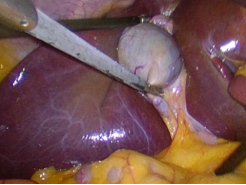
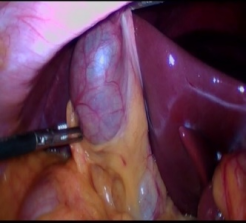
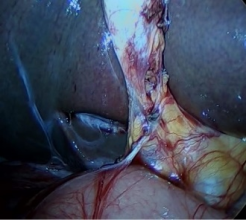
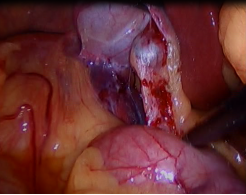
Out of total 130 patients 25 patients scored points between 5 to 9 and were placed in grade I. Maximum number of patients earned points between 10 and 12 and were placed in grade II. Eleven patients gained points between 13 and 15 and they represented grade III. Twelve patients scored 16 or 17 points, having acute cholecystitis with complications, represented grade IV.
Table 2. Distribution of cases according to NACSS.

Score (Total 17 points)

Grade I (5-9)

Grade II (10-12)

Grade III (13-15)

Grade IV (16-17)

Number of cases

25

82

11

12

Percentage of cases

19.2%

63.1%

8.5%

9.2%

n=130
Figure 1. Grade I NACSS.
Figure 2. Grade II NACSS.
Figure 3. Grade III NACSS.
Figure 4. Grade IV NACSS.
Figures 1-4. Various grades of NACSS.
Table 3. Distribution of cases according to the type of surgery.

Type of Surgery

Number of cases

Percentage of cases

Laparoscopic cholecystectomy

122

93.8%

Open Surgery

8

6.2%

n=130
Table 4. Distribution of cases according to NACSS preoperative prediction accuracy for type of surgery.

NACSS Prediction

Number of cases

Percentage of cases

May require open cholecystectomy

8

100%

Actual done

8

100%

n=130
4. Discussion
Acute cholecystitis is an important surgical entity and it should be diagnosed early to provide urgent treatment. Pain in right hypochondrium, tenderness in right hypochondrium and Murphy’s sign were given special importance in physical examination. The Murphy’s sign is an important constituent of NACSS and it is also even more important, how it is performed. John B Murphy (1857-1916) described this sign in 1903 as the inability of the patient to take a full, deep inspiration, when the physician’s fingers are hooked up deep beneath the right costal arch below the hepatic margin. The diaphragm forces the liver down until the sensitive gall bladder reaches the examining fingers, when the inspiration suddenly cases as though it had been shut off. Murphy used to say, “I have never found, this sign absent in calculous or infection case of gall-bladder, or duct disease” .
Scoring systems for acute cholecystitis indicate severity of the disease. It is important to predict difficult laparoscopic cholecystectomy preoperatively so that the operating surgeon is prepared for any expected complication. NACSS like other scoring systems i.e. Tokyo Guidelines for Acute Cholecystitis 2018 (TG18 – Tokyo guidelines 2018), Parkland Grading Scale (PGS), and AAST Emergency Surgery, also guide about the treatment required. Grade I (Mild) of NACSS suggests early laparoscopic cholecystectomy, Grade II (Moderate) suggests early laparoscopic cholecystectomy in presence of an experienced senior surgeon. Sometimes the moderate inflammation of gallbladder makes the surgery difficult even in open procedure so an experienced surgeon is required to perform laparoscopic cholecystectomy. In some difficult cases PTGBD (Percutaneous Transhepatic Gallbladder drainage) is required with delayed laparoscopic cholecystectomy. Grade III (Severe) requires to first stabilize the sick patient and a late laparoscopic cholecystectomy is required with urgent PTGBD. Grade III (acute cholecystitis with complication like perforation or gangrene). Urgent laparoscopic cholecystectomy by an experienced surgeon. If Calot’s triangle is frozen with adhesions or there is uncontrolled bleeding quickly convert to open cholecystectomy and therefore when doing laparoscopic cholecystectomy for NACSS grade IV equipments and instruments for open cholecystectomy should be ready to save time and the assessment and nursing staff should be experienced with open cholecystectomy. Surgeon should also be prepared to do bailout procedure (subtotal cholecystectomy) if total removal of gallbladder is risky. Percutaneous ultrasound guided drainage of gallbladder also considered with interval laparoscopic cholecystectomy is critically ill patients.
The guidelines for treatment by NACSS are quite important and helpful for young surgeons who have limited experience of doing laparoscopic and open cholecystectomy. This will help them in reducing the risk of complications and improving the success rate.
High risk and frail patients with high Charlson Comorbidity Index (CCI) and American Society of Anesthesiologists (ASA) require conservative management or drainage. In cases where organ dysfunction like cardiovascular or renal problems are associated, first organ supportive treatment is required and then PTGBD. It is always advised that if surgery is difficult due to severe local inflammation PTGBD should be performed leaving laparoscopic cholecystectomy for later on period.
In Grade III of Tokyo guideline 2013 (TG13) LC was indicated after performing gallbladder drainage but in the updated Tokyo Guidelines 2018 (TG18), which are based on various reports published since TG13 including large-scale Japanese / Tiawanese joint study , this has been revised to “laparoscopic cholecystectomy may also be performed as a straight forward procedure under certain conditions of Grade III cases”. .
The surgical difficulty of AC varies greatly depending on the severity of inflammation and fibrosis. The risk of BDI (Bile duct injury) has been shown to increase in accordance with the severity of AC. NACSS plays a significant role by accurately advising about the grade of severity in most of the cases. NACSS helps surgeons to predict possible difficulty during surgery and select the ideal treatment. A good indicator of the severity of gallbladder inflammation should reflect in surgical difficulty level in a timely and objective manner. This might assist surgeons in making the decision to either convert to an open operation sooner or call for more experience surgeons, as required. .
Accurate and early diagnosis of acute cholecystitis with early surgical intervention reduces the morbidity and sometimes even mortality. Earlier there were not much optimistic result-oriented scoring systems to score severity of inflammation and advise ideal and successful treatment with least BDI and vascular injuries in severely ill patient of acute cholecystitis where organ dysfunction may be present.
Marshall’s multiple organ dysfunction (MOD) score, sequential organ failure assessment (SOFA) score and Charlson Comorbidity Index (CCI) are considered to evaluate the status. Identifying high-risk patients early will enable the surgeon to better counsel these patients regarding possible interventions. CCI is used as a predictor of difficult cholecystectomy. We, through NACSS assess that if the score is 15 or more we must be prepared with arrangements preoperatively for other procedures also. A CCI score >6 in severe acute cholecystitis indicates a high risk of complications after surgery and therefore gallbladder drainage procedure should be considered as an alternative therapeutic option. Marshall Multiple Organ Dysfunction Score (MOD) is used to define Grade III (severe) acute cholecystitis stressing on dysfunctions in cardiovascular, neurological, respiration, renal, hepatic or hematological system but now the modified Marshall Score deals only with dysfunction of cardiovascular, renal and respiratory systems. .
Sepsis is now clinically determined by the Sequential Organ Failure Assessment (SOFA) Score. Biliary tract infections are a common cause of sepsis and are associated with high morbidity and mortality. .
Accuracy of Various Preoperative Scoring Systems for Acute Cholecystitis:
1. Tokyo Guidelines 2018 (TG18 / TG13) – widely used with high accuracy, >90% for diagnosis. Revised TG18 is the standard guidelines for severity and management
2. AAST – Improved the patient distribution – High accuracy for predicting technical difficulty, conversion to open surgery and outcome. Superior to other scoring systems in grading anatomical complexity. (97.5%)
3. Parkland Grading Scale (PGS)
4. NACSS - useful in small hospitals that may not have immediate access to CT or MRI, relying instead on ultrasound and clinical findings. Considering operative difficulty, it advices ideal treatment and conversion to open cholecystectomy from laparoscopic cholecystectomy
In recent years or during last decade surgeons are getting involved and concerned about prediction of difficulty in performing laparoscopic cholecystectomy and planning the treatment well before the surgery, which helps in guiding the management of acute cholecystitis aiming to reduce operative complications. The PGS is concise and efficient scale used for the real time evaluation of the degree of gallbladder inflammation. The PGS lags behind Tokyo Guidelines 2018 mainly because it is intraoperative scale while surgeons prefer to follow a preoperative assessment scale so as to prepare for a strategy in advance to handle the situation. As we have observed with NACSS that if we know or expect problems like difficult gallbladder then we are prepared to do proper treatment like conversion to open cholecystectomy without wasting time during surgery.
Preoperative and intraoperative scoring system for acute cholecystitis serve different purposes. Preoperative scores are better for operative planning and patient counselling whereas intraoperative scoring system are better for showing actual operative difficulties and predicting conversion from laparoscopic to open procedure. Many studies have shown preoperative scores are highly effective in predicting difficulties in laparoscopic cholecystectomies before surgery. Although LC is one of the most widely practiced surgical procedures, it is still associated with some morbidity and even mortality. .
American Association for the Surgery of Trauma (AAST) grading scale for acute cholecystitis indicates a high rate of conversion to open cholecystectomy when higher grades like grade III and IV are revealed. The revised AAST though has improvements but still lagging behind other scoring systems. Persistent downside remain mostly related to the fact that the AAST grade is primarily an anatomical grading scale. Other important scoring systems like TG18 and NACSS are based on clinical factors. NACSS is based on demographics, history, physical examination, laboratory tests and imaging (USG). .
Laparoscopic cholecystectomy was not recommended for acute cholecystitis; acute cholecystitis (AC) was listed as a contraindication to laparoscopic cholecystectomy (LC). Presence of acute inflammation, difficulty in dissection, and higher chances of complications were initial apprehensions. With increasing experience, it is now well established that LC is safe. .
Most of the patients of acute cholecystitis in most of the studies fall in moderate severity of inflammation group. These patients are suitable for Laparoscopic Cholecystectomy at the time of presentation. In moderate acute cholecystitis, the degree of acute inflammation is likely to be associated with increased operative difficulty to perform a cholecystectomy. .
NACSS not only predicts the severity of inflammation and difficulties to be faced by surgeon, it also accurately guides for the ideal treatment mode to be selected:
1. NACSS predicts and guide about the time of cholecystectomy, urgent, elective or interval cholecystectomy.
2. It guides about type of cholecystectomy (laparoscopic or open) with high accuracy.
3. Straight forward laparoscopic cholecystectomy is advised with low-risk patients with early inflammation.
4. If the local inflammation is severe and may pose difficulty and risk of BDI and vascular injury.
Drainage of gallbladder should be done immediately with delayed laparoscopic cholecystectomy.
5. Or should be treated with conservative treatment with I. V. antibiotics and later on laparoscopic cholecystectomy (Internal Cholecystectomy).
6. In case of high local inflammation and in grade III and IV of NACSS an expert surgeon should be called.
7. In high risk cases of “difficult gallbladder” interval cholecystectomy should be considered with immediate I. V. antibiotics.
8. NACSS can help in patient counselling better and accurately about the surgical procedure, timing of the procedure, complications and conversion from laparoscopic to open cholecystectomy.
9. Sepsis is very clearly and accurately assessed by NACSS. Sepsis is an important and common cause of morbidity and mortality in acute cholecystitis. It should be treated on war footing.
10. NACSS is particularly useful in small hospitals where assessed CT scan or MRI facilities are not present.
5. Conclusion
Laparoscopic cholecystectomy is proved to be the gold standard for gallstones and cholecystitis. It is a safe procedure but at times difficulties arise and make the outcomes uncommon. Adhesion, inflammation make identification of important structures difficult and this may lead to BDI and vascular injury. Scoring systems are made so predict these difficulties and how to deal with them to avoid complications. Conversion to open cholecystectomy, bail out procedure of subtotal cholecystectomy and drainage of gallbladder are the procedures sometimes required to handle the severe inflammation and adhesions.
NACSS is a new scoring system for preoperative prediction of severity of acute cholecystitis. NACSS helps the surgeon by guiding treatment modality in addition to the information about difficulties during cholecystectomy. It also predicts the chances of conversion from laparoscopic to open cholecystectomy. NACSS diagnoses acute cholecystitis quickly and accurately by only considering history, physical examination, routine laboratory tests and ultrasound of abdomen without the need of specialized investigations like CT scan and MRI.
Abbreviations

NACSS

Nigam’s Acute Cholecystitis Scoring System

TPN

Total Parenteral Nutrition

PGS

The Parkland Grading Scale for Cholecystitis

AC

Acute Cholecystitis

LC

Laparoscopic Cholecystectomy

USG

Ultrasonography

AAST EGS

Association for the Surgery of Trauma-Emergency General

PTGBD

Percutaneous Transhepatic Gallbladder Drainage

OPD

Outpatient Department

CRP

C-Reactive Protein

MRI

Magnetic Resonance Imaging

CT Scan

Computerized Tomography Scan

BMI

Body Mass Index

TG18

Tokyo Guidelines 2018

TG13

Tokyo Guidelines 2013

CCI

Charlson Comorbidity Index

ASA

American Society of Anesthesiologists

BDI

Bile Duct Injury

MOD

Marshall’s Multiple Organ Dysfunction

SOFA

Sequential Organ Failure Assessment

Acknowledgments
The authors would like to thank Dr. Charvi Chawla for her efforts to arrange data and other information required for this research work. We are also thankful to Mr. Vipin Sharma for preparation of manuscript and computer related work.
Author Contributions
Vinod Kumar Nigam: Conceptualization, Resources, Supervision, Writing – original draft
Siddharth Nigam: Data curation, Methodology, Software, Writing – review & editing
Conflicts of Interest
There are no conflicts of interest.
References
[1] Yun SP, Seo HI. Clinical aspects of bele.. culture in patients undergoing laparoscopic cholecystectomy: Medicine (Beltimore). 2018 Jun; 97(26): e11234.
[2] Wilkins T, Agabin E, Verghese J, Talukder A. Gallbladder Dysfunction: Cholecystitis, Choledocholithiasis, Cholangitis and Biliary Dyskinesia. Prime Care. 2017 Dec; 44(4) L575-597.
[3] Halpin V. Acute cholecystitis. BMJ Clin Evid. 2014 Aug 20; 2014.
[4] Madni TD, Nakonezny PA, Imran JB, etal. A comparison of cholecystitis grading scales. J Trauma Acute Case Surg 2019; 86(3): 471-478.
[5] Tsunoda K; Shiraj Y; Hatakeyama K. Prevalence of cholesterol gallstones positively correlates with per capita daily calorie intake. Hepatogastroenterology, 2004; 51: 1271-1274.
[6] Wang DQ; Cohen DE; Carey MC. Biliary Lipids and Cholesterol gallstone disease. J Lip Res 2009; 50 Suppl: 5406-5411.
[7] Mannam R, Narayan RS, Bansal A, etal. Laparoscopic Cholecystectomy Versus Open Cholecystectomy in Acute Cholecystitis: A Literature Review. Cureus 2023 Sep 21; 15(9): e45704.
[8] Kapoor T, Wrenn SM, Callas PW Abu-Jaist W. Analysis and Supply Utilization of Laparoscopic Cholecystectomy. Minim Invasive Surg. 2018; 2018: 7838103.
[9] Breaks KR, Scarborough JE, Vaslef SN, Shaperd ML. No need to wait: an analysis of the timing of cholecystectomy during admission for acute cholecystitis using the American College of Surgeons National surgeries quality Improvement Program Database. J Trauma Acute Care Surg. 2013 Jan; 74(1): 167-73; 173-74.
[10] McAneny D. Surg. Clin North Am. 2008; 88: 1273-94.
[11] Munson JL, Sanders LE. Cholecystectomy. Open Cholecystectomy revisited. Surg. Clin North Am 1994; 74: 741-754.
[12] Yamashita Y, Takada T, Kawarada Y, etal. Surgical treatment of patients with acute cholecystitis: TOKYO Guidelines. J Hepatobiliary Pancreat surg. 2007; 14: 91-97.
[13] Yamashila Y, Takada T, Stransberg SM, etal. TG13 surgical management of acute cholecystitis. J Hepatobiliary Pancreat Sci. 2013; 20: 89-96.
[14] Elkbuli A, Meneses E, Kinslow K, etal. Current grading of gallbladder cholecystitis and management guidelines: Is it sufficient? Ann Med Surg (Lond). 2020 Oct 28; 60: 304-307.
[15] Nigam VK, Nigam S. Nigam’s acute cholecystitis scoring system (NACSS): a method to predict severity of cholecystitis. Int J Gastro Sci. 2025; 7(1): 08.
[16] Veerank N, Togale MD. Validation of a scoring system to predict difficult laparoscopic cholecystectomy: a one-year cross sectional study. J of West African Coll Surg. 2018; 8(1): 23-39.
[17] Barat S, Thapa N, Chhetri RK. Validation of a preoperative scoring system to predict difficult laparoscopic cholecystectomy. J of Surg and Surg Research 2021; 7(1): 32-36.
[18] Nigam VK, Nigam S. Nigam’s acute cholecystitis scoring system (NACSS): a method to predict severity of cholecystitis. Int J Gastro Sci. 2025; 7(1): 07-14.
[19] Trehan M, Mangotra V, Singh J, Singla S, Gautam SS, Garg R. Evaluation of Preoperative Scoring System for Predicting Difficult Laparoscopic Cholecystectomy. Int. J. Appl Basic Med Res. 2023 Mar 27; 13(1): 10-15.
[20] Endo I, Takada T, Hwang TL, Akazawa K, Mori R, Miura F, etal. Optimal treatment strategy for acute cholecystitis based on predictive factors. Japan-Taiwan multicenter Cohort Study. J Hepatobiliary Pencreat Sci. 2017; 24: 346-61.
[21] Okamoto K, Suzuki K, Takada T, Strasberg SM, Asbun HJ, Endo I, etal. Tokyo Guidelines 2018: flowchart for the management of acute cholecystitis. J Hepatobiliary Pancreat Sci. 2018; 25: 55-72.
[22] Go Wakabayashi, Iwashita Y, Hibi T, Takada T, Strasberg SM, Asbeen HJ. etal. Tokyo Guidelines 2018; Surgical management of acute cholecystitis: safe steps in laparoscopic cholecystectomy for acute cholecystitis. J Hepato-Biliary Pancreat Sci, 2017; 25(1): 73-86.
[23] Tornqvist B, Waage A, Zhing Z, Ye W, Nisson M. Severity of acute cholecystitis and risk of iatrogenic bile duct injury during cholecystectomy, a population-based case control study. World J Surg. 2016; 40: 1060-7.
[24] Nigam VK, Nigam S. Nigam’s acute cholecystectomy scoring system (NACSS): A method to predict severity of cholecystitis. Int. J. Gast. Sciences, 2025; 7(1): 6.
[25] Madni TD, Leshikar DE, Minshall CT, Nakonezny PA, Cosnelius CC, Imran JB, etal. The Parkland Grading Scale for cholecystitis. Am J. Surg. 2018; 215: 625-30.
[26] Alburkan AA Alshammari SA, Alotaibi WS, Almalki JH, Shalhoub MM, Nouh TA. Charlson Comorbidity Index as a Predictor of Difficult Cholecystectomy in Patients with Acute Cholecystitis.
[27] Bekki T, Abe T, Amano H, etal. Validation of the Tokyo guidelines 2018 treatment proposal for acute cholecystitis from a single-center retrospective analysis. Asian J Ensosc Surg. 2021; 14: 14-20.
[28] Marshall JC, Cook DJ, Christou NV, etal. Multiple organ dysfunction score: a reliable descriptor of a complex clinical outcome. Crit Care Med. 1995; 23: 1638-1652.
[29] Singer M, Deutschman CS, Ceymour CW, Hankar-Hari M, Annane D, Bauer M, etal. The third international consensus definitions for sepsis and septic shock (Sepsis-3). J Am Med Assoc, 2016; 315: 801-810.
[30] Melzer M, Toner R, Lacey S, Bettany E, Biliary tract infection and bacteremia: presentation, structural abnormalities, causative organisms and clinical outcomes. Postgrad. Med. J. 2007; 83: 773-776.
[31] O Bat. The analysis of 14 patients with difficult laparoscopic cholecystectomy. Int J Clin Exp Med, 2015; 8(9): 16127.
[32] Jameel SM, Bahaddin MM, Mohammed AA. Grading operative findings at laparoscopic cholecystectomy. Following the new scoring system in Duhok Governorate: Cross sectional study. Ann Med and Surg. 2020; 60: 266-270.
[33] Nigam VK and Nigam S. Nigam’s acute cholecystitis scoring system (NACSS): A method to predict severity of cholecystitis. Int J Gastro Sci. 2025; 7(1): 2.
[34] The role of laparoscopic cholecystectomy (LC), author Guidelines for Clinical application. Society of American Gastrointestinal Endoscopic Surgeon (SAGES) Surg. Endosc. 1993; 7: 369-370.
[35] Catena F, Ansaloni L, Bianche E, Di Saveri S, Coccolini F, Vallicelle C, etal. The ACTIVE (Acute Cholecystitis Trial Invasive Versus Endoscopic) Study: multicenter randomized, double blind, controlled trial of laparoscopic versus open surgery for acute cholecystitis. Hepatogastrointerology 2013; 60: 1552-1556.
[36] Rattner DW, Ferguson C, Warshaw AL. Factors associated with successful laparoscopic cholecystectomy for acute cholecystitis. Ann Surg. 1993; 217: 233-6.
Cite This Article
  • APA Style

    Nigam, V. K., Nigam, S. (2026). Nigam's Acute Cholecystitis Scoring System (NACSS): Can It Successfully Decide the Ideal Treatment Also in Addition to Assessing Severity. International Journal of Gastroenterology, 10(1), 43-50. https://doi.org/10.11648/j.ijg.20261001.18

    Copy | Download

    ACS Style

    Nigam, V. K.; Nigam, S. Nigam's Acute Cholecystitis Scoring System (NACSS): Can It Successfully Decide the Ideal Treatment Also in Addition to Assessing Severity. Int. J. Gastroenterol. 2026, 10(1), 43-50. doi: 10.11648/j.ijg.20261001.18

    Copy | Download

    AMA Style

    Nigam VK, Nigam S. Nigam's Acute Cholecystitis Scoring System (NACSS): Can It Successfully Decide the Ideal Treatment Also in Addition to Assessing Severity. Int J Gastroenterol. 2026;10(1):43-50. doi: 10.11648/j.ijg.20261001.18

    Copy | Download

  • @article{10.11648/j.ijg.20261001.18,
      author = {Vinod Kumar Nigam and Siddharth Nigam},
      title = {Nigam's Acute Cholecystitis Scoring System (NACSS): Can It Successfully Decide the Ideal Treatment Also in Addition to Assessing Severity},
      journal = {International Journal of Gastroenterology},
      volume = {10},
      number = {1},
      pages = {43-50},
      doi = {10.11648/j.ijg.20261001.18},
      url = {https://doi.org/10.11648/j.ijg.20261001.18},
      eprint = {https://article.sciencepublishinggroup.com/pdf/10.11648.j.ijg.20261001.18},
      abstract = {Acute abdomen is a common surgical problem globally and one of the most common emergency condition emergency department receives. Acute cholecystitis is one of the common reasons of acute abdomen for which a patient attends the hospital. Acute cholecystitis is usually caused by gallbladder stones and may lead to serious complications sometimes. Therefore, it should be diagnosed accurately and at earliest. Nigam’s acute cholecystitis scoring system (NACSS) diagnoses the acute cholecystitis at earliest and correctly without needing specialized imaging investigations like CT scan, MRI and HIBA scan. NACSS is a simple procedure with good accuracy. NACSS depends upon simple factors like demographics, history, physical examination, simple laboratory tests and ultrasonography. In this study of 130 cases, NACSS prediction remained high in accuracy in grading (4 grades) the severity of inflammation and preoperative prediction for open surgery. NACSS depends upon points earned by various grades from 5-17. NACSS divides acute cholecystitis cases into 4 grades according to the severity of inflammation, grade I – mild acute cholecystitis, grade II – moderate acute cholecystitis, grade III – severe acute cholecystitis and grade IV – acute cholecystitis with complications like gangrene or perforation of gallbladder. This preoperative scoring system for acute cholecystitis (NACSS) diagnoses quite correctly the degree of inflammation and also advises the surgeon what type of treatment is required, conservative, laparoscopic cholecystectomy and open cholecystectomy.},
     year = {2026}
    }
    

    Copy | Download

  • TY  - JOUR
    T1  - Nigam's Acute Cholecystitis Scoring System (NACSS): Can It Successfully Decide the Ideal Treatment Also in Addition to Assessing Severity
    AU  - Vinod Kumar Nigam
    AU  - Siddharth Nigam
    Y1  - 2026/05/19
    PY  - 2026
    N1  - https://doi.org/10.11648/j.ijg.20261001.18
    DO  - 10.11648/j.ijg.20261001.18
    T2  - International Journal of Gastroenterology
    JF  - International Journal of Gastroenterology
    JO  - International Journal of Gastroenterology
    SP  - 43
    EP  - 50
    PB  - Science Publishing Group
    SN  - 2640-169X
    UR  - https://doi.org/10.11648/j.ijg.20261001.18
    AB  - Acute abdomen is a common surgical problem globally and one of the most common emergency condition emergency department receives. Acute cholecystitis is one of the common reasons of acute abdomen for which a patient attends the hospital. Acute cholecystitis is usually caused by gallbladder stones and may lead to serious complications sometimes. Therefore, it should be diagnosed accurately and at earliest. Nigam’s acute cholecystitis scoring system (NACSS) diagnoses the acute cholecystitis at earliest and correctly without needing specialized imaging investigations like CT scan, MRI and HIBA scan. NACSS is a simple procedure with good accuracy. NACSS depends upon simple factors like demographics, history, physical examination, simple laboratory tests and ultrasonography. In this study of 130 cases, NACSS prediction remained high in accuracy in grading (4 grades) the severity of inflammation and preoperative prediction for open surgery. NACSS depends upon points earned by various grades from 5-17. NACSS divides acute cholecystitis cases into 4 grades according to the severity of inflammation, grade I – mild acute cholecystitis, grade II – moderate acute cholecystitis, grade III – severe acute cholecystitis and grade IV – acute cholecystitis with complications like gangrene or perforation of gallbladder. This preoperative scoring system for acute cholecystitis (NACSS) diagnoses quite correctly the degree of inflammation and also advises the surgeon what type of treatment is required, conservative, laparoscopic cholecystectomy and open cholecystectomy.
    VL  - 10
    IS  - 1
    ER  - 

    Copy | Download

Author Information