Abstract
Multimorbidity is an emerging public health challenge associated with poor health outcomes, increased healthcare utilization, and rising healthcare costs, particularly among older adults. Despite its growing burden, evidence on multimorbidity among older adults in Northwestern Nigeria remains limited. This study determined the prevalence and predictors of multimorbidity among older adults attending the General Outpatient Clinic of the Federal Teaching Hospital, Birnin-Kebbi, Nigeria. A hospital-based cross-sectional study was conducted among 327 adults aged 60 years and above selected using systematic random sampling. Data were collected using a structured interviewer-administered questionnaire, while selected clinical information was verified from participants' medical records where applicable. Descriptive statistics were used to summarize participants' characteristics and estimate the prevalence of multimorbidity. Associations between independent variables and multimorbidity were assessed using the Chi-square test, while multivariable binary logistic regression analysis identified independent predictors. Statistical significance was set at p < 0.05. The prevalence of multimorbidity was 55.7%. Hypertension, diabetes mellitus, and arthritis were the most frequently reported chronic conditions. At the bivariate level, age, sex, marital status, educational attainment, health insurance status, physical activity, body mass index, polypharmacy, recent hospital admission, frequency of clinic attendance, and difficulty obtaining prescribed medications were significantly associated with multimorbidity (p < 0.05). After adjustment for potential confounders, advanced age (≥70 years), female sex, insufficient physical activity, polypharmacy, and recent hospital admission remained significant independent predictors of multimorbidity. Multimorbidity was found to be highly prevalent among older adults attending the General Outpatient Clinic of the Federal Teaching Hospital, Birnin-Kebbi and is influenced by both modifiable and non-modifiable factors. Routine screening for multimorbidity, promotion of healthy lifestyle behaviours, regular medication review, and implementation of integrated, person-centred chronic disease management strategies are recommended to improve health outcomes among older adults.
|
Published in
|
Journal of Family Medicine and Health Care (Volume 12, Issue 3)
|
|
DOI
|
10.11648/j.jfmhc.20261203.15
|
|
Page(s)
|
78-88 |
|
Creative Commons
|

This is an Open Access article, distributed under the terms of the Creative Commons Attribution 4.0 International License (http://creativecommons.org/licenses/by/4.0/), which permits unrestricted use, distribution and reproduction in any medium or format, provided the original work is properly cited.
|
|
Copyright
|
Copyright © The Author(s), 2026. Published by Science Publishing Group
|
Keywords
Multimorbidity, Older Adults, Chronic Diseases, Prevalence, Predictors, Nigeria
1. Introduction
Population ageing has become one of the most significant demographic transitions of the twenty-first century, accompanied by a growing burden of chronic non-communicable diseases (NCDs). As life expectancy increases, older adults are more likely to experience multiple chronic conditions simultaneously, resulting in increased disability, poorer quality of life, higher healthcare utilization, and greater healthcare expenditure. Multimorbidity, commonly defined as the coexistence of two or more chronic diseases in the same individual, has therefore emerged as a major public health concern and a challenge to health systems that are traditionally organized around the management of single diseases
| [1] | World Health Organization. World report on ageing and health. Geneva: World Health Organization; 2015. |
[1]
.
The burden of multimorbidity is particularly increasing in low- and middle-income countries (LMICs), where rapid population ageing is occurring alongside persistent infectious diseases and limited health system resources. Older adults living with multimorbidity frequently require multiple medications, repeated hospital visits, and coordinated long-term care, yet health services in many LMICs remain inadequately equipped to provide integrated management for patients with multiple chronic conditions. Consequently, multimorbidity contributes substantially to functional decline, reduced treatment adherence, avoidable hospitalizations, and premature mortality
| [2] | Harrison C, Fortin M, van den Akker M, Mair F, Calderón-Larrañaga A, Boland F, Wallace E, Jani B, Smith S. Comorbidity versus multimorbidity: Why it matters. Journal of Multimorbidity and Comorbidity. 2021; 11: 2633556521993993.
https://doi.org/10.1177/2633556521993993 |
[2]
.
In Nigeria, the prevalence of hypertension, diabetes mellitus, chronic musculoskeletal disorders, chronic respiratory diseases, and other NCDs has increased considerably over the past decade, making multimorbidity an increasingly important clinical and public health issue among older adults. Despite this growing burden, healthcare delivery remains largely disease-specific, with limited emphasis on comprehensive assessment and integrated management of patients with multiple chronic conditions. Furthermore, evidence describing the prevalence and determinants of multimorbidity among older adults is still limited, particularly in Northwestern Nigeria, where published data remain scarce
| [3] | Ahmed A, Khan HTA, Lawal M. Systematic literature review of the prevalence, pattern, and determinant of multimorbidity among older adults in Nigeria. Health Serv Res Manag Epidemiol. 2023; 10: 23333928231178774.
https://doi.org/10.1177/23333928231178774 |
[3]
.
Understanding the prevalence and predictors of multimorbidity is essential for improving clinical decision-making, optimizing resource allocation, and developing person-centred interventions that address the complex healthcare needs of older adults. Such evidence is particularly relevant in primary and secondary care settings, where most older adults first access healthcare services and where opportunities exist for early identification and coordinated management of chronic diseases. This study therefore determined the prevalence and predictors of multimorbidity among older adults attending the General Outpatient Clinic of the Federal Teaching Hospital, Birnin-Kebbi, Nigeria.
2. Materials and Methods
2.1. Study Design and Setting
A hospital-based cross-sectional study was conducted between August and October 2026 among older adults attending the General Outpatient Clinic (GOPC) of the Federal Teaching Hospital, Birnin Kebbi, Kebbi State, Nigeria. The GOPC serves as the primary outpatient unit of the hospital and provides comprehensive medical care to adult patients referred from within Birnin Kebbi and neighbouring communities.
2.2. Study Population
The study population comprised adults aged 60 years and above attending the GOPC during the study period. Eligible participants were consecutively approached and enrolled after providing written informed consent. Older adults who were critically ill, cognitively impaired, or unable to complete the interview were excluded.
2.3. Sample Size and Sampling Technique
The minimum sample size was determined using the Cochran formula for estimating a single population proportion
| [4] | Cochran WG. Sampling Techniques. 3rd ed. New York: John Wiley & Sons; 1977. |
[4]
:
where
n = minimum sample size,
Z = standard normal deviate at 95% confidence level (1.96),
P = prevalence of multimorbidity among older adults in Nigeria (31.2%)
| [5] | Pati S, Swain S, Hussain MA, van den Akker M, Metsemakers J, Knottnerus JA, Salisbury C. Prevalence and outcomes of multimorbidity in South Asia: A systematic review. BMJ Open. 2015; 5(10): e007235.
https://doi.org/10.1136/bmjopen-2014-007235 |
[5]
, and
d = margin of error (0.05). After adjusting for a 10% non-response rate, a minimum sample size of 327 participants was obtained.
Participants were selected using systematic random sampling. Based on the average daily attendance of eligible older adults at the General Outpatient Clinic during the study period, every second eligible participant was recruited after the first participant was selected by simple random sampling. Recruitment continued until the required sample size was achieved.
2.4. Data Collection
Data were collected using a structured interviewer-administered questionnaire developed from previously validated instruments and relevant literature. The questionnaire captured information on socio-demographic characteristics, lifestyle behaviours, healthcare utilization, medication use, and physician-diagnosed chronic conditions. Anthropometric measurements were obtained using standard procedures; weight was measured with a calibrated weighing scale, height with a portable stadiometer, and body mass index (BMI) was calculated as weight (kg) divided by height squared (m2). Relevant clinical information and existing chronic conditions were verified from participants' medical records where available to improve data accuracy. Data collection was conducted by trained research assistants under the supervision of the principal investigator.
2.5. Study Variables
The primary outcome variable was multimorbidity, defined as the presence of two or more chronic conditions in the same individual. Independent variables included socio-demographic characteristics, behavioural factors, body mass index, healthcare utilization, medication use, and selected clinical characteristics.
2.6. Statistical Analysis
Data were analysed using IBM SPSS Statistics version 25.0 (IBM Corp., Armonk, NY, USA). Continuous variables were summarized using means and standard deviations, while categorical variables were presented as frequencies and percentages. Associations between independent variables and multimorbidity were assessed using the Chi-square test. Variables with statistical significance at the bivariate level were entered into a multivariable binary logistic regression model to identify independent predictors of multimorbidity. Statistical significance was set at p < 0.05.
2.7. Ethical Considerations
Ethical approval for the study was obtained from the Health Research Ethics Committee of the Federal Teaching Hospital, Birnin Kebbi, before commencement of the study. Written informed consent was obtained from all participants prior to enrolment. Confidentiality and anonymity were maintained throughout the study, and participation was entirely voluntary.
3. Results
A total of 350 questionnaires were distributed to eligible participants. Of these, 340 were returned, representing a response rate of 97.1%. Following data screening and exclusion of incomplete questionnaires, 327 questionnaires were included in the final analysis, yielding an overall analytical response rate of 93.4%.
Table 1. Socio-demographic characteristics of the study participants (N = 327).
Characteristic | n (%) |
Age Group (years) | |
60 - 69 | 154 (47.1) |
70 - 79 | 112 (34.2) |
≥80 | 61 (18.7) |
Sex | |
Male | 145 (44.3) |
Female | 182 (55.7) |
Marital Status | |
Single | 11 (3.4) |
Married | 186 (56.9) |
Divorced | 22 (6.7) |
Widowed | 108 (33.0) |
Educational Level | |
No formal education | 126 (38.5) |
Primary | 71 (21.7) |
Secondary | 79 (24.2) |
Tertiary | 51 (15.6) |
Health Insurance | |
Yes | 87 (26.6) |
No | 240 (73.4) |
The study population was predominantly female (55.7%), and almost half of the participants (47.1%) were aged 60-69 years. More than half (56.9%) were married, while 38.5% had no formal education. Only 26.6% of participants had health insurance coverage, with nearly three-quarters relying on other means of financing healthcare.
Table 2. Behavioural, clinical and healthcare characteristics of the study participants (N = 327).
Characteristic | n (%) |
Smoking Status | |
Never smoked | 241 (73.7) |
Former smoker | 53 (16.2) |
Current smoker | 33 (10.1) |
Alcohol Consumption | |
Never | 248 (75.8) |
Occasional | 55 (16.8) |
Regular | 24 (7.3) |
Physical Activity | |
Regular | 132 (40.4) |
Insufficient | 195 (59.6) |
Body Mass Index (BMI) | |
Underweight | 26 (7.9) |
Normal | 117 (35.8) |
Overweight | 119 (36.4) |
Obese | 65 (19.9) |
Hospital admission (past 12 months) | 96 (29.4) |
≥5 clinic visits (past year) | 184 (56.3) |
Polypharmacy (≥5 medications) | 138 (42.2) |
Difficulty obtaining prescribed drugs | 109 (33.3) |
Healthcare financed out-of-pocket | 247 (75.5) |
Most participants had never smoked (73.7%) or consumed alcohol (75.8%). However, 59.6% reported insufficient physical activity, while more than half were either overweight or obese (56.3%). Polypharmacy was present in 42.2% of participants, and approximately one-third reported difficulty obtaining prescribed medications. In addition, 75.5% financed their healthcare through out-of-pocket payments.
Table 3. Prevalence and distribution of chronic conditions and multimorbidity among the study participants (N = 327).
Variable | n (%) |
Physician-diagnosed chronic conditions | |
Hypertension | 204 (62.4) |
Diabetes mellitus | 108 (33.0) |
Arthritis | 96 (29.4) |
Asthma | 42 (12.8) |
Heart disease | 39 (11.9) |
Chronic kidney disease | 34 (10.4) |
Stroke | 26 (8.0) |
Cancer | 11 (3.4) |
Multimorbidity | |
No (<2 chronic conditions) | 145 (44.3) |
Yes (≥2 chronic conditions) | 182 (55.7) |
Hypertension was the most frequently reported chronic condition (62.4%), followed by diabetes mellitus (33.0%) and arthritis (29.4%). Overall, 182 participants had multimorbidity, giving a prevalence of 55.7% (95% CI: 50.3%-61.1%).
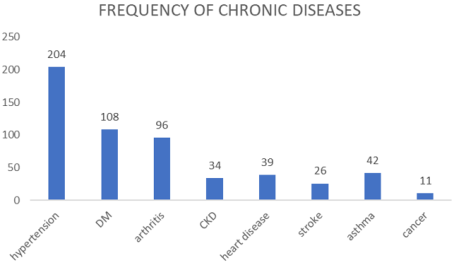
Figure 1. Prevalence of physician-diagnosed chronic conditions among the study participants (N = 327).
Figure 1 illustrates the distribution of physician-diagnosed chronic conditions among the study participants. Hypertension was the most prevalent chronic condition, followed by diabetes mellitus and arthritis.
Table 4. Association between selected socio-demographic characteristics and multimorbidity among the study participants (N = 327). Chi-square test at 95% confidence interval; statistical significance set at p < 0.05.
Variable | No Multimorbidity Multimorbidity χ2 p-value n (%) n (%) |
Age group (years) | |
60 - 69 | 88 (57.1) 66 (42.9) |
70 - 79 | 42 (37.5) 70 (62.5) |
≥80 | 15 (24.6) 46 (75.4) 18.42 0.001* |
Sex | |
Male | 79 (54.5) 66 (45.5) |
Female | 66 (36.3) 116 (63.7) 10.74 0.001* |
Marital Status | |
Single | 6 (54.5) 5 (45.5) |
Married | 95 (51.1) 91 (48.9) |
Divorced | 7 (31.8) 15 (68.2) |
Widowed | 37 (34.3) 71 (65.7) 11.26 0.010* |
Educational level | |
No formal education | 42 (33.3) 84 (66.7) |
Primary | 30 (42.3) 41 (57.7) |
Secondary | 43 (54.4) 36 (45.6) |
Tertiary | 30 (58.8) 21 (41.2) 9.51 0.023* |
Health Insurance | |
Yes | 50 (57.5) 37 (42.5) |
No | 95 (39.6) 145 (60.4) 7.94 0.005* |
χ2= Chi-square test; *Statistically significant at p < 0.05.
Increasing age, female sex, marital status, educational attainment, and health insurance status were significantly associated with multimorbidity. Participants aged ≥70 years, females, widowed individuals, those without formal education, and participants without health insurance had a higher prevalence of multimorbidity than their respective counterparts.
Table 5. Association between behavioural and clinical characteristics and multimorbidity among the study participants (N = 327).
Variable | No Multimorbidity Multimorbidity χ2 p-value n (%) n (%) |
Smoking | |
Never smoked | 102 (42.3) 139 (57.7) |
Former smoker | 25 (47.2) 28 (52.8) |
Current smoker | 18 (54.5) 15 (45.5) 2.11 0.348 |
Alcohol consumption | |
Never | 113 (45.6) 135 (54.4) |
Occasional | 22 (40.0) 33 (60.0) |
Regular | 10 (41.7) 14 (58.3) 1.94 0.379 |
Physical Activity | |
Regular | 74 (56.1) 58 (43.9) |
Insufficient | 71 (36.4) 124 (63.6) 8.56 0.003* |
Body Mass Index (BMI) | |
Underweight | 15 (57.7) 11 (42.3) |
Normal | 61 (52.1) 56 (47.9) |
Overweight | 46 (38.7) 73 (61.3) |
Obese | 23 (35.4) 42 (64.6) 9.84 0.020* |
Polypharmacy (≥5 drugs) | |
No | 108 (57.2) 81 (42.8) |
Yes | 37 (26.8) 101 (73.2) 24.71 0.001* |
Hospital admission (past 12 months) | |
No | 122 (52.9) 109 (47.1) |
Yes | 23 (24.0) 73 (76.0) 16.43 0.001* |
Clinic attendance (past year) | |
<5 visits | 74 (51.7) 69 (48.3) |
≥5 visits | 71 (38.6) 113 (61.4) 11.26 0.010* |
Difficulty obtaining prescribed Drugs | |
No | 107 (49.1) 111 (50.9) |
Yes | 38 (34.9) 71 (65.1) 8.17 0.004* |
χ2= Chi-square test; *Statistically significant at p < 0.05.
Smoking status and alcohol consumption were not significantly associated with multimorbidity (p > 0.05). In contrast, insufficient physical activity, overweight/obesity, polypharmacy, recent hospital admission, frequent outpatient clinic attendance, and difficulty obtaining prescribed medications were each significantly associated with a higher prevalence of multimorbidity.
Table 6. Multivariable binary logistic regression analysis showing independent predictors of multimorbidity among the study participants (N = 327). Binary logistic regression; 95% confidence interval; statistical significance set at p < 0.05.
VARIABLE | Crude OR P-Value Adjusted OR P-Value (95% CI) (95% CI) |
Age ≥70 years | 2.43 0.001* 2.08 0.003* |
| (1.55-3.80) (1.29-3.35) |
Female sex | 1.88 0.005* 1.69 0.031* |
| (1.20-2.95) (1.05-2.71) |
No formal education | 1.63 0.040* 1.38 0.201 |
| (1.02-2.59) (0.84-2.28) |
Insufficient activity | 1.94 0.004* 1.71 0.025* |
| (1.23-3.05) (1.07-2.74) |
Overweight/obesity | 1.82 0.008* 1.53 0.078 |
| (1.17-2.83) (0.95-2.46) |
Polypharmacy | 4.18 0.001* 3.46 0.001* |
| (2.56-6.82) (2.05-5.84) |
Hospital admission | 2.21 0.002* 1.82 0.033* |
| (1.33-3.67) (1.05-3.14) |
COR = Crude Odds Ratio; AOR = Adjusted Odds Ratio; CI = Confidence Interval. *Statistically significant at p < 0.05.
Variables significantly associated with multimorbidity at the bivariate level were entered into a multivariable binary logistic regression model. After adjustment for potential confounding factors, participants aged 70 years and above, females, those with insufficient physical activity, participants receiving five or more medications, and those with a history of hospital admission within the preceding 12 months remained significantly more likely to have multimorbidity (p < 0.05). Educational level, health insurance status, body mass index, clinic attendance, and difficulty obtaining prescribed medications were no longer statistically significant after adjustment.
4. Discussion
4.1. Prevalence of Multimorbidity
This study found that 55.7% of older adults attending the GOPC of the Hospital, Birnin Kebbi had multimorbidity, indicating that more than one-half of the study population was living with two or more chronic conditions. This finding reinforces the growing burden of multimorbidity among older adults in Nigeria and reflects the combined effects of population ageing, increasing life expectancy, and the rising prevalence of non-communicable diseases in low- and middle-income countries (LMICs). Furthermore, the predominance of hypertension, diabetes mellitus and arthritis observed in this study is consistent with the current epidemiological transition in LMICs, where cardiometabolic and musculoskeletal disorders constitute the major contributors to chronic disease burden among older adults
| [6] | World Health Organization. Decade of Healthy Ageing: Baseline Report. Geneva: World Health Organization; 2020. |
| [7] | GBD 2021 Causes of Death Collaborators. Global burden of 288 causes of death and life expectancy decomposition in 204 countries and territories and 811 subnational locations, 1990-2021: a systematic analysis for the Global Burden of Disease Study 2021. Lancet. 2024; 403(10440): 2100-2132.
https://doi.org/10.1016/S0140-6736(24)00367-2 |
[6, 7]
.
The prevalence of multimorbidity observed in this study is comparable with previous Nigerian reports and lies within the range of 27% to 74% documented among older adults in the country
| [6] | World Health Organization. Decade of Healthy Ageing: Baseline Report. Geneva: World Health Organization; 2020. |
[6]
. Similar prevalence estimates have also been reported in other LMICs, suggesting that multimorbidity has become an important public health challenge in ageing populations. The relatively high prevalence observed in the present study may be explained by the hospital-based design, as individuals attending tertiary healthcare facilities are generally more likely to present with multiple chronic conditions than community-dwelling older adults. In addition, variations in study setting, participants' age distribution, operational definitions of multimorbidity, and methods of disease ascertainment may account for differences in prevalence estimates reported across studies
| [6] | World Health Organization. Decade of Healthy Ageing: Baseline Report. Geneva: World Health Organization; 2020. |
| [8] | Violan C, Foguet-Boreu Q, Flores-Mateo G, Salisbury C, Blom J, Freitag M, Glynn L, Muth C, Valderas JM. Prevalence, determinants and patterns of multimorbidity in primary care: A systematic review of observational studies. PLoS One. 2014; 9(7): e102149. https://doi.org/10.1371/journal.pone.0102149 |
[6, 8]
.
4.2. Socio-demographic Determinants of Multimorbidity
The present study demonstrated that increasing age, female sex, marital status, educational attainment, and health insurance status were significantly associated with multimorbidity at the bivariate level. However, following adjustment for potential confounding variables, only increasing age and female sex remained independent predictors of multimorbidity. These findings suggest that although several socio-demographic characteristics influence the occurrence of multimorbidity, age and sex exert the strongest independent effects.
Older participants were significantly more likely to have multimorbidity than younger older adults, with the odds increasing progressively among those aged 70 years and above. This finding is consistent with numerous studies conducted in Nigeria and other LMICs, which have reported advancing age as one of the strongest determinants of multimorbidity. The accumulation of chronic diseases with age is biologically plausible and has been attributed to prolonged exposure to behavioural and environmental risk factors, progressive physiological decline, immunosenescence, and cumulative organ dysfunction over the life course
| [6] | World Health Organization. Decade of Healthy Ageing: Baseline Report. Geneva: World Health Organization; 2020. |
| [9] | Abebe F, Schneider M, Asrat B, Ambaw F. Multimorbidity of chronic non-communicable diseases in low- and middle-income countries: A scoping review. J Comorb. 2020; 10: 2235042X20961919. https://doi.org/10.1177/2235042X20961919 |
[6, 9]
. Similar observations have also been reported in a recent multinational analysis, which identified ageing as the principal driver of the increasing global burden of multimorbidity
| [10] | Nicholson K, Liu W, Fitzpatrick D, Hardacre KA, Roberts S, Salerno J, Stranges S, Fortin M, Mangin D. Prevalence of multimorbidity and polypharmacy among adults and older adults: a systematic review. The Lancet Healthy Longevity. 2024; 5(4): e287-e296. https://doi.org/10.1016/S2666-7568(24)00007-2 |
[10]
.
Female participants also exhibited significantly higher odds of multimorbidity than males after adjustment for other variables. This finding agrees with previous Nigerian and international studies reporting a greater burden of multimorbidity among women
| [6] | World Health Organization. Decade of Healthy Ageing: Baseline Report. Geneva: World Health Organization; 2020. |
| [11] | Garin N, Koyanagi A, Chatterji S, Tyrovolas S, Olaya B, Leonardi M, et al. Global multimorbidity patterns: A cross-sectional, population-based, multi-country study. The Journals of Gerontology Series A: Biological Sciences and Medical Sciences. 2016; 71(2): 205-214.
https://doi.org/10.1093/gerona/glv128 |
[6, 11]
. Several explanations have been proposed, including women's longer life expectancy, greater healthcare-seeking behaviour leading to increased diagnosis of chronic conditions, hormonal changes associated with ageing, and the higher prevalence of musculoskeletal disorders and obesity among older women. Conversely, some studies have reported no significant sex differences after controlling for socioeconomic and behavioural factors, suggesting that contextual and population-specific factors may partly explain these variations
| [12] | Nguyen H, Manolova G, Daskalopoulou C, Vitoratou S, Prince M, Prina AM. Prevalence of multimorbidity in community settings: A systematic review and meta-analysis of observational studies. Journal of Comorbidity. 2019; 9: 2235042X19870934. https://doi.org/10.1177/2235042X19870934 |
[12]
.
4.3. Behavioural and Clinical Determinants of Multimorbidity
The present study demonstrated that insufficient physical activity, overweight/obesity, polypharmacy, recent hospital admission, frequent clinic attendance, and difficulty obtaining prescribed medications were significantly associated with multimorbidity at the bivariate level. However, after adjustment for potential confounding factors, only insufficient physical activity, polypharmacy, and recent hospital admission remained independent predictors. These findings suggest that behavioural and healthcare-related factors play an important role in the occurrence and progression of multimorbidity among older adults.
Participants with insufficient physical activity were almost twice as likely to have multimorbidity after adjustment for other variables. This finding is consistent with previous studies conducted in LMICs, which have shown that physically inactive older adults have a substantially higher likelihood of developing multiple chronic conditions than their physically active counterparts
| [13] | Vancampfort D, Stubbs B, Firth J, Koyanagi A, Mugisha J, Firth J, et al. Sedentary behaviour and physical activity in relation to multimorbidity among community-dwelling adults: A systematic review and meta-analysis. Ageing Res Rev. 2023; 87: 101923. https://doi.org/10.1016/j.arr.2023.101923 |
| [14] | World Health Organization. WHO Guidelines on Physical Activity and Sedentary Behaviour. Geneva: World Health Organization; 2020. |
[13, 14]
. Regular physical activity has been shown to improve cardiovascular function, insulin sensitivity, musculoskeletal health, and immune regulation while reducing systemic inflammation, thereby lowering the risk of developing several chronic diseases simultaneously. Conversely, physical inactivity accelerates functional decline and contributes to the coexistence of multiple chronic conditions, particularly among older adults.
Polypharmacy also emerged as an independent predictor of multimorbidity in the present study. This finding was expected because individuals living with multiple chronic diseases often require several medications for disease control. Similar observations have been reported in Nigeria and other LMICs, where multimorbidity has consistently been associated with increased medication burden, higher healthcare utilization, adverse drug reactions, and reduced medication adherence
| [15] | Masnoon N, Shakib S, Kalisch-Ellett L, Caughey GE. What is polypharmacy? A systematic review of definitions. BMC Geriatrics. 2017; 17: 230.
https://doi.org/10.1186/s12877-017-0621-2 |
| [16] | Midão L, Giardini A, Menditto E, Kardas P, Costa E. Polypharmacy prevalence among older adults based on the Survey of Health, Ageing and Retirement in Europe. Arch Gerontol Geriatr. 2018; 78: 213-220.
https://doi.org/10.1016/j.archger.2018.06.018 |
[15, 16]
. Although polypharmacy is frequently considered a consequence rather than a cause of multimorbidity, its presence reflects increasing disease complexity and places older adults at greater risk of treatment-related complications.
A history of hospital admission within the previous 12 months was another significant independent predictor of multimorbidity. Older adults with multiple chronic conditions are more likely to experience disease exacerbations, functional decline, and complications requiring hospitalization. Similar findings have been reported in recent systematic reviews, which demonstrated that multimorbidity substantially increases the risk of hospitalization, prolonged hospital stay, and healthcare expenditure among older adults
| [17] | Ho ISS, Azcoaga-Lorenzo A, Akbari A, et al. Examining the association between multimorbidity, hospitalisation and mortality in adults: A systematic review and meta-analysis. Age and Ageing. 2022; 51(7): afac155.
https://doi.org/10.1093/ageing/afac155 |
[17]
. This finding underscores the importance of early identification and comprehensive outpatient management of high-risk individuals to reduce avoidable hospital admissions and improve long-term health outcomes.
4.4. Independent Predictors of Multimorbidity
Following adjustment for potential confounding factors, advancing age, female sex, insufficient physical activity, polypharmacy, and recent hospital admission remained independent predictors of multimorbidity. These findings suggest that multimorbidity among older adults is influenced by a complex interaction of biological, behavioural, and healthcare-related factors rather than by isolated demographic characteristics. Similar observations have been reported in previous studies, where advancing age and physical inactivity consistently emerged as major determinants of multimorbidity, while polypharmacy and recent hospitalization reflected increasing disease complexity and greater healthcare needs among affected individuals
| [13] | Vancampfort D, Stubbs B, Firth J, Koyanagi A, Mugisha J, Firth J, et al. Sedentary behaviour and physical activity in relation to multimorbidity among community-dwelling adults: A systematic review and meta-analysis. Ageing Res Rev. 2023; 87: 101923. https://doi.org/10.1016/j.arr.2023.101923 |
| [17] | Ho ISS, Azcoaga-Lorenzo A, Akbari A, et al. Examining the association between multimorbidity, hospitalisation and mortality in adults: A systematic review and meta-analysis. Age and Ageing. 2022; 51(7): afac155.
https://doi.org/10.1093/ageing/afac155 |
[13, 17]
. The identification of these independent predictors provides an opportunity for early risk stratification and supports the implementation of targeted interventions and proactive management of older adults at high risk of repeated hospitalization.
4.5. Clinical and Public Health Implications
The findings of this study have important implications for clinical practice and public health, particularly in resource-constrained settings where the burden of chronic diseases among older adults continues to increase. The high prevalence of multimorbidity observed, together with the identification of advancing age, female sex, insufficient physical activity, polypharmacy, and recent hospital admission as independent predictors, highlights the need for routine multimorbidity screening and comprehensive geriatric assessment at the primary healthcare level. Integrating lifestyle counselling, medication review, and coordinated management of multiple chronic conditions into routine outpatient services may improve health outcomes while reducing avoidable hospitalizations and healthcare costs
| [18] | Beard JR, Officer A, de Carvalho IA, Sadana R, Pot AM, Michel JP, et al. The World report on ageing and health: A policy framework for healthy ageing. The Lancet. 2016; 387(10033): 2145-2154.
https://doi.org/10.1016/S0140-6736(15)00516-4 |
| [19] | World Health Organization. Integrated care for older people (ICOPE): Guidance for person-centred assessment and pathways in primary care. Geneva: World Health Organization; 2019. |
[18, 19]
.
Furthermore, the findings support ongoing efforts to strengthen healthy ageing programmes through the promotion of regular physical activity and person-centred models of care that address the complex healthcare needs of older adults rather than focusing on individual diseases in isolation. Such strategies are consistent with current global recommendations for improving functional ability, maintaining quality of life, and reducing the growing burden of non-communicable diseases among ageing populations
| [19] | World Health Organization. Integrated care for older people (ICOPE): Guidance for person-centred assessment and pathways in primary care. Geneva: World Health Organization; 2019. |
[19]
.
5. Conclusions
This study demonstrated that multimorbidity is highly prevalent among older adults attending the General Outpatient Clinic of the Federal Teaching Hospital, Birnin Kebbi, with more than half of the participants living with two or more chronic conditions. Hypertension, diabetes mellitus, and arthritis were the most frequently reported chronic diseases. Although several socio-demographic, behavioural, and clinical factors were associated with multimorbidity at the bivariate level, advancing age, female sex, insufficient physical activity, polypharmacy, and recent hospital admission remained independent predictors after adjustment for potential confounding factors. These findings underscore the need for routine screening for multimorbidity among older adults, early identification of high-risk individuals, and the integration of comprehensive, person-centred care into routine outpatient services. Interventions aimed at promoting physical activity, optimizing medication use, and strengthening continuity of care may contribute to reducing the burden of multimorbidity and improving healthy ageing in Nigeria and other low- and middle-income countries.
6. Limitations of the Study
This study has some limitations that should be considered when interpreting the findings. First, its cross-sectional design precludes the establishment of causal relationships between the identified risk factors and multimorbidity. Second, the study was conducted in a single tertiary healthcare facility, which may limit the generalizability of the findings to community-dwelling older adults or other healthcare settings. Third, information on physician-diagnosed chronic conditions and lifestyle behaviours was partly based on participants' self-report, making the study susceptible to recall bias and reporting bias. Nevertheless, verification of medical records where available and the use of a standardized data collection instrument helped improve the reliability of the findings.
Abbreviations
AOR | Adjusted Odds Ratio |
BMI | Body Mass Index |
CI | Confidence Interval |
COR | Crude Odds Ratio |
FTH | Federal Teaching Hospital |
GOPC | General Outpatient Clinic |
LMICs | Low and Middle- Income Countries |
MM | Multimorbidity |
NCDs | Non - Communicable Diseases |
OR | Odds Ratio |
SPSS | Statistical Package for the Social Sciences |
WHO | World Health Organization |
Acknowledgments
The author sincerely appreciates the Management and staff of the Federal Teaching Hospital, Birnin Kebbi, particularly the General Outpatient Clinic, for granting permission to conduct this study and for their support during data collection. We are also grateful to all the study participants for their time, willingness, and valuable contributions to this research.
Any error or omissions remains the sole responsibility of the author.
Author Contributions
Hope Abitare: Conceptualization, Data curation, Formal Analysis, Investigation, Methodology, Project administration, Supervision, Validation, Visualization, Writing – review & editing
Data Availability Statement
The datasets generated and/or analysed during the current study are not publicly available because they contain information that could compromise participant confidentiality. However, the data are available from the corresponding author upon reasonable request and with permission from the Federal Teaching Hospital, Birnin Kebbi, where applicable.
Conflicts of Interest
The author declares no conflict of interest.
References
| [1] |
World Health Organization. World report on ageing and health. Geneva: World Health Organization; 2015.
|
| [2] |
Harrison C, Fortin M, van den Akker M, Mair F, Calderón-Larrañaga A, Boland F, Wallace E, Jani B, Smith S. Comorbidity versus multimorbidity: Why it matters. Journal of Multimorbidity and Comorbidity. 2021; 11: 2633556521993993.
https://doi.org/10.1177/2633556521993993
|
| [3] |
Ahmed A, Khan HTA, Lawal M. Systematic literature review of the prevalence, pattern, and determinant of multimorbidity among older adults in Nigeria. Health Serv Res Manag Epidemiol. 2023; 10: 23333928231178774.
https://doi.org/10.1177/23333928231178774
|
| [4] |
Cochran WG. Sampling Techniques. 3rd ed. New York: John Wiley & Sons; 1977.
|
| [5] |
Pati S, Swain S, Hussain MA, van den Akker M, Metsemakers J, Knottnerus JA, Salisbury C. Prevalence and outcomes of multimorbidity in South Asia: A systematic review. BMJ Open. 2015; 5(10): e007235.
https://doi.org/10.1136/bmjopen-2014-007235
|
| [6] |
World Health Organization. Decade of Healthy Ageing: Baseline Report. Geneva: World Health Organization; 2020.
|
| [7] |
GBD 2021 Causes of Death Collaborators. Global burden of 288 causes of death and life expectancy decomposition in 204 countries and territories and 811 subnational locations, 1990-2021: a systematic analysis for the Global Burden of Disease Study 2021. Lancet. 2024; 403(10440): 2100-2132.
https://doi.org/10.1016/S0140-6736(24)00367-2
|
| [8] |
Violan C, Foguet-Boreu Q, Flores-Mateo G, Salisbury C, Blom J, Freitag M, Glynn L, Muth C, Valderas JM. Prevalence, determinants and patterns of multimorbidity in primary care: A systematic review of observational studies. PLoS One. 2014; 9(7): e102149.
https://doi.org/10.1371/journal.pone.0102149
|
| [9] |
Abebe F, Schneider M, Asrat B, Ambaw F. Multimorbidity of chronic non-communicable diseases in low- and middle-income countries: A scoping review. J Comorb. 2020; 10: 2235042X20961919.
https://doi.org/10.1177/2235042X20961919
|
| [10] |
Nicholson K, Liu W, Fitzpatrick D, Hardacre KA, Roberts S, Salerno J, Stranges S, Fortin M, Mangin D. Prevalence of multimorbidity and polypharmacy among adults and older adults: a systematic review. The Lancet Healthy Longevity. 2024; 5(4): e287-e296.
https://doi.org/10.1016/S2666-7568(24)00007-2
|
| [11] |
Garin N, Koyanagi A, Chatterji S, Tyrovolas S, Olaya B, Leonardi M, et al. Global multimorbidity patterns: A cross-sectional, population-based, multi-country study. The Journals of Gerontology Series A: Biological Sciences and Medical Sciences. 2016; 71(2): 205-214.
https://doi.org/10.1093/gerona/glv128
|
| [12] |
Nguyen H, Manolova G, Daskalopoulou C, Vitoratou S, Prince M, Prina AM. Prevalence of multimorbidity in community settings: A systematic review and meta-analysis of observational studies. Journal of Comorbidity. 2019; 9: 2235042X19870934.
https://doi.org/10.1177/2235042X19870934
|
| [13] |
Vancampfort D, Stubbs B, Firth J, Koyanagi A, Mugisha J, Firth J, et al. Sedentary behaviour and physical activity in relation to multimorbidity among community-dwelling adults: A systematic review and meta-analysis. Ageing Res Rev. 2023; 87: 101923.
https://doi.org/10.1016/j.arr.2023.101923
|
| [14] |
World Health Organization. WHO Guidelines on Physical Activity and Sedentary Behaviour. Geneva: World Health Organization; 2020.
|
| [15] |
Masnoon N, Shakib S, Kalisch-Ellett L, Caughey GE. What is polypharmacy? A systematic review of definitions. BMC Geriatrics. 2017; 17: 230.
https://doi.org/10.1186/s12877-017-0621-2
|
| [16] |
Midão L, Giardini A, Menditto E, Kardas P, Costa E. Polypharmacy prevalence among older adults based on the Survey of Health, Ageing and Retirement in Europe. Arch Gerontol Geriatr. 2018; 78: 213-220.
https://doi.org/10.1016/j.archger.2018.06.018
|
| [17] |
Ho ISS, Azcoaga-Lorenzo A, Akbari A, et al. Examining the association between multimorbidity, hospitalisation and mortality in adults: A systematic review and meta-analysis. Age and Ageing. 2022; 51(7): afac155.
https://doi.org/10.1093/ageing/afac155
|
| [18] |
Beard JR, Officer A, de Carvalho IA, Sadana R, Pot AM, Michel JP, et al. The World report on ageing and health: A policy framework for healthy ageing. The Lancet. 2016; 387(10033): 2145-2154.
https://doi.org/10.1016/S0140-6736(15)00516-4
|
| [19] |
World Health Organization. Integrated care for older people (ICOPE): Guidance for person-centred assessment and pathways in primary care. Geneva: World Health Organization; 2019.
|
Cite This Article
-
APA Style
Abitare, H. (2026). Prevalence and Predictors of Multimorbidity Among Older Adults Attending the General Outpatient Clinic of Federal Teaching Hospital Birnin-Kebbi. Journal of Family Medicine and Health Care, 12(3), 78-88. https://doi.org/10.11648/j.jfmhc.20261203.15
 Copy
|
Copy
|
 Download
ACS Style
Abitare, H. Prevalence and Predictors of Multimorbidity Among Older Adults Attending the General Outpatient Clinic of Federal Teaching Hospital Birnin-Kebbi. J. Fam. Med. Health Care 2026, 12(3), 78-88. doi: 10.11648/j.jfmhc.20261203.15
Copy
|
Download
AMA Style
Abitare H. Prevalence and Predictors of Multimorbidity Among Older Adults Attending the General Outpatient Clinic of Federal Teaching Hospital Birnin-Kebbi. J Fam Med Health Care. 2026;12(3):78-88. doi: 10.11648/j.jfmhc.20261203.15
Copy
|
Download
-
@article{10.11648/j.jfmhc.20261203.15,
  author = {Hope Abitare},
  title = {Prevalence and Predictors of Multimorbidity Among Older Adults Attending the General Outpatient Clinic of Federal Teaching Hospital Birnin-Kebbi},
  journal = {Journal of Family Medicine and Health Care},
  volume = {12},
  number = {3},
  pages = {78-88},
  doi = {10.11648/j.jfmhc.20261203.15},
  url = {https://doi.org/10.11648/j.jfmhc.20261203.15},
  eprint = {https://article.sciencepublishinggroup.com/pdf/10.11648.j.jfmhc.20261203.15},
  abstract = {Multimorbidity is an emerging public health challenge associated with poor health outcomes, increased healthcare utilization, and rising healthcare costs, particularly among older adults. Despite its growing burden, evidence on multimorbidity among older adults in Northwestern Nigeria remains limited. This study determined the prevalence and predictors of multimorbidity among older adults attending the General Outpatient Clinic of the Federal Teaching Hospital, Birnin-Kebbi, Nigeria. A hospital-based cross-sectional study was conducted among 327 adults aged 60 years and above selected using systematic random sampling. Data were collected using a structured interviewer-administered questionnaire, while selected clinical information was verified from participants' medical records where applicable. Descriptive statistics were used to summarize participants' characteristics and estimate the prevalence of multimorbidity. Associations between independent variables and multimorbidity were assessed using the Chi-square test, while multivariable binary logistic regression analysis identified independent predictors. Statistical significance was set at p p < 0.05). After adjustment for potential confounders, advanced age (≥70 years), female sex, insufficient physical activity, polypharmacy, and recent hospital admission remained significant independent predictors of multimorbidity. Multimorbidity was found to be highly prevalent among older adults attending the General Outpatient Clinic of the Federal Teaching Hospital, Birnin-Kebbi and is influenced by both modifiable and non-modifiable factors. Routine screening for multimorbidity, promotion of healthy lifestyle behaviours, regular medication review, and implementation of integrated, person-centred chronic disease management strategies are recommended to improve health outcomes among older adults.},
 year = {2026}
}
Copy
|
Download
-
TY  - JOUR
T1  - Prevalence and Predictors of Multimorbidity Among Older Adults Attending the General Outpatient Clinic of Federal Teaching Hospital Birnin-Kebbi
AU  - Hope Abitare
Y1  - 2026/08/27
PY  - 2026
N1  - https://doi.org/10.11648/j.jfmhc.20261203.15
DO  - 10.11648/j.jfmhc.20261203.15
T2  - Journal of Family Medicine and Health Care
JF  - Journal of Family Medicine and Health Care
JO  - Journal of Family Medicine and Health Care
SP  - 78
EP  - 88
PB  - Science Publishing Group
SN  - 2469-8342
UR  - https://doi.org/10.11648/j.jfmhc.20261203.15
AB  - Multimorbidity is an emerging public health challenge associated with poor health outcomes, increased healthcare utilization, and rising healthcare costs, particularly among older adults. Despite its growing burden, evidence on multimorbidity among older adults in Northwestern Nigeria remains limited. This study determined the prevalence and predictors of multimorbidity among older adults attending the General Outpatient Clinic of the Federal Teaching Hospital, Birnin-Kebbi, Nigeria. A hospital-based cross-sectional study was conducted among 327 adults aged 60 years and above selected using systematic random sampling. Data were collected using a structured interviewer-administered questionnaire, while selected clinical information was verified from participants' medical records where applicable. Descriptive statistics were used to summarize participants' characteristics and estimate the prevalence of multimorbidity. Associations between independent variables and multimorbidity were assessed using the Chi-square test, while multivariable binary logistic regression analysis identified independent predictors. Statistical significance was set at p p < 0.05). After adjustment for potential confounders, advanced age (≥70 years), female sex, insufficient physical activity, polypharmacy, and recent hospital admission remained significant independent predictors of multimorbidity. Multimorbidity was found to be highly prevalent among older adults attending the General Outpatient Clinic of the Federal Teaching Hospital, Birnin-Kebbi and is influenced by both modifiable and non-modifiable factors. Routine screening for multimorbidity, promotion of healthy lifestyle behaviours, regular medication review, and implementation of integrated, person-centred chronic disease management strategies are recommended to improve health outcomes among older adults.
VL  - 12
IS  - 3
ER  -
Copy
|
Download





 Share This Article
 Twitter
 Linked In
 Facebook