Abstract
The global shift toward community-based mental healthcare highlights the importance of service-user involvement in the co-design of effective and acceptable care. This mixed-methods study assessed service-user satisfaction and explored barriers and facilitators to care at the Child and Adolescent Mental Health outpatient clinic of the University College Hospital, Ibadan, using a triangulation design. Quantitative data were collected from 44 adolescents and 21 caregivers using the Patients’ Perception of the Quality of Services Questionnaire and the Satisfaction with Life Scale, while qualitative in-depth interviews were conducted with a subset of 12 adolescents and 8 caregivers to explore perceptions of care quality, access, and improvement needs. Overall satisfaction with care was high, with caregivers reporting slightly higher satisfaction than adolescents. High satisfaction was reported by 72.7% of adolescents and 76.2% of caregivers, and no participant reported low satisfaction. Mean satisfaction scores were 86.25 (SD = 13.00) for adolescents and 86.67 (SD = 11.84) for caregivers. Sociodemographic characteristics and clinical diagnosis were not associated with satisfaction with care; however, satisfaction with services was significantly associated with participants’ subjective wellbeing. Qualitative analysis identified barriers, facilitators, and recommendations for service improvement. Key barriers included long waiting times, cumbersome administrative processes, unpredictable services, persistent symptoms and medication side effects, financial costs, and distance to the facility. Facilitators to continued care were perceived improvement in patients’ health and positive staff attitudes. Participants recommended reducing waiting times, streamlining clinic processes, lowering costs, improving staff attitudes and communication, and increasing consultation time with clinicians. In conclusion, findings suggest that both adolescents and caregivers were satisfied with the quality of care provided. However, the study underscores the importance of actively involving adolescents in treatment planning and service development to enhance engagement, adherence, and continuity of care, and to reduce the risk of dropout in child and adolescent mental health services.
|
Published in
|
Medicine and Health Sciences (Volume 2, Issue 1)
|
|
DOI
|
10.11648/j.mhs.20260201.16
|
|
Page(s)
|
49-64 |
|
Creative Commons
|

This is an Open Access article, distributed under the terms of the Creative Commons Attribution 4.0 International License (http://creativecommons.org/licenses/by/4.0/), which permits unrestricted use, distribution and reproduction in any medium or format, provided the original work is properly cited.
|
|
Copyright
|
Copyright © The Author(s), 2026. Published by Science Publishing Group
|
Keywords
Satisfaction with Care, Service User Involvement, Adolescent Mental Health, Healthcare Service
1. Introduction
The evolution of mental healthcare delivery has progressed from historical models of institutionalization to contemporary, community-based systems. Central to this transition is the principle of service-user involvement, which emphasizes integrating the perspectives, priorities, and perceived needs of individuals into the planning, delivery, and evaluation of care. This principle underpins person-centred care, a framework that promotes meaningful participation of users in treatment decisions, service design, and broader mental health advocacy
| [1] | Storm M, Edwards A. Models of user involvement in the mental health context: intentions and implementation challenges. Psychiatr Q. 2013; 84(3): 313-327.
https://doi.org/10.1007/s11126-012-9247-x |
| [2] | Doyle C, Lennox L, Bell D. A systematic review of evidence on the links between patient experience and clinical safety and effectiveness. BMJ Open. 2013; 3(1): e001570.
https://doi.org/10.1136/bmjopen-2012-001570 |
| [3] | Manary MP, Staelin R, Kosel KC, Schulman KA, Glickman SW. Organizational characteristics and patient experiences with hospital care: a survey study of hospital chief patient experience officers. Am J Med Qual. 2015; 30(5): 432-440.
https://doi.org/10.1177/1062860614530774 |
[1-3]
. Such collaborative models foster partnerships between providers and service users to co-design services and care pathways. Among adolescents, collaborative approaches, particularly shared decision-making, have been associated with improved engagement, reduced stigma, and lower rates of involuntary treatment and readmission
| [4] | Mulvale A, Miatello A, Hackett C, Mulvale G. Applying experience-based co-design with vulnerable populations: lessons from a systematic review of methods to involve patients, families and service providers in child and youth mental health service improvement. Patient Exp J. 2016; 3(1): 117-129. https://doi.org/10.35680/2372-0247.1125 |
| [5] | O’Sullivan OP, Chang NH, Baker P, Shah A. Quality improvement at East London NHS Foundation Trust: the pathway to embedding lasting change. Int J Health Gov. 2021; 26(1): 65-72. https://doi.org/10.1108/IJHG-07-2020-0072 |
| [6] | Omeni E, Barnes M, MacDonald D, Crawford M, Rose D. Service user involvement: impact and participation—a survey of service user and staff perspectives. BMC Health Serv Res. 2014; 14: 491. https://doi.org/10.1186/1472-6963-14-491 |
| [7] | Bjønness S, Grønnestad T, Storm M. I’m not a diagnosis: adolescents’ perspectives on user participation and shared decision-making in mental healthcare. Scand J Child Adolesc Psychiatry Psychol. 2020; 8: 1-12.
https://doi.org/10.21307/sjcapp-2020-014 |
[4-7]
.
However, the implementation of participatory models remains challenging in low- and middle-income countries (LMICs), including Nigeria, where conceptual gaps persist between biomedical understandings of mental illness and culturally embedded explanatory models
| [8] | Makanjuola V, et al. Explanatory model of psychosis: impact on perception of self-stigma by patients in three sub-Saharan African cities. Soc Psychiatry Psychiatr Epidemiol. 2016; 51: 1645-1654.
https://doi.org/10.1007/s00127-016-1262-9 |
| [9] | Akol A, Moland KM, Babirye JN, Engebretsen IMS. “We are like co-wives”: traditional healers’ views on collaborating with the formal child and adolescent mental health system in Uganda. BMC Health Serv Res. 2018; 18: 258.
https://doi.org/10.1186/s12913-018-3072-7 |
[8, 9]
. For mental health services to be acceptable and sustainably utilized, they must resonate with the worldviews of adolescents and their caregivers
| [10] | Monteiro NM. Addressing mental illness in Africa: global health challenges and local opportunities. Community Psychol Glob Perspect. 2015; 1(2): 78-95. |
[10]
. Understanding how young people and families conceptualize mental health problems and navigate help-seeking pathways is therefore critical for improving access to care and continuity of treatment
| [10] | Monteiro NM. Addressing mental illness in Africa: global health challenges and local opportunities. Community Psychol Glob Perspect. 2015; 1(2): 78-95. |
| [11] | Kieling C, et al. Worldwide prevalence and disability from mental disorders across childhood and adolescence: evidence from the Global Burden of Disease Study. JAMA Psychiatry. 2024; 81(4): 347-356.
https://doi.org/10.1001/jamapsychiatry.2023.4515 |
[10, 11]
.
Within this context, service-user satisfaction has emerged as a key indicator of perceived quality of care. Satisfaction is a multidimensional construct encompassing interpersonal processes such as communication and respect, structural elements including accessibility and waiting times, and perceived treatment outcomes. In adolescent mental health, satisfaction is particularly complex because it involves the perspectives of both adolescents and their caregivers, dual service users whose expectations and priorities may differ. Evidence suggests that higher satisfaction is associated with improved symptoms, enhanced functioning, and better treatment adherence, underscoring its value as an indicator of service effectiveness
| [12] | Garland AF, Aarons GA, Hawley KM, Hough RL. Relationship of youth satisfaction with mental health services and changes in symptoms and functioning. Psychiatr Serv. 2003; 54(11): 1544-1546. https://doi.org/10.1176/appi.ps.54.11.1544 |
| [13] | Coyne I, McNamara N, Healy M, Gower C, Sarkar M, McNicholas F. Adolescents’ and parents’ views of child and adolescent mental health services in Ireland. J Psychiatr Ment Health Nurs. 2015; 22(8): 561-569.
https://doi.org/10.1111/jpm.12231 |
[12, 13]
.
Despite the high burden of mental health conditions, now a leading cause of disability among adolescents worldwide, treatment gaps remain substantial in LMICs
. In sub-Saharan Africa, an estimated one in seven children and adolescents experience significant mental health difficulties
. Access to care is constrained by workforce shortages, limited resources, stigma, and low mental health literacy. Even when treatment is initiated, premature discontinuation is common
| [16] | Rickwood D, Deane FP, Wilson CJ, Ciarrochi J. Young people’s help-seeking for mental health problems. Aust e-J Adv Ment Health. 2005; 4(3): 218-251.
https://doi.org/10.5172/jamh.4.3.218 |
| [17] | Khazaie H, Rezaie L, de Jong DM. Dropping out of outpatient psychiatric treatment: a preliminary report of a 2-year follow-up. Gen Hosp Psychiatry. 2013; 35(3): 314-319.
https://doi.org/10.1016/j.genhosppsych.2013.01.010 |
| [18] | Akhigbe S, Morakinyo O, Lawani A, James B, Omoaregba J. Prevalence and correlates of missed first appointments among psychiatric outpatients in Nigeria. Ann Med Health Sci Res. 2014; 4(5): 763-768.
https://doi.org/10.4103/2141-9248.141550 |
[16-18]
. These challenges highlight the need for evaluative frameworks that foreground user experience and align clinical services with the expectations and cultural realities of the populations they serve. Furthermore, the United Nations Convention on the Rights of the Child affirms adolescents’ rights to high-quality healthcare and to having their views meaningfully considered, making routine assessment of user perspectives both a clinical priority and an ethical obligation
.
Although global interest in service-user involvement is increasing, research in Nigeria remains limited, particularly within specialized child and adolescent mental health (CAMH) services. Existing studies have largely relied on quantitative satisfaction measures or focused on adult populations, providing limited insight into the lived experiences of adolescents and their caregivers. Qualitative studies exploring these perspectives in depth, especially within tertiary care settings, are notably scarce. To our knowledge, few studies in sub-Saharan Africa—and none in Nigeria—have combined quantitative assessments of satisfaction with in-depth qualitative interviews of both adolescents and caregivers to explore perceived quality of care and service engagement within CAMH services.
This study addresses this gap by examining the experiences, expectations, and recommendations of adolescents receiving mental healthcare at a tertiary facility in Nigeria, alongside the perspectives of their caregivers. Grounded in a person-centred care framework and informed by theories of user involvement and help-seeking behaviour, the study prioritizes service-user narratives to generate contextually relevant evidence. The overarching aim was to assess adolescents’ and caregivers’ satisfaction with care and to explore dimensions of service provision that promote or hinder engagement with mental health services at the University College Hospital, Ibadan.
Specifically, the study sought to assess levels of satisfaction with care; identify factors associated with satisfaction; explore perceptions of service quality; examine barriers and facilitators influencing access to and continuity of care; and elicit service-user recommendations for improving child and adolescent mental health services at UCH.
2. Materials and Methods
This study employed a cross-sectional convergent mixed-methods design, integrating quantitative and qualitative approaches to generate a comprehensive understanding of service-user experiences. A convergent (concurrent) triangulation strategy was adopted, in which quantitative survey data and qualitative interview data were collected during the same timeframe, analysed separately, and subsequently merged during interpretation to corroborate findings and enhance interpretive depth. The choice of this design was justified by the study’s aim to assess satisfaction levels while also exploring the contextual factors underlying adolescents’ and caregivers’ perceptions of care, allowing the qualitative data to elaborate and interpret patterns observed in the quantitative results.
Within the quantitative component, satisfaction with mental health services constituted the primary dependent variable. Independent variables included sociodemographic characteristics (age, sex, education), clinical characteristics (diagnostic category, duration of care), and subjective wellbeing as measured by satisfaction with life. Satisfaction with life was further explored as a potential explanatory or moderating factor influencing perceptions of service quality, given its conceptual link to overall wellbeing and health-related evaluations.
The study was conducted at the Child and Adolescent Mental Health (CAMH) outpatient clinic within the Department of Child and Adolescent Psychiatry at the University College Hospital (UCH), Ibadan, Nigeria. Established in the 1950s, UCH is a major tertiary healthcare institution and referral centre serving southwestern Nigeria. The Department of Child and Adolescent Psychiatry, formalised in 2009, is a specialized service dedicated to the assessment and treatment of mental health conditions in children and adolescents.
The clinic operates a multidisciplinary team model comprising child and adolescent psychiatrists, psychiatry residents, nurses, social workers, and a clinical psychologist. Services include comprehensive initial assessments involving psychiatric evaluation, physical examination, and relevant investigations, with diagnoses made according to ICD-10 criteria. Treatment planning is collaborative, involving both the young person and their caregiver. The clinic holds two weekly outpatient sessions, a general clinic and an intellectual disability clinic, seeing an average of 35 patients per week. Beyond outpatient care, the department manages a seven-bed inpatient unit and provides emergency, liaison, and community outreach services, positioning it as a central hub for child and adolescent mental healthcare in the region.
2.1. Study Population
The study population comprised two linked groups accessing services at the UCH CAMH clinic between August and October 2023: adolescent service users aged 10-19 years with a mental health diagnosis made by a consultant psychiatrist using ICD-10 criteria, and their caregivers (parents or guardians) who accompanied them to clinic appointments.
2.1.1. Eligibility Criteria
Participants were eligible if they were adolescents aged 10-19 years with a diagnosed mental health condition or their caregivers, and if they had attended the clinic at least twice to ensure sufficient exposure to the service. Adolescents who were acutely unwell and unable to participate were excluded. Adolescents younger than 18 years were excluded if a parent or guardian was unavailable to provide consent.
2.1.2. Sample Size
The sample size was determined separately for the quantitative and qualitative components of the study.
Quantitative Sample: A total (census) sampling approach was used, in which every eligible and consenting individual who attended the Child and Adolescent Mental Health Clinic during the three-month study period was invited to participate. The three-month timeframe was selected to ensure adequate coverage of routine clinic attendance patterns while avoiding an extension of data collection beyond the study’s available time and resource constraints.
This approach yielded a total sample of 65 participants, comprising 44 adolescent patients and 21 caregivers. The larger number of adolescents reflects the usual clinic pattern, as some older adolescents present independently without a caregiver.
During data collection, 12 potential participants (six adolescents and their accompanying caregivers) declined participation because they were in a hurry and did not complete the questionnaires; these individuals were therefore not included in the final sample.
Qualitative Sample: A purposive sampling strategy was employed to recruit participants capable of providing rich, relevant insight into the study objectives. Adolescents and caregivers were selected to ensure variation in age, gender, presenting concerns, and service-use experiences. Sampling continued until data saturation was reached. Saturation was defined as the point at which successive interviews produced no new codes, ideas, or themes, and additional data collection was unlikely to contribute further conceptual depth.
This process resulted in a total qualitative sample of 20 participants, comprising 12 adolescents and 8 caregivers.
2.2. Instruments
Four primary instruments were used for data collection:
Sociodemographic Questionnaire: An adapted, widely used tool to collect data on age, gender, education, ethnicity, religion, and socioeconomic status (using parental education as a proxy). The researcher also extracted clinical data (primary diagnosis based on ICD-10 criteria) from patient case notes and categorized them into broad diagnostic groups.
The Satisfaction with Life Scale (SWLS) was used to assess global cognitive judgments of life satisfaction and general well-being. This 5-item instrument employs a 7-point Likert response format, yielding total scores that range from 5, representing extremely low satisfaction, to 35, indicating extremely high satisfaction. Scores were interpreted using the established categorical ranges: 31-35 denoting extremely satisfied, 26-30 satisfied, 21-25 slightly satisfied, 20 neutral, 15-19 slightly dissatisfied, 10-14 dissatisfied, and 5-9 extremely dissatisfied. The SWLS has been validated for use among Nigerian adolescents, and a study
| [20] | Oladipo SE, Balogun SK. How suitable is the Satisfaction with Life Scale for use on adolescents in Nigeria? Sci J Psychol. 2012; 2012: 1-6. |
[20]
by Oladipo and Balogun (2012) reported a Cronbach’s alpha coefficient of 0.79, indicating good internal consistency.
The Patients’ Perception of the Quality of Services Questionnaire was adapted from a previously validated instrument used to assess satisfaction with gynaecological services in Lagos, Nigeria (Akinlusi et al., 2022). It is a Likert-type measure designed to assess satisfaction across multiple domains, including the clinic environment, staff attitudes, waiting times, communication and information exchange, and overall service experience. The outpatient version comprises 23 items, with a maximum obtainable score of 115. Scores were categorised to reflect levels of satisfaction, with total scores of 40 or below classified as low satisfaction, scores between 41 and 80 indicating moderate satisfaction, and scores above 80 representing high satisfaction.
A semi-structured interview guide was used for the qualitative component of the study. This guide allowed for in-depth exploration of participants’ experiences, focusing on their initial and follow-up visits, their perceptions of service quality in terms of the clinic environment, staff interactions and expectations, the barriers and facilitators they encountered in accessing care, and their recommendations for service improvement. The flexible format of the guide ensured that core domains were consistently addressed while also allowing participants to elaborate on issues most salient to them.
2.3. Data Collection Procedure
Over a three-month period from August to October 2023, data was collected from all eligible and consenting adolescents and their caregivers accessing the outpatient clinic. The researcher recruited a total of 65 participants, comprising 44 adolescents and 21 caregivers, and administered the process in two stages. First, after obtaining informed assent and consent, each participant completed a set of standardized questionnaires on sociodemographics, life satisfaction, and perceived service quality. Subsequently, in-depth interviews were conducted with a purposively selected subset (from the 65 participants recruited from the quantitative phase) of 20 participants (12 adolescents and 8 caregivers) until data saturation was reached; these interviews, conducted either in person or by phone based on participant preference, were audio-recorded and later transcribed verbatim for analysis.
2.4. Data Management and Analysis
The quantitative data generated was analyzed using the IBM Statistical Package for Social Sciences (SPSS version 25.0) computer software, employing descriptive statistics which included percentages and means. Bivariate analysis to test for association was done using Chi-square, to analyze the relationships between sociodemographic variables, satisfaction with life scores, and levels of satisfaction with health care. Multivariate analysis to test for the relationship between independent and dependent variables was explained through multiple linear regression and logistic regression. The level of significance for all statistical analysis was set at 0.05.
Variables were selected for inclusion in the multivariate logistic regression model based on theoretical relevance and results from the bivariate analyses. Satisfaction-with-life category was included because it showed a statistically significant association with satisfaction. Age and sex were included as standard covariates known to influence service perceptions in adolescent mental-health research. Duration of care was included because of its clinical relevance, despite not being significant in bivariate analysis. Diagnosis was not included due to extremely sparse cell counts and violation of chi-square assumptions; inclusion would compromise model stability. For logistic regression, assumptions of independence, absence of multicollinearity (VIF), and linearity of continuous variables with the log-odds were assessed.
Qualitative data were analysed using thematic analysis, following a structured and rigorous approach. All interviews were audio-recorded, transcribed verbatim, and checked for accuracy before analysis. The analytic process began with repeated readings of the transcripts to ensure deep familiarisation with the data.
Coding was carried out using a primarily deductive approach, guided by predefined thematic categories derived from the study objectives and the interview guide (e.g., experiences of care, perceived quality, barriers, facilitators, recommendations). However, the reviewers also remained open to new insights within the data, allowing for the incorporation of inductively generated codes where appropriate.
Two coders, the primary author and a trained research assistant, independently coded all transcripts. After initial coding, the two sets of coded transcripts were compared in a reconciliation meeting where discrepancies were discussed and resolved through consensus. Following reconciliation, codes were critically reviewed and organised into broader themes. Themes were refined iteratively by examining internal coherence within each theme and distinctiveness between themes. Reflexive discussions were also held to minimise potential bias, drawing attention to the researchers’ positionalities and assumptions. This systematic process ensured that the final themes accurately represented participants’ perspectives and provided credible insights into their experiences and expectations of mental health services.
2.5. Ethical Considerations
This study received ethical approval from the University of Ibadan/University College Hospital Ethics Committee (UI/UCH Ethics Committee approval number: UI/EC/23/0414). The study adhered to established ethical principles through the provision of detailed study information and the obtaining of written informed consent from all adult participants, as well as written assent from adolescents and consent from their parents or guardians. Participation was voluntary, and participants were informed of their right to decline participation or withdraw at any stage without any consequences for their care.
Confidentiality was maintained using unique identification codes rather than personal identifiers, and all audio recordings were securely stored and deleted after verbatim transcription. Data were accessible only to the research team and used solely for research purposes.
Given the sensitive nature of discussions around mental health experiences, particular care was taken to manage potential emotional distress during interviews. Interviews were conducted by trained personnel with clinical mental health experience, and participants were informed that they could pause or stop the interview at any point if they felt uncomfortable. When participants expressed distress or recalled frightening or emotionally charged experiences, interviewers responded empathically, avoided probing beyond what participants were willing to share, and ensured that discussions did not escalate distress. Where necessary, participants were offered brief emotional support and reassurance, and any concerns identified were communicated, with permission, to the clinical team already involved in the participant’s care. No participant required emergency intervention as a result of participation in the study.
The study was designed to minimise risk and avoid harm while contributing knowledge aimed at improving the quality, accessibility, and user-centredness of child and adolescent mental health services.
2.6. Conceptual Framework
Figure 1. Conceptual Framework Illustrating Individual, Clinical, and Service-Level Factors Influencing Satisfaction with Child and Adolescent Mental Health Services.
The study was guided by a conceptual framework (
Figure 1) in which satisfaction with mental health services was defined as the primary outcome variable. Sociodemographic characteristics (age and sex), clinical characteristics (diagnostic category and duration of care), and subjective wellbeing (satisfaction with life) were examined as individual-level predictors of satisfaction with care. Subjective wellbeing was conceptualised as a key explanatory factor influencing how service users perceive and evaluate care quality. Service-level and interpersonal factors were identified through qualitative analysis as contextual influences shaping user experiences and indirectly affecting satisfaction. Satisfaction with care was positioned as a proximal determinant of continued engagement with services, with implications for adherence and retention in child and adolescent mental health care in low- and middle-income settings.
3. Results
3.1. Sociodemographic Characteristics of Participants
A total of 44 adolescent patients participated, with a mean age of 16.7 years (SD=2.3; range: 11-19 years). The cohort was predominantly male (56.8%), Nigerian (97.7%), and Christian (81.8%); all reported being single. Clinically, nearly half (47.7%) were managed for psychosis and 29.5% for mood disorders; anxiety disorders, enuresis, conduct disorder, and substance use disorders comprised the remaining 22.7%. Most (47.7%) had been receiving care for less than one year, while only 9.1% had been in treatment for over five years. Regarding life satisfaction, 48% reported being satisfied, 43% dissatisfied, and 9% neutral.
Table 1 shows the sociodemographic and clinical characteristics of the adolescent patients who participated in the study.
The 21 participating caregivers had a mean age of 44.5 years (SD=5.6; range: 36-55 years). The majority were female (66.7%), married (90.5%), Christian (81%), and of Yoruba ethnicity (81%). The duration of care for their adolescents mirrored the patient cohort, with 43% receiving care for less than one year and 14% for over five years. Regarding their own subjective well-being, 52% of caregivers were satisfied with life, 23.8% were dissatisfied, and 14.3% were neutral.
Table 2 shows the sociodemographic characteristics of the adult caregivers.
Table 1. Sociodemographic and Clinical Characteristics of the Adolescent Outpatient Respondents (N=44).
| N | % |
Gender | | |
Male | 25 | 56.8 |
Female | 19 | 43.2 |
Religion | | |
Christianity | 36 | 81.8 |
Islam | 8 | 18.2 |
Diagnosis | | |
Psychosis | 21 | 47.7 |
Mood disorder | 13 | 29.5 |
Enuresis | 3 | 6.8 |
Conduct disorder | 3 | 6.8 |
Psychoactive substance use | 2 | 4.5 |
Anxiety disorder | 2 | 4.5 |
Duration of care | | |
Less than 1 month | 6 | 13.6 |
Less than 1 year | 15 | 34.1 |
Between 1 to 2 years | 12 | 27.3 |
Between 2 to 5 years | 7 | 15.9 |
More than 5 years | 4 | 9.1 |
Satisfaction with life | | |
Dissatisfied | 19 | 43.2 |
Neutral | 4 | 9.0 |
Satisfied | 21 | 47.8 |
This table presents the sociodemographic profile, clinical diagnoses, duration of care, and self-reported life satisfaction (subjective wellbeing) of the adolescent participants.
Table 2. Sociodemographic Characteristics of Caregivers (N=21).
| N | % |
Gender | | |
Male | 7 | 33.3 |
Female | 14 | 66.7 |
Marital status | | |
Married | 19 | 90.5 |
Divorced/separated | 1 | 4.8 |
Widowed | 1 | 4.8 |
Ward’s Diagnosis | | |
Psychosis | 11 | 52.4 |
Mood disorder | 5 | 23.8 |
Enuresis | 1 | 4.8 |
Conduct disorder | 2 | 9.5 |
Psychoactive substance use | 1 | 4.8 |
Anxiety disorder | 1 | 4.8 |
Satisfaction with life | | |
Dissatisfied | 5 | 23.8 |
Neutral | 3 | 14.3 |
Satisfied | 13 | 61.9 |
This table summarizes the sociodemographic profile, marital status, ward diagnoses, and self-reported life satisfaction (subjective wellbeing) of caregivers whose adolescents were receiving outpatient mental health services.
3.2. Satisfaction with Service
Overall, both adolescent patients and their caregivers reported high levels of satisfaction with the mental health services received. Satisfaction was measured via a structured questionnaire and classified as low, moderate, or high.
Among Adolescent Patients: The vast majority (72.7%) reported a high level of satisfaction, with no respondents indicating low satisfaction. The mean satisfaction score was 86.25 (SD=13.00), confirming a high level of satisfaction.
Among Caregivers: Similarly, most caregivers (76.2%) reported a high level of satisfaction, with no low satisfaction reported. Their mean satisfaction score was 86.67 (SD=11.84), also corresponding to a high level of satisfaction.
Table 3. Satisfaction with Services Among Adolescent Outpatients (N = 44) and their Caregivers (N = 21).
Level of Satisfaction | Adolescents (N = 44) n (%) | Caregivers (N = 21) n (%) |
Low | 0 (0.0) | 0 (0.0) |
Moderate | 12 (27.3) | 5 (20.0) |
High | 32 (72.7) | 16 (76.2) |
Mean score (SD) | 86.25 (13.00) | 86.67 (11.84) |
This table compares reported levels of satisfaction with mental health services among adolescent patients (N = 44) and their caregivers (N = 21), including categorical satisfaction levels and mean satisfaction scores.
3.2.1. Correlates of Service Users’ Satisfaction with Care
Bivariate analysis was conducted to examine associations between sociodemographic characteristics, satisfaction with life, and satisfaction with mental health services among the study population. Among adolescents, satisfaction with life was significantly associated with satisfaction with mental health services (p = .049). This association was not statistically significant among caregivers (p = .471). When adolescents and caregivers were analysed together, a statistically significant positive association was observed between satisfaction with life and satisfaction with services. Participants who reported higher levels of satisfaction with life were more likely to report high satisfaction with the mental health services received (χ²(2) = 7.63, p = .022). This relationship also demonstrated a significant linear trend (χ²(1) = 6.70, p = .010), indicating that increasing life satisfaction was associated with progressively higher levels of service satisfaction. Assumption checks confirmed the validity of this test, with fewer than 20% of cells having expected counts below five.
In contrast, no statistically significant associations were found between satisfaction with services and other variables, including sex, age, diagnosis, or duration of care. While the analysis of sex met statistical assumptions and showed no significant relationship with service satisfaction (χ²(1) = 0.85, p = .357; Fisher’s Exact Test p = .408), analyses involving age, diagnosis, and duration of care were limited by sparse data. These findings suggest no clear evidence of association.
Separate bivariate analyses conducted for adolescents and caregivers did not reveal any statistically significant associations between satisfaction with services and the examined variables.
Although multivariable logistic regression was initially planned, it was not conducted due to the modest sample size and sparse cell counts across several covariates, which limited the stability and interpretability of adjusted models. As a result, only bivariate analyses are reported.
Overall, satisfaction with life emerged as the only variable significantly associated with satisfaction with mental health services in this study. No other sociodemographic or clinical factors demonstrated a reliable association.
Table 4. Bivariate Results.
Variable | p-value |
Satisfaction With Life | .022 |
Diagnosis | .577 |
Sex | .357 |
Age | .456 |
Duration of Care | .485 |
This table presents the results of bivariate analyses examining associations between satisfaction with services and selected sociodemographic and clinical variables.
3.2.2. Service User Perspectives on Quality of Care
Service users’ perceptions of care quality were organised across four key domains: initial experiences and first impressions, expectations of care, perceptions of the service environment, and service providers’ attitudes and professionalism. Illustrative quotations from adolescents and caregivers are presented in
Tables 5-8.
Overall, initial encounters with the service evoked mixed reactions. While several adolescents and caregivers described their first visit as reassuring and informative, others recalled the experience as stressful, exhausting, or frightening, particularly due to the length and intensity of assessments (
Table 5). Expectations of care varied, with some adolescents anticipating a cure rather than long-term management, and others expressing concerns about persistent medication side effects or uncertainty regarding treatment approaches (
Table 6). Perceptions of the service environment were similarly mixed, with respondents acknowledging cleanliness and privacy but highlighting poor aesthetics, noise, and difficulties locating the clinic (
Table 7). Interactions with service providers emerged as a particularly influential determinant of perceived care quality; positive descriptions emphasised professionalism, friendliness, and empathy, while negative experiences centred mainly on occasional discourtesy, especially among front-line staff (
Table 8).
Table 5. Initial Experience and First Impressions.
Theme | Illustrative Quote |
Satisfactory and Informative | “It went well, I was counseled, and I was asked a lot of questions... I was one step closer to finding what was wrong.” (17F, Adolescent) |
Stressful and Exhausting | “I remember that it took a long time. It was exhausting, having to answer so many questions.” (19M, Adolescent) |
Scary and Uncertain | “I remember that I was scared because I didn’t know what was going on.” (15F, Adolescent) |
Reassuring | “When we came here, I love the way they take care of us... That made all my worry reduce.” (Caregiver) |
This table presents key themes and illustrative quotations describing adolescents’ and caregivers’ initial experiences and first impressions during their first contact with mental health services.
Table 6. Expectations.
Theme | Illustrative Quote |
Expectation of a Cure vs. Management | “I was hoping that they would cure it, but I have just been using drugs because they said it is only manageable.” (17F, Adolescent) |
Management of Medication Side Effects | “I expected them to change my drugs. I have told them that the drug makes me weak... but they said I should continue.” (19M, Adolescent) |
Questions about Treatment Approach | “The review is strictly based on what the patient says. I am wondering if that will be a good parameter...” (Caregiver) |
This table summarizes themes and illustrative quotations reflecting adolescents’ and caregivers’ expectations regarding treatment outcomes, medication effects, and care approaches.
Table 7. Perception of Service Environment.
Theme | Illustrative Quote |
Poor Aesthetics and Noisy | “In terms of aesthetics... it can be better.” (Caregiver); “There is a construction site... It disturbs a lot.” (19M, Adolescent) |
Difficult to Locate | “It is sometimes difficult to get here or describe to someone... most people won’t get this place.” (17F, Adolescent) |
Clean and Conducive | “The environment is conducive enough, in terms of neatness, comfort and even privacy.” (18M, Adolescent) |
This table outlines participants’ perceptions of the physical and organizational service environment, with representative quotations from adolescents and caregivers.
Table 8. Service Providers’ Attitude and Professionalism.
Theme | Illustrative Quote |
Professional, Efficient & Enlightening | “They are very professional. They know what they are doing... they enlighten you more.” (17F, Adolescent) |
Friendly & Caring | “They are really friendly, all the staff... They treat us well.” (16F, Adolescent) |
Unfriendly, Irritable, or Discourteous | “Most times, they are nice. Sometimes, they can get cranky, particularly the nurses.” (19M, Adolescent); “...the nurses. They can be not so courteous.” (Caregiver) |
This table presents themes and illustrative quotations describing adolescents’ and caregivers’ perceptions of healthcare providers’ attitudes, professionalism, and interpersonal conduct.
3.3. Barriers and Facilitators to Accessing Care Among Service Users
Barriers and facilitators influencing access to and continuity of care were organised into two overarching themes. Key barriers included long waiting times, cumbersome administrative protocols, financial costs, distance to the clinic, unpredictability of services, and persistent symptoms or medication side effects (
Table 9). In contrast, facilitators of continued engagement were largely driven by perceived improvements in the patient’s health and positive, respectful interactions with clinic staff (
Table 10). Rather than being independent factors, these facilitators often mitigated the impact of structural barriers, reinforcing motivation to remain in care despite challenges.
Table 9. Barriers to Access Care Among Service Users.
Theme | Illustrative Quote |
Long Waiting Times | “The time it takes before you see the doctor is very long. Sometimes, you will wait for hours.” (17F, Adolescent) |
Cumbersome and Repetitive Protocol | “You will queue to collect code some-where, queue to pay, queue to collect receipt... Too much protocols.” (Caregiver) |
Financial Cost | “By the time I think about... the money I will pay for consultation, I will not want to come again. It is very expensive.” (Caregiver) |
Distance | “I am discouraged from coming because the place is far.” (Caregiver) |
Unpredictability of Service | “…each time you come, you are never sure of what you will meet; whether it is strike...” (Caregiver) |
Persisting Symptoms and Side Effects | “I don’t like coming here because of the issue, bedwetting.” (14F, Adolescent); “They have not stopped the drugs... I don’t feel like coming.” (19M, Adolescent) |
This table summarizes key barriers to accessing and maintaining engagement with mental health services, as reported by adolescents and caregivers, with illustrative quotations.
Table 10. Facilitators to Access Care Among Service Users.
Theme | Illustrative Quote |
Perceived Improvement in Health | “I have seen a lot of changes in myself, and I am happy” (18M, Adolescent); “We see results in her, she is getting better” (Caregiver) |
Positive Staff Attitudes | “The way the staff care for us. That is encouraging.” (16F, Adolescent); “I keep coming because of the way they address us... They don’t shout at you.” (Caregiver) |
This table presents themes and illustrative quotations describing factors that encouraged ongoing service use among adolescents and caregivers.
3.4. Service Users’ Recommendations to Improve Care
Service users proposed several practical and actionable recommendations aimed at improving service efficiency, accessibility, and overall experience. These recommendations focused on streamlining administrative processes, reducing waiting times, enhancing staff courtesy and training, increasing consultation time, and lowering financial costs (
Table 11). Collectively, these suggestions reflect users’ priorities for a more responsive, youth-friendly, and patient-centred service model.
Table 11. Recommendations to Improve Service Delivery.
Theme | Illustrative Quote |
Streamline Processes and Reduce Waiting Times | “They need to find a way to reduce the time wastage... Maybe they can give us different appointment times.” (19M, Adolescent) |
Improve Administrative Protocols | “If we can pay directly in the clinic, at least it will make it faster.” (19M, Adolescent); “Imagine if everything can be streamlined.” (Caregiver) |
Enhance Staff Courtesy & Training | “Courtesy, especially from your nurses who are the front desk people, it is very, very important..” (Caregiver) |
Increase Consultation Time | “If they can spend more time with patients, give them advice on what they are struggling with.” (18M, Adolescent) |
Reduce Financial Costs | “I don’t know oh, but if they can reduce the money, I will be very happy” (Caregiver) |
This table summarizes adolescents’ and caregivers’ recommendations for improving the efficiency, accessibility, and quality of mental health services.
4. Discussion
This study aimed to assess service users’ satisfaction with care, explore factors influencing access, and elicit recommendations for improvement at a child and adolescent mental health (CAMH) clinic in Nigeria. While previous studies from high-income settings have documented the importance of service user satisfaction in shaping engagement and outcomes
| [21] | Van der Meer L, et al. Targeting personal recovery of people with complex mental health needs: the development of a psychosocial intervention through user-centered design. Front Psychiatry. 2021; 12: 635514.
https://doi.org/10.3389/fpsyt.2021.635514 |
[21]
, evidence from low- and middle-income countries (LMICs), particularly within African CAMH services, remains limited. This study therefore adds context-specific insights from a Nigerian tertiary CAMH clinic, contributing to the growing but still sparse African literature on user-centred mental health care
,
23].
A key finding was the systematic discrepancy in satisfaction levels between adult caregivers and adolescent patients themselves, with caregivers reporting higher scores. This aligns with established literature, which suggests that as the initiators of treatment, caregivers are often more positively biased toward the service
| [20] | Oladipo SE, Balogun SK. How suitable is the Satisfaction with Life Scale for use on adolescents in Nigeria? Sci J Psychol. 2012; 2012: 1-6. |
| [21] | Van der Meer L, et al. Targeting personal recovery of people with complex mental health needs: the development of a psychosocial intervention through user-centered design. Front Psychiatry. 2021; 12: 635514.
https://doi.org/10.3389/fpsyt.2021.635514 |
[20, 21]
. Furthermore, treatment aims are frequently defined by providers or parents without adequate consultation of the adolescent, potentially explaining why the primary recipients of care may feel less satisfied or even marginalized
| [26] | Tollefsen TK, Neumer SP, Berg-Nielsen TS. “What matters to you?”: a randomized controlled effectiveness trial using systematic idiographic assessment to increase adolescents’ perceived control of their mental health. J Adolesc. 2020; 78: 53-61. https://doi.org/10.1016/j.adolescence.2019.11.004 |
[26]
. This underscores a critical need to actively involve adolescents in their own care planning and decisions to ensure their perspectives are valued and integrated, particularly in LMIC CAMH settings where hierarchical models of care may still predominate.
Investigations into the influence of socio-demographic factors revealed no significant association with satisfaction levels among either adolescents or caregivers. This suggests that non-modifiable characteristics such as age, gender, or education level do not determine how care is perceived, a finding consistent with several other studies
| [12] | Garland AF, Aarons GA, Hawley KM, Hough RL. Relationship of youth satisfaction with mental health services and changes in symptoms and functioning. Psychiatr Serv. 2003; 54(11): 1544-1546. https://doi.org/10.1176/appi.ps.54.11.1544 |
| [21] | Van der Meer L, et al. Targeting personal recovery of people with complex mental health needs: the development of a psychosocial intervention through user-centered design. Front Psychiatry. 2021; 12: 635514.
https://doi.org/10.3389/fpsyt.2021.635514 |
| [23] | De Man J, et al. Patient-centered care and people-centered health systems in sub-Saharan Africa: why so little of something so badly needed? Int J Pers Cent Med. 2016; 6(3): 162-173. |
[12, 21, 23]
. In contrast, subjective wellbeing, operationalised as satisfaction with life, showed a significant association with satisfaction with care. Those reporting higher levels of subjective wellbeing expressed greater satisfaction with the services, while those with lower wellbeing were less satisfied. These findings suggest that individuals’ overall psychological state may influence how care is perceived, an observation that is particularly relevant in CAMH services where emotional distress is often prominent at presentation. While caregivers with higher wellbeing also tended to report greater satisfaction, this relationship was not statistically significant, possibly reflecting the smaller caregiver sample and limited statistical power.
The study also explored how service users perceived their care across several domains. The experience of the first visit was pivotal: while some found it satisfactory due to friendly staff and receiving hopeful information, others remembered it as stressful, primarily because of long waiting times. A significant number could not recall their first visit at all, suggesting that retrospective assessments of first-contact experiences may be limited and that future studies should consider capturing these perceptions closer to the time of service entry. Appraisals of the physical environment were mixed, linking factors like poor aesthetics or difficulty locating the clinic to broader judgments about service quality. Unmet expectations, though not widespread among respondents, centered on unresolved symptoms and troubling medication side effects, factors known from global research to be strong predictors of treatment dropout
| [24] | Bunge EL, Maglio AL, Musich FM, Savage C. Consumer satisfaction with private child and adolescent mental health services in Buenos Aires. Child Youth Serv Rev. 2014; 47: 291-296. https://doi.org/10.1016/j.childyouth.2014.09.019 |
| [25] | Arnesen Y, Lillevoll KR, Mathiassen B. User satisfaction in child and adolescent mental health services: comparison of background, clinical and service predictors for adolescent and parent satisfaction. Health Expect. 2023; 26(2): 650-662.
https://doi.org/10.1111/hex.13665 |
[24, 25]
. The attitude and professionalism of service providers were especially influential; positive interactions built trust and encouragement, whereas negative experiences with staff were discouraging and aligned with international data on reasons for discontinuing care
| [25] | Arnesen Y, Lillevoll KR, Mathiassen B. User satisfaction in child and adolescent mental health services: comparison of background, clinical and service predictors for adolescent and parent satisfaction. Health Expect. 2023; 26(2): 650-662.
https://doi.org/10.1111/hex.13665 |
| [26] | Tollefsen TK, Neumer SP, Berg-Nielsen TS. “What matters to you?”: a randomized controlled effectiveness trial using systematic idiographic assessment to increase adolescents’ perceived control of their mental health. J Adolesc. 2020; 78: 53-61. https://doi.org/10.1016/j.adolescence.2019.11.004 |
| [27] | Garland AF, Haine RA, Boxmeyer CL. Determinants of youth and parent satisfaction in usual care psychotherapy. Eval Program Plann. 2007; 30(1): 45-54.
https://doi.org/10.1016/j.evalprogplan.2006.09.003 |
[25-27]
.
Barriers to access were predominantly structural and systemic. Participants cited cumbersome administrative protocols, excessively long waiting times, and high financial costs as major deterrents. In low-resource contexts such as Nigeria, where CAMH services are constrained by limited funding, workforce shortages, and high patient-to-provider ratios, often exacerbated by health worker migration, these operational barriers may disproportionately undermine service utilisation. Distance to the facility and persistent symptoms or side effects that undermined belief in the treatment’s effectiveness also discouraged regular attendance. Conversely, facilitators of access included perceptible improvement in health, which reinforced motivation to continue care, and positive staff attitudes that created a welcoming and supportive environment. These facilitators highlight the importance of treatment efficacy and interpersonal respect in maintaining engagement.
Service users offered practical and actionable recommendations for improvement, focusing primarily on operational and interpersonal changes. These included streamlining administrative procedures to reduce waiting times, extending consultation durations, lowering costs, and improving staff courtesy and training, particularly among frontline personnel. These recommendations are especially pertinent for African CAMH services, where relatively small, feasible changes in service organisation may yield meaningful improvements in user experience. Research supports that while long waits negatively affect perceptions of care, longer consultation times increase satisfaction, indicating that quality of time is as important as efficiency
| [28] | De Haan AM, Boon AE, de Jong JTVM, Hoeve M, Vermeiren RRJM. A meta-analytic review on treatment dropout in child and adolescent outpatient mental health care. Clin Psychol Rev. 2013; 33(5): 698-711.
https://doi.org/10.1016/j.cpr.2013.04.005 |
| [29] | Andrade LH, et al. Barriers to mental health treatment: results from the WHO World Mental Health Surveys. Psychol Med. 2014; 44(6): 1303-1317.
https://doi.org/10.1017/S0033291713001943 |
[28, 29]
. Implementing user-informed changes such as these could significantly boost satisfaction, strengthen therapeutic alliances, and promote sustained engagement with mental health services, especially in resource-constrained contexts.
Strengths of this study include its mixed-methods design and the inclusion of both adolescent and caregiver perspectives, allowing triangulation of findings and a more nuanced understanding of service-user experiences. However, several limitations must be acknowledged. The small sample size and single-clinic setting limit generalisability, and findings should be interpreted cautiously. The study did not assess illness severity, symptom burden, or therapeutic alliance, factors likely to influence satisfaction and engagement. In addition, selection bias is possible, as only current service users were included; individuals who had dropped out of care, and who may be less satisfied, were not represented.
Future research incorporating these measures would provide a more nuanced understanding of determinants of satisfaction in CAMH services.
5. Conclusions
This cross-sectional mixed-methods study examined service users’ satisfaction with care, perceptions of service quality, barriers and facilitators to access, and user-generated recommendations within a Nigerian CAMH clinic. Findings suggest generally high satisfaction among both adolescents and caregivers, although adolescents consistently reported lower satisfaction than caregivers. Satisfaction with care was more closely linked to subjective wellbeing and service experiences than to sociodemographic or clinical characteristics.
Key barriers to care included long waiting times, administrative complexity, financial cost, distance, persistent symptoms, and medication side effects, while facilitators included perceived improvement in health and positive staff attitudes. These findings point to concrete opportunities for service improvement. Practical next steps for the clinic include reviewing patient flow and appointment scheduling, simplifying administrative processes, providing brief training in youth-friendly communication for frontline staff, and exploring targeted cost-reduction strategies for vulnerable families.
Future research should build on these findings by incorporating measures of illness severity, therapeutic alliance, and symptom change over time, and by including service users who have disengaged from care to better understand dropout. Longitudinal studies would be particularly valuable in examining how satisfaction evolves across the treatment trajectory and how it predicts retention and outcomes. Additionally, multi-site studies across diverse Nigerian and African CAMH settings would enhance generalisability and inform system-level reforms. Together, these efforts would strengthen the evidence base for developing responsive, adolescent-centred, and sustainable mental health services in LMIC contexts.
Abbreviations
CAMH | Child and Adolescent Mental Health |
ICD-10 | International Classification of Diseases, 10th Edition |
SWLS | Satisfaction with Life Scale |
UCH | University College Hospital, Ibadan, Nigeria |
Author Contributions
Oluwabunmi Fola-Bolumole: Conceptualization, Data curation, Formal Analysis, Resources, Writing – original draft
Yetunde Adeniyi: Supervision, Methodology, Visualization, Writing – review & editing
Tolulope Bella-Awusah: Supervision, Methodology, Writing – review & editing
Olayinka Omigbodun: Formal Analysis, Software
Data Availability Statement
The data is available from the corresponding author upon reasonable request.
Conflicts of Interest
The authors declare no conflicts of interest.
Appendix: Study Instruments
Appendix I: Socio-demographic Questionnaire
Socio-demographic Characteristics
1. Age at last birthday (Years) ______
2. Sex:
1) Male
2) Female
3. Nationality: If a non-Nigerian, kindly select "other" & indicate nationality (country)
1) Nigerian
2) Non-Nigerian (Please specify nationality) ___________
4. Ethnic Group (Nigerians only):
1) Not applicable (non-Nigerian)
2) Hausa
3) Igbo
4) Yoruba
5) Other (Please specify ethnicity) ___________________
5. Marital status:
1) Single, never married
2) Married
3) Divorced/Separated
4) Widowed
5) Live with lover without an official relationship
6. Religion:
1) Christianity
2) Islam
3) Traditional religion
4) Other
5) None
7. Father’s level of education
1) No Formal Education
2) Primary School
3) Secondary School
4) Tertiary education
8. Mother’s level of education
1) No Formal Education
2) Primary School
3) Secondary School
4) Tertiary education
9. For how long have you been receiving care at the Child and Adolescent mental health facility, UCH?
1) Less than 1 month
2) Less than 1 year
3) Between 1 to 2 years
4) Between 2 to 5 years
5) More than 5 years
Appendix II: Satisfaction with Life Scale
Table A1. Satisfaction with Life Scale (SWLS) Items and Response OptionsSatisfaction with Life Scale (SWLS) Items and Response OptionsSatisfaction with Life Scale (SWLS) Items and Response Options
| Strongly agree | Agree | Slightly agree | Neither agree nor disagree | Slightly disagree | Disagree | Strongly disagree |
In most ways my life is close to my ideal | | | | | | | |
The conditions of my life are excellent. | | | | | | | |
I am satisfied with my life. | | | | | | | |
So far I have gotten the important things I want in life. | | | | | | | |
If I could live my life over, I would change almost nothing | | | | | | | |
Appendix III: Patients’ Perception of the Quality of Services Questionnaire
Outpatient version
Table A2. Patients’ Perception of the Quality of Services Questionnaire (Outpatient Version)
| Very dissatisfied | Dissatisfied | Neutral | Satisfied | Very satisfied |
Cleanliness of the waiting area | | | | | |
Quietness of the waiting area | | | | | |
Comfort and amenities in waiting area | | | | | |
Duration of retrieving folder | | | | | |
Duration of waiting before seeing doctor | | | | | |
Overall experience at first visit | | | | | |
Overall experience at subsequent visit | | | | | |
Privacy in consulting room | | | | | |
Understanding of physician's terminologies | | | | | |
Physician's listening skills | | | | | |
Physician's attitude, behavior and manners | | | | | |
Physician's respect for client's preference | | | | | |
Physician's technical skills and competence | | | | | |
Physician's explanation of diagnosis, procedure or treatment regimen | | | | | |
Record staff personal manners, courtesy, respect, sensitivity and friendliness | | | | | |
Nursing staff personal manners, courtesy, respect, sensitivity and friendliness | | | | | |
Adequacy of time spent with physician | | | | | |
Physician's involvement of respondent in decision making | | | | | |
Emotional support given by physician | | | | | |
Caregivers added value to client's health | | | | | |
Information received was useful to client | | | | | |
Respondent's understanding of care plan | | | | | |
Appendix IV: Interview Guide
1. Can you tell me about your experience when you first came to this facility?
a) Were you referred from anywhere/ was your ward referred?
b) How did you feel about coming here? Were you reluctant at any point, or eager at any point? Why?
c) Can you describe how your first visit went?
d) Did you have any expectations that were not met?
2. Can you comment on the physical condition of this facility? Do you think it is comfortable and of an adequate standard?
a) Cleanliness and hygiene of the environment
b) Accessibility
3. What is your impression about how service users are treated by staff (health staff, but also cleaning, security and any other staff)
4. What are some of the things that discouraged you about coming, or continuing to come to this facility?
5. What are some of the things that encourage you to keep coming or stay?
6. What are some things you would like to be improved on in this facility?
References
| [1] |
Storm M, Edwards A. Models of user involvement in the mental health context: intentions and implementation challenges. Psychiatr Q. 2013; 84(3): 313-327.
https://doi.org/10.1007/s11126-012-9247-x
|
| [2] |
Doyle C, Lennox L, Bell D. A systematic review of evidence on the links between patient experience and clinical safety and effectiveness. BMJ Open. 2013; 3(1): e001570.
https://doi.org/10.1136/bmjopen-2012-001570
|
| [3] |
Manary MP, Staelin R, Kosel KC, Schulman KA, Glickman SW. Organizational characteristics and patient experiences with hospital care: a survey study of hospital chief patient experience officers. Am J Med Qual. 2015; 30(5): 432-440.
https://doi.org/10.1177/1062860614530774
|
| [4] |
Mulvale A, Miatello A, Hackett C, Mulvale G. Applying experience-based co-design with vulnerable populations: lessons from a systematic review of methods to involve patients, families and service providers in child and youth mental health service improvement. Patient Exp J. 2016; 3(1): 117-129.
https://doi.org/10.35680/2372-0247.1125
|
| [5] |
O’Sullivan OP, Chang NH, Baker P, Shah A. Quality improvement at East London NHS Foundation Trust: the pathway to embedding lasting change. Int J Health Gov. 2021; 26(1): 65-72.
https://doi.org/10.1108/IJHG-07-2020-0072
|
| [6] |
Omeni E, Barnes M, MacDonald D, Crawford M, Rose D. Service user involvement: impact and participation—a survey of service user and staff perspectives. BMC Health Serv Res. 2014; 14: 491.
https://doi.org/10.1186/1472-6963-14-491
|
| [7] |
Bjønness S, Grønnestad T, Storm M. I’m not a diagnosis: adolescents’ perspectives on user participation and shared decision-making in mental healthcare. Scand J Child Adolesc Psychiatry Psychol. 2020; 8: 1-12.
https://doi.org/10.21307/sjcapp-2020-014
|
| [8] |
Makanjuola V, et al. Explanatory model of psychosis: impact on perception of self-stigma by patients in three sub-Saharan African cities. Soc Psychiatry Psychiatr Epidemiol. 2016; 51: 1645-1654.
https://doi.org/10.1007/s00127-016-1262-9
|
| [9] |
Akol A, Moland KM, Babirye JN, Engebretsen IMS. “We are like co-wives”: traditional healers’ views on collaborating with the formal child and adolescent mental health system in Uganda. BMC Health Serv Res. 2018; 18: 258.
https://doi.org/10.1186/s12913-018-3072-7
|
| [10] |
Monteiro NM. Addressing mental illness in Africa: global health challenges and local opportunities. Community Psychol Glob Perspect. 2015; 1(2): 78-95.
|
| [11] |
Kieling C, et al. Worldwide prevalence and disability from mental disorders across childhood and adolescence: evidence from the Global Burden of Disease Study. JAMA Psychiatry. 2024; 81(4): 347-356.
https://doi.org/10.1001/jamapsychiatry.2023.4515
|
| [12] |
Garland AF, Aarons GA, Hawley KM, Hough RL. Relationship of youth satisfaction with mental health services and changes in symptoms and functioning. Psychiatr Serv. 2003; 54(11): 1544-1546.
https://doi.org/10.1176/appi.ps.54.11.1544
|
| [13] |
Coyne I, McNamara N, Healy M, Gower C, Sarkar M, McNicholas F. Adolescents’ and parents’ views of child and adolescent mental health services in Ireland. J Psychiatr Ment Health Nurs. 2015; 22(8): 561-569.
https://doi.org/10.1111/jpm.12231
|
| [14] |
Kessler RC, et al. Age differences in major depression: results from the National Comorbidity Survey Replication. Psychol Med. 2010; 40(2): 225-237.
https://doi.org/10.1017/S0033291709990213
|
| [15] |
Cortina MA, Sodha A, Fazel M, Ramchandani PG. Prevalence of child mental health problems in sub-Saharan Africa: a systematic review. Arch Pediatr Adolesc Med. 2012; 166(3): 276-281.
https://doi.org/10.1001/archpediatrics.2011.592
|
| [16] |
Rickwood D, Deane FP, Wilson CJ, Ciarrochi J. Young people’s help-seeking for mental health problems. Aust e-J Adv Ment Health. 2005; 4(3): 218-251.
https://doi.org/10.5172/jamh.4.3.218
|
| [17] |
Khazaie H, Rezaie L, de Jong DM. Dropping out of outpatient psychiatric treatment: a preliminary report of a 2-year follow-up. Gen Hosp Psychiatry. 2013; 35(3): 314-319.
https://doi.org/10.1016/j.genhosppsych.2013.01.010
|
| [18] |
Akhigbe S, Morakinyo O, Lawani A, James B, Omoaregba J. Prevalence and correlates of missed first appointments among psychiatric outpatients in Nigeria. Ann Med Health Sci Res. 2014; 4(5): 763-768.
https://doi.org/10.4103/2141-9248.141550
|
| [19] |
Lundy L. “Voice” is not enough: conceptualising Article 12 of the United Nations Convention on the Rights of the Child. Br Educ Res J. 2007; 33(6): 927-942.
https://doi.org/10.1080/01411920701657033
|
| [20] |
Oladipo SE, Balogun SK. How suitable is the Satisfaction with Life Scale for use on adolescents in Nigeria? Sci J Psychol. 2012; 2012: 1-6.
|
| [21] |
Van der Meer L, et al. Targeting personal recovery of people with complex mental health needs: the development of a psychosocial intervention through user-centered design. Front Psychiatry. 2021; 12: 635514.
https://doi.org/10.3389/fpsyt.2021.635514
|
| [22] |
Semrau M, et al. Service user and caregiver involvement in mental health system strengthening in low- and middle-income countries: systematic review. BMC Health Serv Res. 2016; 16: 79.
https://doi.org/10.1186/s12913-016-1292-7
|
| [23] |
De Man J, et al. Patient-centered care and people-centered health systems in sub-Saharan Africa: why so little of something so badly needed? Int J Pers Cent Med. 2016; 6(3): 162-173.
|
| [24] |
Bunge EL, Maglio AL, Musich FM, Savage C. Consumer satisfaction with private child and adolescent mental health services in Buenos Aires. Child Youth Serv Rev. 2014; 47: 291-296.
https://doi.org/10.1016/j.childyouth.2014.09.019
|
| [25] |
Arnesen Y, Lillevoll KR, Mathiassen B. User satisfaction in child and adolescent mental health services: comparison of background, clinical and service predictors for adolescent and parent satisfaction. Health Expect. 2023; 26(2): 650-662.
https://doi.org/10.1111/hex.13665
|
| [26] |
Tollefsen TK, Neumer SP, Berg-Nielsen TS. “What matters to you?”: a randomized controlled effectiveness trial using systematic idiographic assessment to increase adolescents’ perceived control of their mental health. J Adolesc. 2020; 78: 53-61.
https://doi.org/10.1016/j.adolescence.2019.11.004
|
| [27] |
Garland AF, Haine RA, Boxmeyer CL. Determinants of youth and parent satisfaction in usual care psychotherapy. Eval Program Plann. 2007; 30(1): 45-54.
https://doi.org/10.1016/j.evalprogplan.2006.09.003
|
| [28] |
De Haan AM, Boon AE, de Jong JTVM, Hoeve M, Vermeiren RRJM. A meta-analytic review on treatment dropout in child and adolescent outpatient mental health care. Clin Psychol Rev. 2013; 33(5): 698-711.
https://doi.org/10.1016/j.cpr.2013.04.005
|
| [29] |
Andrade LH, et al. Barriers to mental health treatment: results from the WHO World Mental Health Surveys. Psychol Med. 2014; 44(6): 1303-1317.
https://doi.org/10.1017/S0033291713001943
|
Cite This Article
-
APA Style
Fola-Bolumole, O., Adeniyi, Y., Bella-Awusah, T., Omigbodun, O. (2026). Quality and Satisfaction in Youth Mental Health Care:
A Nigerian Perspective. Medicine and Health Sciences, 2(1), 49-64. https://doi.org/10.11648/j.mhs.20260201.16
 Copy
|
Copy
|
 Download
ACS Style
Fola-Bolumole, O.; Adeniyi, Y.; Bella-Awusah, T.; Omigbodun, O. Quality and Satisfaction in Youth Mental Health Care:
A Nigerian Perspective. Med. Health Sci. 2026, 2(1), 49-64. doi: 10.11648/j.mhs.20260201.16
Copy
|
Download
AMA Style
Fola-Bolumole O, Adeniyi Y, Bella-Awusah T, Omigbodun O. Quality and Satisfaction in Youth Mental Health Care:
A Nigerian Perspective. Med Health Sci. 2026;2(1):49-64. doi: 10.11648/j.mhs.20260201.16
Copy
|
Download
-
@article{10.11648/j.mhs.20260201.16,
  author = {Oluwabunmi Fola-Bolumole and Yetunde Adeniyi and Tolulope Bella-Awusah and Olayinka Omigbodun},
  title = {Quality and Satisfaction in Youth Mental Health Care:
A Nigerian Perspective},
  journal = {Medicine and Health Sciences},
  volume = {2},
  number = {1},
  pages = {49-64},
  doi = {10.11648/j.mhs.20260201.16},
  url = {https://doi.org/10.11648/j.mhs.20260201.16},
  eprint = {https://article.sciencepublishinggroup.com/pdf/10.11648.j.mhs.20260201.16},
  abstract = {The global shift toward community-based mental healthcare highlights the importance of service-user involvement in the co-design of effective and acceptable care. This mixed-methods study assessed service-user satisfaction and explored barriers and facilitators to care at the Child and Adolescent Mental Health outpatient clinic of the University College Hospital, Ibadan, using a triangulation design. Quantitative data were collected from 44 adolescents and 21 caregivers using the Patients’ Perception of the Quality of Services Questionnaire and the Satisfaction with Life Scale, while qualitative in-depth interviews were conducted with a subset of 12 adolescents and 8 caregivers to explore perceptions of care quality, access, and improvement needs. Overall satisfaction with care was high, with caregivers reporting slightly higher satisfaction than adolescents. High satisfaction was reported by 72.7% of adolescents and 76.2% of caregivers, and no participant reported low satisfaction. Mean satisfaction scores were 86.25 (SD = 13.00) for adolescents and 86.67 (SD = 11.84) for caregivers. Sociodemographic characteristics and clinical diagnosis were not associated with satisfaction with care; however, satisfaction with services was significantly associated with participants’ subjective wellbeing. Qualitative analysis identified barriers, facilitators, and recommendations for service improvement. Key barriers included long waiting times, cumbersome administrative processes, unpredictable services, persistent symptoms and medication side effects, financial costs, and distance to the facility. Facilitators to continued care were perceived improvement in patients’ health and positive staff attitudes. Participants recommended reducing waiting times, streamlining clinic processes, lowering costs, improving staff attitudes and communication, and increasing consultation time with clinicians. In conclusion, findings suggest that both adolescents and caregivers were satisfied with the quality of care provided. However, the study underscores the importance of actively involving adolescents in treatment planning and service development to enhance engagement, adherence, and continuity of care, and to reduce the risk of dropout in child and adolescent mental health services.},
 year = {2026}
}
Copy
|
Download
-
TY  - JOUR
T1  - Quality and Satisfaction in Youth Mental Health Care:
A Nigerian Perspective
AU  - Oluwabunmi Fola-Bolumole
AU  - Yetunde Adeniyi
AU  - Tolulope Bella-Awusah
AU  - Olayinka Omigbodun
Y1  - 2026/02/02
PY  - 2026
N1  - https://doi.org/10.11648/j.mhs.20260201.16
DO  - 10.11648/j.mhs.20260201.16
T2  - Medicine and Health Sciences
JF  - Medicine and Health Sciences
JO  - Medicine and Health Sciences
SP  - 49
EP  - 64
PB  - Science Publishing Group
SN  - 3070-6300
UR  - https://doi.org/10.11648/j.mhs.20260201.16
AB  - The global shift toward community-based mental healthcare highlights the importance of service-user involvement in the co-design of effective and acceptable care. This mixed-methods study assessed service-user satisfaction and explored barriers and facilitators to care at the Child and Adolescent Mental Health outpatient clinic of the University College Hospital, Ibadan, using a triangulation design. Quantitative data were collected from 44 adolescents and 21 caregivers using the Patients’ Perception of the Quality of Services Questionnaire and the Satisfaction with Life Scale, while qualitative in-depth interviews were conducted with a subset of 12 adolescents and 8 caregivers to explore perceptions of care quality, access, and improvement needs. Overall satisfaction with care was high, with caregivers reporting slightly higher satisfaction than adolescents. High satisfaction was reported by 72.7% of adolescents and 76.2% of caregivers, and no participant reported low satisfaction. Mean satisfaction scores were 86.25 (SD = 13.00) for adolescents and 86.67 (SD = 11.84) for caregivers. Sociodemographic characteristics and clinical diagnosis were not associated with satisfaction with care; however, satisfaction with services was significantly associated with participants’ subjective wellbeing. Qualitative analysis identified barriers, facilitators, and recommendations for service improvement. Key barriers included long waiting times, cumbersome administrative processes, unpredictable services, persistent symptoms and medication side effects, financial costs, and distance to the facility. Facilitators to continued care were perceived improvement in patients’ health and positive staff attitudes. Participants recommended reducing waiting times, streamlining clinic processes, lowering costs, improving staff attitudes and communication, and increasing consultation time with clinicians. In conclusion, findings suggest that both adolescents and caregivers were satisfied with the quality of care provided. However, the study underscores the importance of actively involving adolescents in treatment planning and service development to enhance engagement, adherence, and continuity of care, and to reduce the risk of dropout in child and adolescent mental health services.
VL  - 2
IS  - 1
ER  -
Copy
|
Download








 Share This Article
 Twitter
 Linked In
 Facebook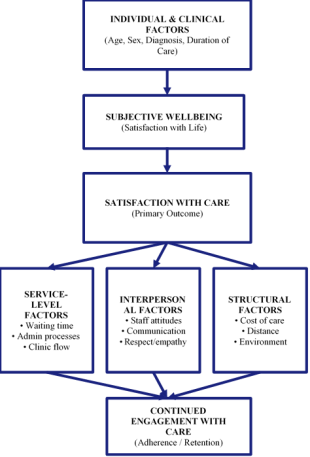
 Email: