Abstract
The principle of justification is one of the fundamental principles of radiation protection, and even the most important one, as it is the first that must be considered before any request for an X-ray examination. The objective of this study is to assess compliance with the justification principle for CT scans performed in the University Hospitals of Ouagadougou through an analysis of the relevance of examination requests. This is a descriptive analytical study combining two approaches, a quantitative approach and a qualitative approach, based on 516 CT scans performed between August 1, 2024, and January 15, 2025. The analysis of justification was based on the consistency between the stated clinical indication and the requested CT scan. This conformity analysis was carried out using the “Good Practice Guidelines” (Guide de Bon Usage, GBU) for medical imaging examinations published by the French Society of Radiology (SFR) and the French Society of Nuclear Medicine (SFMN). Overall, 51 out of the 516 examinations (9.88%) in our study were deemed inappropriate. Among these, males were the most represented, accounting for 74%, with a sex ratio of 2.84. Lumbar and brain CT scans were the most affected by inappropriate requests, with respective rates of 23.53% and 19.61%. Spinal syndromes and tumor and/or abdominal masses were the most common inappropriate indications in our sample, representing 45.1% and 17.7% respectively. Physicians who had received training in radiation protection had a relevance rate of 92.88%, compared to 66.66% among those who had not received such training. Training physicians in radiation protection in general, and in the justification principle in particular, therefore appears to positively influence the relevance of X-ray examination requests, with a p-value of 0.036 (p < 0.05).
|
Published in
|
Science Journal of Public Health (Volume 14, Issue 1)
|
|
DOI
|
10.11648/j.sjph.20261401.14
|
|
Page(s)
|
36-44 |
|
Creative Commons
|

This is an Open Access article, distributed under the terms of the Creative Commons Attribution 4.0 International License (http://creativecommons.org/licenses/by/4.0/), which permits unrestricted use, distribution and reproduction in any medium or format, provided the original work is properly cited.
|
|
Copyright
|
Copyright © The Author(s), 2026. Published by Science Publishing Group
|
Keywords
Training, Indication, Justification, Relevance, Radiation Protection
1. Introduction
Radiology emerged in December 1895 with the discovery of X-rays by the German researcher and physicist Wilhelm RÖNTGEN. This discovery revolutionized medicine as a whole and gave birth to a new science: medical radiology. It encompasses all medical diagnostic techniques used on the human body that provide images to physicians, regardless of the technique used for exploration
| [1] | ZOUNGRANA B. Evaluation des connaissances des praticiens en matière de radioprotection. 2014. |
[1]
. Among the various techniques, there is the X-ray modality, which uses ionizing X-radiation to produce images of the body for diagnostic, follow-up, or therapeutic purposes
| [2] | MONNIE JP et al. Radiodiagnostic. 3é édition France : MASSON ; page 425. |
[2]
. If the use of these X-rays is not properly controlled, it can cause harm to both the patient and the worker, and even to the environment
| [3] | HERVE L, MARTINE M et al. Radioprotection en radiologie médicale. 1ère édition. France: AFNOR; 2006. |
[3]
.
To mitigate these risks, protective measures have been developed—this is known as radioprotection. It consists of all the measures taken to ensure the protection of humans and their environment against the harmful effects of ionizing radiation. It is governed by regulations with standards at both international
| [4] | CIPR. Publication 105. 2010. |
[4]
and national levels
| [5] | ARSN. LOI N 032-2012/AN PORTANT SURETE, SECURITE NUCLEAIRES ET GARANTIES. AN Burkina faso 2012. |
[5]
. These regulations are based on three fundamental principles: justification of the examination, optimization, and dose limitation. However, failure by healthcare professionals—particularly prescribing physicians and radiology personnel—to comply with these principles can lead to unnecessary exposure to ionizing X-rays and even radiation-induced damage ranging from simple inflammatory dermatitis to cancer.
Radioprotection therefore represents a major public health issue, especially in a context of increasing use of ionizing X-rays due to the significant strengthening of technical imaging equipment in the University Teaching Hospitals (CHUs) of Ouagadougou. Proper application of radioprotection in this setting relies on adherence to the principle of justification, for which responsibility is shared between the radiologist and the prescribing physician. This principle requires that before requesting any X-ray examination, the prescribing physician must assess the benefit-risk ratio of the exposure. Poor application of this principle can lead to unnecessary exposure to ionizing X-rays.
Indeed, in Lomé (Togo), Adambounou et al. found in their study on the justification of abdomino-pelvic CT scans that only 66.01% of justifications were good, 32.58% were acceptable, and 0.57% were poor. Moreover, indications were inconsistent with the requested CT scan in 3.4% of cases and non-compliant with the Good Use Guidelines (GBU) in 17.28% of cases
| [6] | K. Adambounou. Analyse de la justification des examens tomodensitométriques thoraciques et/ou abdomino-pelviens réalisés au Togo. Radioprotection ; vol 56 ; N 3; 2021. |
[6]
. In the Central African Republic, Kouandongui et al. found in their study on "prescribers’ knowledge of patient radioprotection" that 83.9% of prescribers did not know that a CT scan is more irradiating than a standard X-ray
| [7] | Kouandongui et al. Connaissance des prescripteurs en radioprotection des patients en Centrafrique. European Scientific Journal ; Edition 12 Vol 15; 2019. |
[7]
. Similarly, Adambounou et al. reported in their study on “Knowledge and attitudes of Togolese medical prescribers regarding medical irradiation during pregnancy” that about 25% of gynecologists did not know that MRI is non-irradiating and 22.8% did not know that CT scanning involves radiation exposure
| [8] | Adambounou K et col. Connaissances et attitudes des prescripteurs médicaux togolais sur l’irradiation médicale de la grossesse. Afrique Biomédicale; 2014. |
[8]
.
The objective of this study is to assess compliance with the principle of justification for CT examinations performed in the University Teaching Hospitals of Ouagadougou, Burkina Faso, between August 1, 2024, and January 15, 2025, through an analysis of the relevance of CT scan requests.
2. Materials and Methods
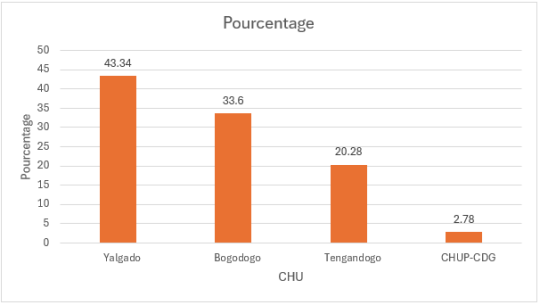
This was a descriptive and analytical study combining two approaches: a quantitative approach and a qualitative approach. It was conducted using the Good Practice Guide for Medical Imaging Examinations (“GBU”), an electronic application created in 2013 by the French Society of Radiology (SFR) and the French Society of Nuclear Medicine (SFMN). The study involved the four University Teaching Hospitals (CHUs) of Ouagadougou, namely CHU-Yalgado OUEDRAOGO, CHU de Bogodogo, CHU de Tengandogo, and the Charles de Gaulle Pediatric CHU, and covered the period from August 1, 2024, to January 15, 2025.
During this period, all clinical information on CT scan request forms was analyzed using the Good Practice Guide for Medical Imaging Examinations (“GBU”), available at http://gbu.radiologie.fr/, developed by the French Society of Radiology and the French Society of Nuclear Medicine, and then classified according to the relevance of the request
.
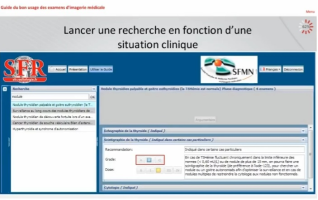
The GBU was created in 2013 under the authority of the Nuclear Safety Authority (ASN) and the French National Health Authority (HAS). It is intended for healthcare professionals to assess the appropriateness of performing an X-ray examination.
Figure 1. Interface of the Good Practice Guide for Medical Imaging (gbu.radiologie.fr) (9).
The application analyzes the clinical information and suggests the appropriate medical imaging examinations, ranked by grade according to the scientific strength of the information provided.
Grade A: Level of relevance solidly established scientifically.
Grade B: Scientific assumptions with an intermediate level of relevance; moderate level.
Grade C: Expert opinion, lower level of evidence or low level of relevance.
The analysis of the clinical information makes it possible to classify X-ray examination requests into two groups: those considered “relevant” and those considered “not relevant.”
1) For relevant requests: These refer to requests in which the clinical information makes it possible to establish compliance between the requested examination and those recommended by the GBU application. They are then classified by grade according to the scientific level defined by the application. Thus:
a) Grade A: indicates a relevant request
b) Grade B: indicates a request with moderate relevance
c) Grade C: indicates a request with low relevance
2) For non-relevant requests: These refer to request forms in which the clinical information does not allow establishing a match between the requested examination and the examinations recommended by the application.
Finally, to assess the impact of radioprotection training on the relevance of X-ray examination prescriptions, all examinations requested by physicians who had received radioprotection training within the past three years were analyzed based on whether their requests were relevant or not. For physicians without training, a sample representing one-quarter of this group also had their requests classified as relevant or not. The results of the two groups were then analyzed through a statistical study using the chi-square test (χ²) with the following hypotheses.
H₀ (null hypothesis): Training has no impact on the relevance of requests.
H₁ (alternative hypothesis): Training has an impact on the relevance of requests.
Data collection was carried out by ourselves and recorded in Excel 2024. Data processing and analysis were also performed using software Excel 2024 and Epi Info 7.
3. Results
A total of 516 computed tomography (CT) scans were performed during the study period.
3.1. Distribution of Examinations by Sex and Age
Table 1. Distribution of Examinations By Sex.
Sex | Frequency (Number) | Percentage |
F | 143 | 27,71 |
M | 373 | 72,28 |
Total | 516 | 100 |
The male sex was the most represented, with 373 examinations out of 516, resulting in a sex ratio of 2.6. The mean age of the patients was 42.63 years, with a range from 6 months to 87 years.
Figure 2. Distribution of Examinations By Healthcare Facility.
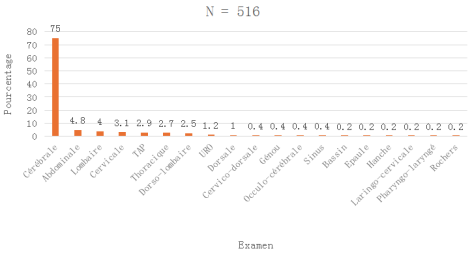
Figure 3. Distribution By Type of Examination.
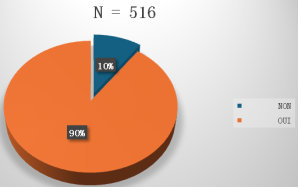
Table 2. Distribution of Examinations According to Clinical Indications.
Indications | Frequency | Percentage |
Headaches, dizziness, or sinusitis | 25 | 4,8 |
Sudden motor deficit | 112 | 21,7 |
Pain and spinal syndrome | 53 | 10,3 |
Pain and limb trauma | 5 | 1 |
Pain and spinal trauma | 1 | 0,2 |
Cervical mass or tumor | 1 | 0,2 |
Abdominal mass, tumor, or trauma | 40 | 7,8 |
Infectious or tumoral pathology | 22 | 4,3 |
Congenital pathologies | 12 | 2,3 |
Ophthalmologic pathologies | 10 | 1,9 |
ENT (ear, nose, and throat) pathologies | 5 | 1 |
Psychiatric pathologies | 8 | 1,6 |
Pulmonary or thoracic pathologies | 12 | 2,3 |
Renal pathologies | 6 | 1,2 |
TCE | 204 | 39,5 |
Total | 516 | 100 |
Table 3. Distribution of Examinations with or Without Contrast Agent Injection.
PDC | Frequency | Percentage |
No | 402 | 77,91 |
yes | 114 | 22,09 |
Total | 516 | 100 |
Figure 4. Distribution of Examinations According to Their Relevance with the Principle of Justification.
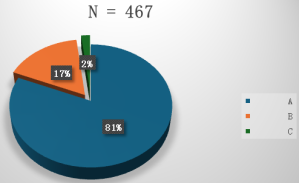
Figure 5. Distribution of Relevant Examinations By Grade.
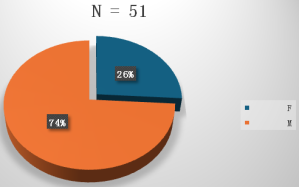
Figure 6. Distribution of Non-Compliant Examinations By Sex.
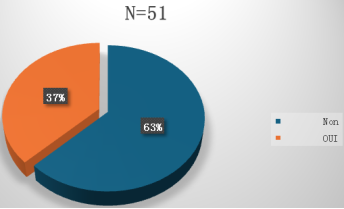
Table 4. Distribution of Non-Relevant Examinations By Type of Examination.
Features | Effective | Percentage |
Lumbar | 12 | 23,53 |
Cerebral | 10 | 19,61 |
Abdominal | 8 | 15,69 |
Cervical | 4 | 7,84 |
Dorso-lumbar | 4 | 7,84 |
Dorsal | 3 | 5,88 |
Cervico-dorsal | 2 | 3,92 |
Oculocerebral | 2 | 3,92 |
Thoracic | 2 | 3,92 |
Shoulder | 1 | 1,96 |
Knee | 1 | 1,96 |
Sinus | 1 | 1,96 |
TAP | 1 | 1,96 |
Total | 51 | 100 |
Figure 7. Distribution of Non-Relevant Examinations with or Without Contrast Agent Injection.
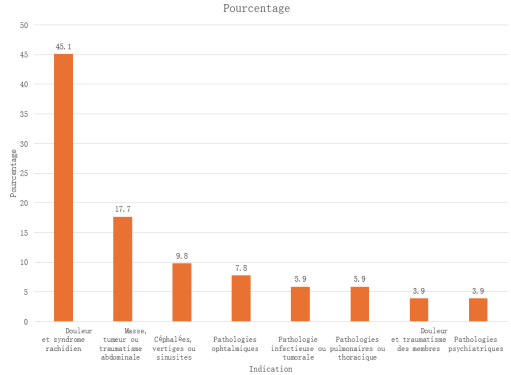
Figure 8. Distribution of Non-Relevant Examinations According to Clinical Indications.

3.2. Evaluation of the Impact of Radioprotection Training on the Relevance of X-ray Examination Requests
A total of 143 X-ray examination requesters agreed to answer our questions regarding the various radioprotection trainings they had received since the beginning of their professional careers. Among these requesters, 13 reported having received at least one radioprotection training, while 130 had not yet received any radioprotection training.
A sample of 49 X-ray examination requesters—including the 13 trained individuals (the total number of trained) and 36 untrained individuals (one-quarter of the total number of untrained)—had their X-ray examination requests analyzed statistically using the chi-square test (χ²).
Among the 13 trained individuals, 12 had relevant requests and 1 had a non-relevant request. Among the untrained, 24 had relevant requests and 12 had non-relevant requests.
This is summarized statistically as follows:
Table 5. Evaluation of the Impact of Radioprotection Training on the Relevance of CT Scan Requests.
Requesters | Frequency | Pertinence | Non pertinent |
Pertinent |
Trained | 13 | 12 | 01 |
Not Trained | 36 | 24 | 12 |
Statistical calculation of the chi-square (χ²):
χ² = Somme ((0-E)² / E²)
Table 6. Evaluation of prescribers trained in radiation protection according to the compliance of CT applications.
Requesters | Effectifs | Pertinence | Non pertinent | P. Value |
Pertinent |
Trained | 12 | 0.99 | 2.23 | 0.036 |
Not Trained | 36 | 0.36 | 0.81 | |
1) χ² total = 0.99 + 2.23 + 0.36 + 0.81 = 4.39
2) Degree of freedom
3) ddl = (2 - 1)(2 - 1) = 1
P-value
4) χ² = 4.39 ; ddl = 1 P-value = 0.036
4. Discussion
4.1. Limitations and Constraints
Our study faced some operational constraints and limitations due to the lack of sufficient literature on the evaluation of the principle of justification based on the analysis of clinical information recorded on CT scan request forms through the GBU.
4.2. Types of Examinations and Patient Sex Ratio and Age
Among the 516 examinations in our sample, 387 were cerebral CT scans, representing 75%. This can be explained by the fact that most CT scan requests come from emergency departments, namely traumatic and medical emergencies. In traumatic emergencies, the majority of requests aim to assess the extent of cranial trauma. For medical emergencies, the goal is to detect the presence or absence of a cerebrovascular accident (stroke) and to determine its type.
Our results are consistent with those of S. S. Traoré et al.
| [11] | Christian COULANGE et al. Tumeurs radio et chimio induites. Progrès en urologie ; vol 12 ; pages 510 à 515; 2002. |
[11]
, who also found cerebral CT scans to be the most requested, though at a lower proportion of 54.44%. The male sex was dominant with a sex ratio of 2.59, which differs from S. S. Traoré et al., who found that female patients were predominant, with a sex ratio of 1.94.
The mean age was 42.64 years, ranging from 6 months to 87 years. These results are similar to those of S. S. Traoré, who reported a mean age of 44.03 years with extremes of 11 months and 90 years. However, they differ from K. Adambounou et al., who reported a mean age of 52.4 years with extremes of 6 and 92 years in their study on the justification of thoracic and/or abdomino-pelvic CT scans in Togo
| [6] | K. Adambounou. Analyse de la justification des examens tomodensitométriques thoraciques et/ou abdomino-pelviens réalisés au Togo. Radioprotection ; vol 56 ; N 3; 2021. |
[6]
.
4.3. Analysis of Examination Relevance
Our study identified a total of 51 non-relevant examinations in terms of clinical information out of 516 examinations, representing 9.88% of cases, compared to 465 examinations judged relevant or acceptable, representing 90.12% of cases. Our results, with minor differences, are broadly similar to those of K. Adambounou et al., who found that clinical indications were well formulated in 66.01% of cases, acceptable in 32.58%, and poor in 0.57% (6). They also reported that indications were inconsistent with the requested CT scan in 3.4% of cases and non-compliant in 17.28% of cases.
Among the 51 non-relevant examinations, 12 were lumbar CT scans (23.53% of cases), followed by cerebral CT scans (19.61%). Nineteen of the 51 non-relevant examinations were performed with iodinated contrast agent injection (37.25% of non-relevant cases), representing 3.68% of the total sample.
These results may be explained by the lack of training on the justification of examinations for prescribers and professionals responsible for performing these examinations, which constitutes unnecessary exposure with risks for patients, radiology technicians, and the environment.
Among non-relevant examinations, the male sex was dominant (74% of cases). Since lumbar and cerebral CT scans are the most affected by non-relevance, patients are exposed to radiation-induced pathologies of organs located in anatomical regions such as the thyroid, lens, prostate, uterus, ovaries, testes, etc.
| [10] | S. S. TRAORE et al. La tomodensitometrie en urgence au Centre Hospitalier Universitaire Sourou SANON : deux (02) années d’expériences. Revue science et technique ; vo. 35 ; N 1 et 2; 2012. |
[10]
.
For non-relevant indications, those related to pain and spinal syndromes were the most represented (45.1% of cases), followed by abdominal tumors, masses, or trauma (17.7%).
Impact of training on request relevance
All clinical information on the request forms of the 13 X-ray examination requesters who had received radioprotection training was relevant in 92.88% of cases. Among untrained requesters, 66.66% of requests were relevant, while 33.34% were non-relevant.
Out of the 49 X-ray requesters surveyed, 13 had received at least one radioprotection training. Analysis of their CT scan requests showed that almost all of their requests were relevant (12 relevant vs. 1 non-relevant). Among the 36 untrained requesters, only 24 had relevant requests, while 12 were deemed non-relevant by the GBU.
Applying the χ² test to the observed data yielded a p-value < 0.05 (p-value < 0.036). Since the p-value is less than 0.05, the null hypothesis (H₀) that radioprotection training has no influence on request relevance is rejected, and the alternative hypothesis (H₁) is confirmed.
It can be concluded that radioprotection training for X-ray requesters, particularly on the principle of justification, positively influences the relevance of X-ray examination requests.
Thus, for requests to be relevant and aligned with radioprotection principles, it is essential to train and retrain physicians in radioprotection culture, particularly regarding adherence to the principle of justification.
5. Conclusion
The analysis of the application of the principle of justification for CT scans in the University Teaching Hospitals of Ouagadougou reveals crucial issues for improving the quality of care and protecting patients and workers exposed to ionizing X-rays. Although efforts have been made to raise awareness among medical staff, particularly prescribers, about the need to justify each examination by considering the benefit-risk ratio, gaps still exist in examination prescriptions. Our study showed that, on average, poor prescriptions accounted for 9.88% of cases.
Several factors may explain this situation, but the most important is the insufficient training or retraining in radioprotection for physicians requesting X-ray examinations. It is imperative to enhance continuing education for healthcare professionals, establish guidelines for appropriate prescriptions, and promote a culture of prescriber responsibility, as training positively and significantly influences the relevance of X-ray examination requests (p-value = 0.036).
In a resource-limited country, rigorous application of the principle of justification is not only an ethical necessity but also essential to ensure the effectiveness and sustainability of a sound healthcare system.
Abbreviations
SFMN | French Society of Nuclear Medicine |
GBU | Good Use Guide |
CHU | University Hospital Centers |
CHUP-CDG | Charles De Gaulle University Pediatric Hospital |
ASN | Nuclear Safety Authority |
HAS | High Authority for Health |
Rayons X | X-ray |
SFR | French Society of Radiology |
TCE | Traumatic Brain Injury |
ORL | Ondonto-Rhino-Laryngology |
ENT | Ear, Nose, and Throast |
TAP | Thoracic-Abdominal-Pelvic |
TDM | CT Scan |
Author Contributions
Mohamed Kanazoe: Conceptualization, Data curation, Formal Analysis, Funding acquisition, Investigation, Methodology, Resources, Validation, Visualization, Writing – original draft, Writing – review & editing
Alphonse Sako Avocefohoun: Data curation, Formal Analysis, Methodology, Resources, Software, Supervision, Validation, Visualization, Writing – original draft, Writing – review & editing
Gilles David Houndetoungan: Supervision, Validation, Visualization
Parfait Segla Alohoutade: Supervision, Validation, Visualization
Papin Sourou Montcho: Supervision, Validation, Visualization, Writing – review & editing
Rose Mikponhoue: Supervision, Validation, Visualization, Writing – review & editing
Alassane Abdou Karim Youssao: Supervision, Validation, Visualization
Worou Nicodeme Chabi: Supervision, Validation, Writing – review & editing
Lamine Said Baba-Moussa: Supervision, Validation, Visualization
Virgile Ahyi: Supervision, Validation, Visualization, Writing – review & editing
Conflicts of Interest
The authors declare that they have no known competing financial interests or personal relationships that could have appeared to influence the work reported in this paper.
References
| [1] |
ZOUNGRANA B. Evaluation des connaissances des praticiens en matière de radioprotection. 2014.
|
| [2] |
MONNIE JP et al. Radiodiagnostic. 3é édition France : MASSON ; page 425.
|
| [3] |
HERVE L, MARTINE M et al. Radioprotection en radiologie médicale. 1ère édition. France: AFNOR; 2006.
|
| [4] |
CIPR. Publication 105. 2010.
|
| [5] |
ARSN. LOI N 032-2012/AN PORTANT SURETE, SECURITE NUCLEAIRES ET GARANTIES. AN Burkina faso 2012.
|
| [6] |
K. Adambounou. Analyse de la justification des examens tomodensitométriques thoraciques et/ou abdomino-pelviens réalisés au Togo. Radioprotection ; vol 56 ; N 3; 2021.
|
| [7] |
Kouandongui et al. Connaissance des prescripteurs en radioprotection des patients en Centrafrique. European Scientific Journal ; Edition 12 Vol 15; 2019.
|
| [8] |
Adambounou K et col. Connaissances et attitudes des prescripteurs médicaux togolais sur l’irradiation médicale de la grossesse. Afrique Biomédicale; 2014.
|
| [9] |
French Society of Radiology (SFR). Guide to the proper use of medical imaging examinations. Available at:
https://www.gbu.radiologie.fr
2005.
|
| [10] |
S. S. TRAORE et al. La tomodensitometrie en urgence au Centre Hospitalier Universitaire Sourou SANON : deux (02) années d’expériences. Revue science et technique ; vo. 35 ; N 1 et 2; 2012.
|
| [11] |
Christian COULANGE et al. Tumeurs radio et chimio induites. Progrès en urologie ; vol 12 ; pages 510 à 515; 2002.
|
Cite This Article
-
APA Style
Kanazoe, M., Avocefohoun, A. S., Houndetoungan, G. D., Alohoutade, P. S., Montcho, P. S., et al. (2026). Analysis of Compliance with the Principle of Justification for CT Scans Performed in the University Hospitals of Ouagadougou, Burkina Faso. Science Journal of Public Health, 14(1), 36-44. https://doi.org/10.11648/j.sjph.20261401.14
Copy
|
Download
ACS Style
Kanazoe, M.; Avocefohoun, A. S.; Houndetoungan, G. D.; Alohoutade, P. S.; Montcho, P. S., et al. Analysis of Compliance with the Principle of Justification for CT Scans Performed in the University Hospitals of Ouagadougou, Burkina Faso. Sci. J. Public Health 2026, 14(1), 36-44. doi: 10.11648/j.sjph.20261401.14
Copy
|
Download
AMA Style
Kanazoe M, Avocefohoun AS, Houndetoungan GD, Alohoutade PS, Montcho PS, et al. Analysis of Compliance with the Principle of Justification for CT Scans Performed in the University Hospitals of Ouagadougou, Burkina Faso. Sci J Public Health. 2026;14(1):36-44. doi: 10.11648/j.sjph.20261401.14
Copy
|
Download
-
@article{10.11648/j.sjph.20261401.14,
author = {Mohamed Kanazoe and Alphonse Sako Avocefohoun and Gilles David Houndetoungan and Parfait Segla Alohoutade and Papin Sourou Montcho and Rose Mikponhoue and Alassane Abdou Karim Youssao and Worou Nicodeme Chabi and Lamine Said Baba-Moussa and Virgile Ahyi},
title = {Analysis of Compliance with the Principle of Justification for CT Scans Performed in the University Hospitals of Ouagadougou, Burkina Faso},
journal = {Science Journal of Public Health},
volume = {14},
number = {1},
pages = {36-44},
doi = {10.11648/j.sjph.20261401.14},
url = {https://doi.org/10.11648/j.sjph.20261401.14},
eprint = {https://article.sciencepublishinggroup.com/pdf/10.11648.j.sjph.20261401.14},
abstract = {The principle of justification is one of the fundamental principles of radiation protection, and even the most important one, as it is the first that must be considered before any request for an X-ray examination. The objective of this study is to assess compliance with the justification principle for CT scans performed in the University Hospitals of Ouagadougou through an analysis of the relevance of examination requests. This is a descriptive analytical study combining two approaches, a quantitative approach and a qualitative approach, based on 516 CT scans performed between August 1, 2024, and January 15, 2025. The analysis of justification was based on the consistency between the stated clinical indication and the requested CT scan. This conformity analysis was carried out using the “Good Practice Guidelines” (Guide de Bon Usage, GBU) for medical imaging examinations published by the French Society of Radiology (SFR) and the French Society of Nuclear Medicine (SFMN). Overall, 51 out of the 516 examinations (9.88%) in our study were deemed inappropriate. Among these, males were the most represented, accounting for 74%, with a sex ratio of 2.84. Lumbar and brain CT scans were the most affected by inappropriate requests, with respective rates of 23.53% and 19.61%. Spinal syndromes and tumor and/or abdominal masses were the most common inappropriate indications in our sample, representing 45.1% and 17.7% respectively. Physicians who had received training in radiation protection had a relevance rate of 92.88%, compared to 66.66% among those who had not received such training. Training physicians in radiation protection in general, and in the justification principle in particular, therefore appears to positively influence the relevance of X-ray examination requests, with a p-value of 0.036 (p < 0.05).},
year = {2026}
}
Copy
|
Download
-
TY - JOUR
T1 - Analysis of Compliance with the Principle of Justification for CT Scans Performed in the University Hospitals of Ouagadougou, Burkina Faso
AU - Mohamed Kanazoe
AU - Alphonse Sako Avocefohoun
AU - Gilles David Houndetoungan
AU - Parfait Segla Alohoutade
AU - Papin Sourou Montcho
AU - Rose Mikponhoue
AU - Alassane Abdou Karim Youssao
AU - Worou Nicodeme Chabi
AU - Lamine Said Baba-Moussa
AU - Virgile Ahyi
Y1 - 2026/01/26
PY - 2026
N1 - https://doi.org/10.11648/j.sjph.20261401.14
DO - 10.11648/j.sjph.20261401.14
T2 - Science Journal of Public Health
JF - Science Journal of Public Health
JO - Science Journal of Public Health
SP - 36
EP - 44
PB - Science Publishing Group
SN - 2328-7950
UR - https://doi.org/10.11648/j.sjph.20261401.14
AB - The principle of justification is one of the fundamental principles of radiation protection, and even the most important one, as it is the first that must be considered before any request for an X-ray examination. The objective of this study is to assess compliance with the justification principle for CT scans performed in the University Hospitals of Ouagadougou through an analysis of the relevance of examination requests. This is a descriptive analytical study combining two approaches, a quantitative approach and a qualitative approach, based on 516 CT scans performed between August 1, 2024, and January 15, 2025. The analysis of justification was based on the consistency between the stated clinical indication and the requested CT scan. This conformity analysis was carried out using the “Good Practice Guidelines” (Guide de Bon Usage, GBU) for medical imaging examinations published by the French Society of Radiology (SFR) and the French Society of Nuclear Medicine (SFMN). Overall, 51 out of the 516 examinations (9.88%) in our study were deemed inappropriate. Among these, males were the most represented, accounting for 74%, with a sex ratio of 2.84. Lumbar and brain CT scans were the most affected by inappropriate requests, with respective rates of 23.53% and 19.61%. Spinal syndromes and tumor and/or abdominal masses were the most common inappropriate indications in our sample, representing 45.1% and 17.7% respectively. Physicians who had received training in radiation protection had a relevance rate of 92.88%, compared to 66.66% among those who had not received such training. Training physicians in radiation protection in general, and in the justification principle in particular, therefore appears to positively influence the relevance of X-ray examination requests, with a p-value of 0.036 (p < 0.05).
VL - 14
IS - 1
ER -
Copy
|
Download