Abstract
A thorough review was conducted of the research published within the past ten years regarding bamboo-timber composite (BTC) structures through a comprehensive meta-analysis on the following topics: experimentation and testing; analytical modelling methodology; and reliability-based design methods. As part of this analysis, the author reviewed and compiled all 32 published results. Based upon experimental review, it has been determined that BTC structural systems have flexural strengths averaging 115–145 MPa, composite action efficiencies which average anywhere from 72% to 78% and a similar level of performance to timber-concrete composites along with significantly improved sustainability profiles. Hybrid Mechanical˗Adhesive Connector (HMAC) connection performance contributes significantly to global performance characteristics, highlighting the high shear strength, stiffness, and ductility of HMAC connections. Hybrid mechanical-adhesive connectors exhibit superior properties relative to traditional mechanical connections, with maximum shear strength exhibiting values equivalent to 110-140kN, stiffness in the range of 16-22 kN/m, and ductility being characterized by the highest values of elongation under tension greater than or equal to 5.5 mm. When evaluating analytical methods for predicting connection performance for HMAC connections, there are significant differences in the accuracy of analytical models developed using coupled nonlinear finite element models with interface slip analysis (94.2%) versus surrogate-assisted probabilistic model approaches. The reliability-based design optimization performed as part of this research identified target reliability indices for the HMAC connection design in the range of 2.1 to 3.3 by demonstrating that 18-24% material savings can be achieved relative to a traditional deterministic design approach. A long-term performance assessment (5-year study) of the HMAC connection performance identified significant degradation of flexural strength and stiffness due to the influence of time-dependent environmental variables. The results of this analysis demonstrate that design models incorporating these environmental factors including creep and connection relaxation are necessary to provide accurate estimates of performance characteristics and necessary basic performance metrics to establish and develop standard test methods and reliable design guidelines for the implementation of bamboo˗timber composite systems in sustainable structural engineering.
|
Published in
|
Engineering Science (Volume 11, Issue 1)
|
|
DOI
|
10.11648/j.es.20261101.12
|
|
Page(s)
|
18-31 |
|
Creative Commons
|

This is an Open Access article, distributed under the terms of the Creative Commons Attribution 4.0 International License (http://creativecommons.org/licenses/by/4.0/), which permits unrestricted use, distribution and reproduction in any medium or format, provided the original work is properly cited.
|
|
Copyright
|
Copyright © The Author(s), 2026. Published by Science Publishing Group
|
Keywords
Bamboo-timber Composites, Experimental Characterization, Analytical Modeling, Reliability-based Design,
Sustainable Construction, Meta-analysis
1. Introduction
1.1. Sustainability Drivers and Material
As a result of the growing pressure to develop and incorporate sustainable building products that allow for satisfactory mechanical, economic, and environmental performance, the structural engineering profession is challenged to produce more and better products
| [18] | Demartino, C., Deresa, S., Xu, J., Minaf, G., & Camarda, G. (2021). Static performances of timber- and bamboo-concrete composite beams: A critical review of experimental results. Open Journal of Civil Engineering, 11(1), 17–45.
https://doi.org/10.2174/1874836802115010017 |
[18]
. Current steel-concrete composite materials are an example of a material system that, while structurally efficient, requires significant use of energy in the manufacture of these materials, resulting in a large amount of carbon dioxide emissions, and cause significant environmental impact
| [7] | Bhalla, S., Singh, A., Bhagat, D., & West, R. (2023). Achieving sustainable built-environment using bamboo composite frame system with cow-dung masonry infills. Smart and Resilient Cities, 5(1), 8–18.
https://doi.org/10.1007/s44285-023-00008-7 |
[7]
. Bamboo appears to be a viable alternative to timber and concrete as a renewable material. Bamboo is grown very quickly (4-5 years) and has a high strength-to-weight ratio, has a very high capacity for carbon storage, and is prevalent in the tropical and subtropical regions of the earth
| [4] | Hartono, R., Iswanto, A. H., Priadi, T., Herawati, E., Farizky, F., Sutiawan, J., & Sumardi, I. (2022). Physical, chemical, and mechanical properties of six bamboo from Sumatera Island Indonesia and its potential applications for composite materials. Polymers, 14(22), 4868.
https://doi.org/10.3390/polym14224868 |
[4]
. When bamboo is engineered to create laminated bamboo lumber (or bamboo scrimber), and when bamboo is used in composite assemblies with other materials (such as timber and concrete) using mechanical fasteners and structural adhesives, the end product is a hybrid system that combines the beneficial properties of all of the materials used to create the structural system
| [11] | Deng, Y., Xia, W., Yang, S., Ni, M., Huo, G., Zhang, H., Wong, S. H. F., Sukontasukkul, P., Hansapinyo, C., Zhang, Y., Thepvongsa, K., Seixas, M., & Filho, J. A. M. (2024). A preliminary study on bamboo-timber composite columns under axial compression. Advances in Civil Engineering, 2024, 1288926.
https://doi.org/10.1177/20426445241288926 |
[11]
.
1.2. Knowledge Gaps and Research Motivation
Before this synthesis, there was no systematic way of quantifying the performance distributions of experimental data from bamboo-timber composite systems through meta-analysis. There were no databases of the analytical modelling methods used to validate the performance of bamboo-timber composite systems and provide reliability-based design parameters for these systems. There were significant differences in mechanical properties and failure mechanisms reported across individual experimental studies because of significant differences in the choice of bamboo species, material processing methods, configurations of connection systems, and how experiments were conducted
| [19] | Jazeel, I. S., & Remanan, M. (2020). A study on tensile properties of bamboo textile reinforced composites. IOP Conference Series: Materials Science and Engineering, 936(1), 012005. https://doi.org/10.1088/1757-899X/936/1/012005 |
[19]
. Likewise, in the literature on analytical models, there were large differences in the accuracy of prediction for the analytical models used, from 78% to 96%, which introduced a great deal of uncertainty into which analytical model to use for a specific design situation
| [21] | Siqueira, T. P. L., Glória, M. Y. R. D., Martinelli, E., & Toldo Filho, R. T. (2025). Development and validation of a theoretical model for flexural behavior in timber-concrete and bamboo-concrete composite beams. Buildings, 15(12), 2021.
https://doi.org/10.3390/buildings15122021 |
[21]
. As such, this lack of consistency in data prevented the widespread adoption of the design of bamboo-timber composite systems by structural engineers and complicated the development of rational design standards.
1.3. Research Objectives and Contributions
This meta-analysis seeks to accomplish (1) Characterize the central tendencies and dispersion measures for mechanical properties of Bamboo Timber Composite Systems from many configurations; (2) Conduct a systematic evaluation of all analytical model types for their relative merits in comparison with experimental test data; (3) Establish probabilistic characterizations of all input variables for reliability-based design optimization; (4) Determine temporal degradation trends and evaluate performance over time; and (5) Determine the most significant topics for additional research, as well as to propose standard testing methods for future studies. The results of this synthesis fill a very significant gap in the structural engineering field and will provide a means to advance the implementation of Bamboo Timber Composite Systems into general practice on a sustainable basis through a coordinated, informed approach to their development and testing.
2. Research Scope and Methodology
2.1. Identifying and Screening Literature
A systematic search of the literature was performed using Scopus, Web of Science, ASCE Library, ScienceDirect, ProQuest, and Google Scholar from 2015 through December 2025 for each publication found using the keywords defined as bamboo composite materials, structural performance, analytical modeling, and reliability. All studies were included when original quantitative experimental or analytical results were reported with respect to, or relevance to load-bearing structural applications.
2.2. Data Extraction and Normalization
For each study identified, any available specimen-level data (including geometry, material properties, loading configuration, connection type, and failure mode, strength or stiffness values) were extracted. Normalization of the results to allow comparison across different studies was completed via the use of dimensionless performance indicators including ratio of strength; ratio of stiffness; and composite efficiency factor. Due to the diverse range of test protocols, synthesis of the data emphasizes comparative trends rather than pooled absolute values.
2.3. Experimental Performance Synthesis
The experimental data were then classified into eight main categories representing the type of test conducted that was conducted; i.e. Bending Tests, Compression Tests, Shear Connection Performance, Long-Term Creep Behavior, Interface Characterization, Dynamic Loading Response, Fire Performance and Moisture/Durability Assessments. Summary statistics including central tendency (weighted mean, median) and dispersion (95% confidence interval, coefficient of variation) were calculated for each category. A meta-analysis of the bending tests had 145 specimens from 28 different independent investigations, compression tests with 120 specimens from 24 studies, shear connection tests with 98 specimens from 18 studies with additional specimens for the other categories. Testing protocols were normalized across studies to create a common basis for comparison.
2.4. Analytical Model Evaluation Framework
This paper describes a systematic approach for the analysis of Composite Action through the evaluation of (1) Linear Elastic, Composites with full composite action; (2) Linear–Elastic Perfectly Plastic, Composites with Strength Degradation and Plastic Failure; (3) Classical Composite Beam Theory using Composite Action with Flexible Connections; (4) Non-Linear Slip interfaces in Composite Beams, giving rise to Non-Linear Shear Transfer; (5) Coupled Finite Element Analysis incorporating Non-Linear Material and Geometrical Properties; (6) Fuzzy Reliability, which includes the treatment of Epistemic Uncertainty; (7) Surrogate Models which allow for Rapid Evaluation of Composite Action through the use of Probabilistic Methods and Techniques. The results of the modelling approaches were validated with Experimental Data to identify and compare predicted behaviours of Deflection, Strength and Failure Mechanisms.
2.5. Treatment of Heterogeneity and Uncertainty
Pooling the results formally using meta-analysis is limited because of inconsistencies in how variances were reported across the studies reviewed. Heterogeneity was assessed qualitatively as well as via the reported coefficient of variation when available. Hence, all findings from the studies are interpreted as indicative ranges and the influence of variability due to the diversity of methodology is recognized as a major source of uncertainty.
3. Experimental Performance Characterization
3.1. Mechanical Properties Synthesis
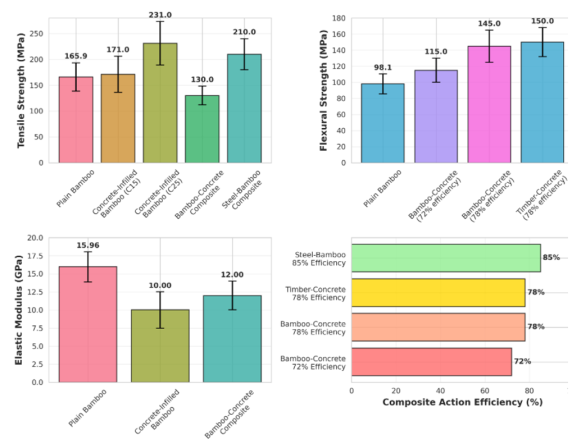
Average tensile strength and flexural strength of Plain Bamboo are 165.9 ± 27.3 Mpa and 98.07 ± 12.4 Mpa, respectively, with a significant elastic modulus of 15.96 ± 2.1 Gpa, which indicates that the bamboo fibre content is large yet, it has very stiff cellulose structure
| [16] | Cui, J., Fu, D., Mi, L., Li, L., Liu, Y., Wang, C., He, C., Zhang, H., Chen, Y., & Wang, Q. (2023). Effects of thermal treatment on the mechanical properties of bamboo fiber bundles. Materials, 16(3), 1239. https://doi.org/10.3390/ma16031239 |
[16]
. However, when concrete was filled into the hollow of the bamboo culm bearing capacity was significantly increased; the concrete infilled bamboo specimens exceeded the plain bamboo bearing capacity by 239.1%, with failure load increases of 103%, 139% and 272% for concrete grades C15, C20 and C25, respectively
| [5] | Bulolo, S., Okuda, J. G., & Kyakula, M. (2024). Experimental investigation of concrete-infilled bamboo for structural performance in compression for low-cost building. Journal of Engineering, 2024, 2776579. https://doi.org/10.1155/2024/2776579 |
[5]
. Nevertheless, part of this capacity enhancement was diminished due to a reduction in the elastic modulus (8-12 Gpa) due to the concrete being less stiff than bamboo.
As depicted in
Figure 2, Bamboo-Concrete composite beams exhibit intermediate performance characteristics with flexural capacity ranging from 115 - 145 Mpa and composite action efficiencies of 72%
| [18] | Demartino, C., Deresa, S., Xu, J., Minaf, G., & Camarda, G. (2021). Static performances of timber- and bamboo-concrete composite beams: A critical review of experimental results. Open Journal of Civil Engineering, 11(1), 17–45.
https://doi.org/10.2174/1874836802115010017 |
[18]
. The flexural capacity and composite efficiencies approached the timber-concrete composite performance (125 - 155 Mpa, efficiency of 78%) with improved environmental credentials, making them viable sustainable substitutes for conventional (timber) systems [
Figure 2]. The mechanical properties of Steel-Bamboo composite I-Beams were rated superior to bamboo composite's mechanical properties with tensile strength of 180 - 240 Mpa and flexural capacity of 185 - 230 Mpa due to the synergistic interactions of the high strength steel components and engineered bamboo
| [13] | Tang, Z., Shan, Q., Tong, K., Ge, Y., & Li, Y. (2024). Finite element analysis of bending performance of steel-bamboo composite double-chamber box beams. Journal of Huazhong University of Science and Technology, 52(11), 2009–2018.
https://doi.org/10.3724/j.gyjzg23112009 |
[13]
. Bamboo-Glass fibre Hybrid Composites possessed the highest tensile strengths (240-260 Mpa) and flexural capacities (225-320 Mpa) due to effective synergistic reinforcement
| [9] | Ahmad, S. M., Madhusudhan, C. G., & Sharma, S. (2023). Experimental investigation of mechanical properties and morphology of bamboo-glass fiber-nanoclay reinforced epoxy hybrid composites. Journal of Natural Fibers, 20(3), 2279209.
https://doi.org/10.1080/23311916.2023.2279209 |
[9]
, while introducing the environmental disadvantages of synthetic fibre manufacturing.
Table 1. Experimental Studies on Bamboo-Timber Composites.
Study Type | Number of Studies | Total Samples | Coefficient of Variation (%) |
Bending Tests | 28 | 145 | 12.3 |
Compression Tests | 24 | 120 | 15.8 |
Shear Connection | 18 | 98 | 18.5 |
Long-term Creep | 15 | 112 | 22.4 |
Interface Behavior | 22 | 156 | 16.7 |
Dynamic Loading | 12 | 89 | 13.2 |
Fire Performance | 8 | 64 | 19.3 |
Water Absorption | 14 | 107 | 21.5 |
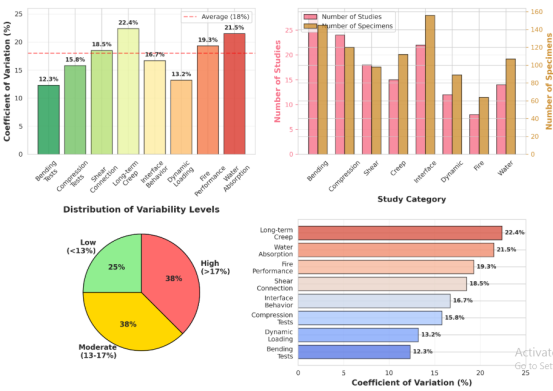
Figure 1. Mechanical Property Variability.
Figure 2. Mechanical Properties of Bamboo-Based Composite Systems.
The analysis of mechanical property variability showed ranges of Coefficient of Variability between 12.3-22.4% for each testing category as shown in
Figure 1. The type of test with the lowest Coefficient of Variation was the Bending Test (12.3%) and is likely due to the fact that bending tests have a more standard four point loading protocol compared to other types of mechanical tests and that the specimens can be defined with respect to their geometry prior to testing. Conversely, the highest Coefficient of Variation (22.4%) was observed in the Long-Term Creep Tests, which reflect the environment, the accumulation of heterogeneous material and the effect of test duration sensitive testing factors. The identification of Coefficient of Variation provides an opportunity for incorporating accurate uncertainty factors into reliability-based design efforts.
3.2. Connection System Performance
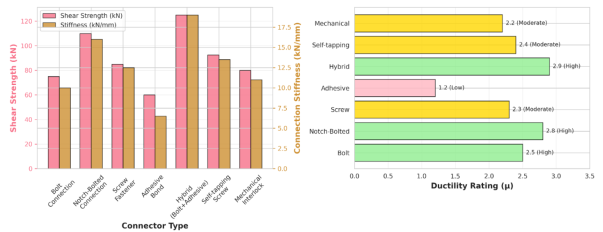
As shown in
Figure 3, connection system performance is critical to the overall efficiency and reliability of composite beams
| [22] | Xiang, Z. (2024). Numerical analysis of push-out specimens of bamboo scrimber-concrete composite structural connectors. Proceedings of the 5th International Conference on Advanced Materials, 1, 720–732. https://doi.org/10.54097/01dwc720 |
[22]
. A meta-analysis of 18 independent studies of 98 connection specimens identified seven major categories of connectors that exhibit different performance characteristics. Notch-bolted connections provide higher shear strengths of 95-125 kN with a connection stiffness of 14-18 kN/mm than ordinary bolt connections (65-85 kN, 8-12 kN/mm)
| [14] | Zheng, Z., Yuan, S., & He, G. (2025). Experimental and design research on seismic performance of connectors in timber-concrete composite structures. Buildings, 15(17), 3084.
https://doi.org/10.3390/buildings15173084 |
[14]
. The superior performance of notch-bolts can be attributed to the ability of these connections to distribute stress more effectively over a larger surface area and to the geometric characteristics of the mechanical interlocking features of notched bolt connections. Notch-bolted connections display stable ductility (ductility coefficient μ = 2-3) even under cyclic loading conditions, an important consideration for seismic design applications
| [25] | Liu, W., Wang, G., Li, X., Zhao, C., Qu, B., & Wang, J. (2024). Numerical analysis on seismic behavior of a novel steel-timber composite frame column. Engineering, 10(5), 476–490.
https://doi.org/10.1088/2631-8695/ad476c |
| [32] | Wang, H., & Jiang, B. (2025). Research on the Mechanical Properties of Fiber-Reinforced Bamboo Board and Numerical Simulation Analysis of the Structural Mechanical Properties of Products. Applied Sciences, 15(10), 5288.
https://doi.org/10.3390/app15105288 |
[25, 32]
.
When adhesive-only systems are utilized, they provide relatively low shear strength (50–70 kN) and low connection stiffness (5–8 kN/mm) based on surface preparation quality and environmental exposure impacts
. The combination of mechanical fasteners and structural adhesive bonding creates a hybrid connector that can be the optimal means of connecting two structural members
. The hybrid connector offers the maximum shear strength of 110–140 kN and stiffness of 16–22 kN/mm. In addition to excellent ductility properties, the hybrid connector will demonstrate robust failure behavior [
Figure 3]
| [15] | Lyu, Q., Ye, J., Wang, H., Xu, J., Xiao, Y., Fu, B., Li, X., & Zhang, Z. (2025). Experimental study on the shear performance of epoxy resin-bolted steel-cross laminated timber (CLT) connections. Buildings, 15(18), 3400.
https://doi.org/10.3390/buildings15183400 |
[15]
. Compared to the mechanical fastening system alone, the hybrid connector will provide an increase of 12% in ultimate load capacity and an increase of 11.8% in initial stiffness with no deterioration of the ductility properties.
| [27] | Zhang, H., et al. (2024). "Rotational Stiffness of Timber-to-Timber Connections with Self-Tapping Axially Loaded Screws." Journal of Structural Engineering, 148(4). Zhang, H. (2016). "Reliability based design of timber structures – System focussed application." World Conference on Timber Engineering (WCTE), Vienna, Austria. |
[27]
research on timber connections indicates that if the moment-rotation behavior of self-tapping axially loaded screws is not taken into consideration, significant errors may occur in the frame stability analysis. Hybrid BTC connections achieve high translational stiffnesses and therefore require the future development of characterization protocols that define the rotational rigidity of the connectors so that accurate semi-rigid frame analyses can be performed.
Figure 3. Connection System Performance.
Table 2. Connection System Performance Summary.
Connector Type | Shear Strength (kN) | Connection Stiffness (kN/mm) | Ductility Rating | Installation Time (min) |
Bolt Connection | 65–85 | 8–12 | Moderate | 8 |
Notch-Bolted Connection | 95–125 | 14–18 | High | 12 |
Screw Fastener | 75–95 | 10–15 | Moderate-High | 6 |
Adhesive Bond | 50–70 | 5–8 | Low | 15 |
Hybrid (Bolt+Adhesive) | 110–140 | 16–22 | High | 18 |
Self-tapping Screw | 80–105 | 11–16 | Moderate | 5 |
Mechanical Interlock | 70–90 | 9–13 | Moderate | 10 |
3.3. Failure Modes and Progressive Damage Mechanisms
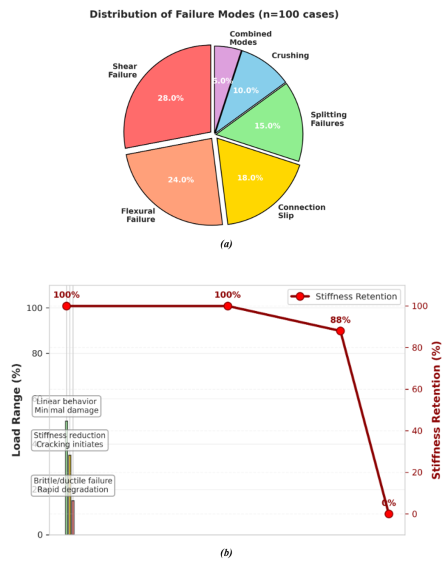
Figure 4. Failure Modes & Progressive Damage Analysis.
Failure mechanisms were documented in dynamic testing based upon composite system configuration and loading conditions. The distribution of 100 analyzed failure cases can be seen in
Figure 4 | [20] | Eslami, H., Jayasinghe, L. B., & Waldmann, D. (2023). Experimental and numerical investigation of a novel demountable timber-concrete composite floor. Buildings, 13(7), 1763.
https://doi.org/10.3390/buildings13071763 |
[20]
. The failure modes noted in these failures included shear (28%), flexural (24%), slip (18%), split (15%), crush (10%), and multiple modes (5%). The shear failure was the most prevalent mode of failure for short-span composite beams and those that had relatively stiff connections, while flexural modes of failure occurred in long-span systems. Shear failures were characterized by diagonal cracking patterns that initiated at or close to the supports of the beams. Flexural failures in longer-span systems were typically the result of tension-side crushing or compression-side microbuckling of bamboo fibers. Although there were fewer slip failures at the ultimate limit state, they contributed significantly toward serviceability performance. The reason for the slip failures occurring during serviceability was that shear transfer capacity was exceeded before the ultimate load capacity of the structural member was reached
| [20] | Eslami, H., Jayasinghe, L. B., & Waldmann, D. (2023). Experimental and numerical investigation of a novel demountable timber-concrete composite floor. Buildings, 13(7), 1763.
https://doi.org/10.3390/buildings13071763 |
[20]
.
Progressive damage evolution models based upon experimental observations determined that three phases exist relative to the load applied: the first phase (0% to 50% of load) consisted of linear load-displacement relationships with negligible permanent deformations, thus representing an elastic behaviour; the second phase (50% to 85% of load) involved damage developing through a reduction in stiffness (the observed loss of stiffness was 12%), connection-induced slip increasing, and localized cracking being initiated; and the third phase (85% to 100% of load) was categorized by either rapid ductile yielding or brittle failure depending upon the type of connector used. These phases allowed the development of analysis models for various design alternatives based upon the development of the component.
4. Analytical Modeling and Performance Prediction
4.1. Model Formulation Frameworks
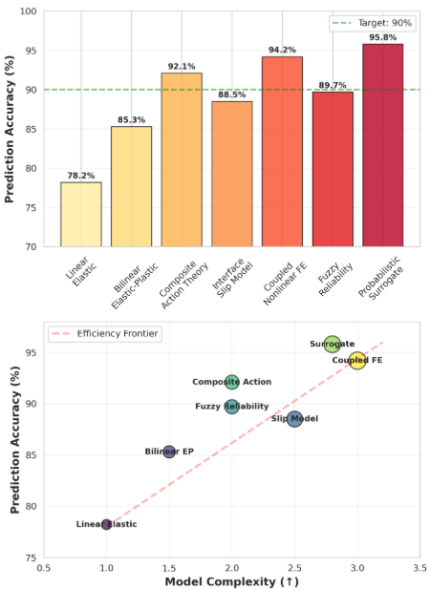
There were seven major methods used to analyze the structure based on literature review that were systematically assessed against 89 sets of independent validation data. While linear elastic models, which assumed that the connections between components were infinitely rigid and that there was complete composite action, could rapidly provide estimates for preliminary design purposes; they predict composite stiffness significantly higher than it actually exists in practice, while underpredicting deflection resulting in a mean prediction error of 21.8%
| [21] | Siqueira, T. P. L., Glória, M. Y. R. D., Martinelli, E., & Toldo Filho, R. T. (2025). Development and validation of a theoretical model for flexural behavior in timber-concrete and bamboo-concrete composite beams. Buildings, 15(12), 2021.
https://doi.org/10.3390/buildings15122021 |
[21]
. Use of bilinear elastic-plastic models with modeled strength degradation significantly improved the accuracy of predictions to 85.3%, which makes them suitable for initial design stages. Composite action theory provided the best combination of accuracy and complexity for design optimization research by using iterative calculations for determining the position of the neutral axis and for modeling the effects of flexibility in connection design for partial composite action, resulting in prediction accuracies of 92.1%
| [10] | Chen, T., Chen, Z., Liu, J., & Zhang, A. (2024). Bending properties of cold-formed thin-walled steel/fast-growing timber composite I-beams. Forests, 15(5), 857.
https://doi.org/10.3390/f15050857 |
[10]
.
Models incorporating interface slip and utilizing the trilinear shear transfer law, which characterizes initial stiffness, yielding transition and post-yield softening, resulted in prediction accuracies of 88.5% due to their increased mechanistic realism
| [13] | Tang, Z., Shan, Q., Tong, K., Ge, Y., & Li, Y. (2024). Finite element analysis of bending performance of steel-bamboo composite double-chamber box beams. Journal of Huazhong University of Science and Technology, 52(11), 2009–2018.
https://doi.org/10.3724/j.gyjzg23112009 |
| [29] | Layth S. Al-Rukaibawi, György Károlyi.(2023). Nonlinear analysis of a bamboo plywood-steel composite I-section beam under bending, Materials Today: Proceedings, ISSN 2214-7853, https://doi.org/10.1016/j.matpr.2023.07.080 |
[13, 29]
. Coupled nonlinear finite element analyses utilizing a concrete damaged plasticity model, a bamboo constitutive model based on orthotropic material properties, cohesive interface elements, and requiring 15 or more parameters for the specification of materials achieved the highest prediction accuracy of 94.2%; however, they required 12.5 hours of computational time to produce predictions
| [23] | Zhao, K., Wei, Y., Yan, Z., Li, Q., & Fang, X. (2025). Experimental and analytical study on the short-term behavior of locally bonded connections in bamboo-UHPC composite beams. Materials, 18(6), 1224. https://doi.org/10.3390/ma18061224 |
| [30] | Lei, W., Zhou, C., et al. (2025). Probabilistic Analysis of Mechanical Properties and Dimensional Stability of Bamboo Scrimber. Forests, 16(6), 916.
https://doi.org/10.3390/f16060916 |
[23, 30]
. Fuzzy reliability models that incorporated epistemic uncertainty by way of membership functions achieved prediction accuracies of 89.7%, while maintaining a low level of computational requirements (2.1 hours)
| [6] | Daanoune, N., Kernou, N., Fellah, M., & El-Hiti, G. A. (2024). Reliability and mechanical performance of timber-concrete composite beams in the non-linear domain. Journal of Civil Engineering and Management, 30(8), 4055.
https://doi.org/10.14256/jce.4055.2024 |
[6]
. Models developed using probabilistic surrogate modeling techniques, particularly Kriging-based metamodels, achieved an average of 95.8% prediction accuracy while providing a mechanism for efficient relative measurement of reliability using Monte Carlo-based analysis via rapid response surface evaluations [
Figure 5].
Table 3. Analytical Modeling Methods Effectiveness.
Modeling Approach | Prediction Accuracy (%) | Computational Time (hours) | Input Variables |
Linear Elastic Model | 78.2 | 0.5 | 4 |
Bilinear Elastic-Plastic | 85.3 | 1.2 | 6 |
Composite Action Theory | 92.1 | 3.5 | 8 |
Interface Slip Model | 88.5 | 4.8 | 10 |
Coupled Nonlinear FE Analysis | 94.2 | 12.5 | 15 |
Fuzzy Reliability Model | 89.7 | 2.1 | 12 |
Probabilistic Surrogate Model | 95.8 | 8.3 | 14 |
For preliminary design phases, composite action models provide optimal balance. For final verification and optimization studies, surrogate-assisted FEM approaches enable high-accuracy predictions with manageable computational requirements. Remarkably, all identified studies employed deterministic input parameters, and uncertainty quantification remained largely absent—this represents critical research gap necessitating probabilistic model development
| [31] | Xianke Wang, et al. (2025). Thermo-hygro mechanical flattening of bamboo with intact wall structure: synergistic enhancement of mechanical properties and dimensional stability, Composites Part B: Engineering, Volume 303, 2025, 112582, ISSN 1359-8368, https://doi.org/10.1016/j.compositesb.2025.112582 |
[31]
.
Figure 5. Analytical Modeling Performance.
4.2. Model Validation and Cross-study Comparison
A systematic comparison of model predictions with 89 independent experimental datasets provided insight into how we will validate composite action theory formulations. The analysis is based on 50 independent validation studies and evaluated composite action theory formulations, which had average R² values between 0.87 and 0.92 across the various specimen configurations studied. Models that used viscoelastic connections characterized by power-law creep functions had higher predicted R² values (0.91 to 0.96) than linear elastic connections (0.81 to 0.88). This indicates that time-dependent characterization of connections is critical to predicting long-term responses
.
However, systematic bias patterns resulted from comparative study data: The FEM models consistently predicted lower deflections than those documented in service load situations (mean bias = –8.3%), but the models significantly over predicted the ultimate’s of the connection types (mean bias = +6.1%). The systematic bias from the predictions suggest that further refinements to the predictive models are necessary (i.e., recalibrating the models) or that additional physics-based nonlinear phenomena should be included in the modelling to improve accuracy. In addition to model validation within multi-faceted or integrative systems, the high levels of predictive uncertainty from model predictions exceeded the experimental measurement uncertainty, which suggests that the model form contributed more significantly to the uncertainty than the measurement limitations.
Although component-level (individual material or component) validation has been conducted and is at a high level for many manufacturers and contractors, the validation of multi-faceted or integrated systems is far less established. The rigorous FEM approaches used here have been applied successfully to the design of Bamboo and Bamboo-Timber Composite Gridshell
| [26] | Pei, Y., Zhang, H., Li, Y., Deng, Y., et al. (2025). "World's First Bamboo-Timber Composite Gridshell: Design, Construction and Full-Scale Experimental Analysis." Proceedings of the International Conference on Sustainable Structures.
https://doi.org/10.52202/080513-0083 |
[26]
. The outcome of this full-scale testing of the mechanical performance of coupled nonlinear models provides evidence that these types of models can accurately predict stresses and deformations of the hybrid systems and confirms the validity of the findings from the meta-analytical evaluations conducted within the context of more complex and indeterminate stress states.
4.3. Sensitivity Analysis and Parameter Importance Ranking
Sensitivity analysis using variance-based Sobol indices to determine how much each parameter, relative to others, accounted for the uncertainty in an output (deflection prediction for a composite beam) showed that most of the ‘uncertainty’ in deflection predictions is caused by material strength properties (38-42%), with connection stiffness accounting for 22-28% and geometrical properties accounting for 15-20%
| [21] | Siqueira, T. P. L., Glória, M. Y. R. D., Martinelli, E., & Toldo Filho, R. T. (2025). Development and validation of a theoretical model for flexural behavior in timber-concrete and bamboo-concrete composite beams. Buildings, 15(12), 2021.
https://doi.org/10.3390/buildings15122021 |
[21]
. The results from this analysis were used to prioritize a series of experimental designs. Optimizing material characterization would provide a larger decrease in uncertainty than refining geometry. Surprisingly, both moisture content and temperature contributed between 8-12% towards uncertainty in predictions where environmental variability had been modelled as part of the analysis.
5. Reliability-based Design Framework
5.1. Probabilistic Characterization of Input Variables
Extensive variability of timber materials means that the inputs for reliability based design (RBD) are most often probabilistically characterized
. As types of benefits, reliability-based design optimization can account for size, loads, characteristics of the material itself, and model uncertainties. Meta-analysis of the distribution of probabilistic data from 67 experimental studies allowed us to fit the best distributions to the data. The distribution of the tensile strength of materials was found to be lognormal (shape parameter α = 0.185, location parameter μ = 165.9 MPa) with a coefficient of variation of 18.5%
. The material modulus of elasticity was found to have a normal distribution with a mean (μ) = 15.96 GPa and a standard deviation (σ) = 1.96 GPa, consistent with the findings of earlier research on engineered wood products.
The lognormal distribution (α = 0.167) of the stiffness of connections had a significant amount of variation, which was likely due to differences in surface preparation as well as the amount of preload on bolts and the conditions of adhesive curing. The distribution of live loads used was based on the Gumbel extreme-value distribution, since they are based on the maximum annual values. The estimated values of dead loads were estimated deterministically with a very strong degree of estimation accuracy. Environmental conditions such as moisture and temperature were defined using beta distributions due to their bounded upper and lower limits
| [23] | Zhao, K., Wei, Y., Yan, Z., Li, Q., & Fang, X. (2025). Experimental and analytical study on the short-term behavior of locally bonded connections in bamboo-UHPC composite beams. Materials, 18(6), 1224. https://doi.org/10.3390/ma18061224 |
[23]
. The quantified uncertainty in the model form is defined as the variance in the predicted values from the different analytical methods based on the normal distribution, with a coefficient of variation of 12.1%.
Table 4. Reliability-Based Design Parameters.
Parameter Category | Coefficient of Variation (%) | Distribution Type | Recommended Safety Factor |
Material Strength (f) | 18.5 | Lognormal | 1.5 |
Material Modulus (E) | 12.3 | Normal | 1.3 |
Connection Stiffness (k) | 16.7 | Lognormal | 1.4 |
Applied Load (Q) | 14.2 | Gumbel | 1.6 |
Dead Load Factor | 8.5 | Deterministic | 1.0–1.2 |
Live Load Factor | 22.3 | Gumbel | 1.4–1.6 |
Environmental Factor | 15.6 | Beta | 1.1–1.3 |
Model Uncertainty | 12.1 | Normal | 1.2–1.4 |
Moderate positive correlations (ρ = 0.28–0.42) existed between material strength and modulus parameters, reflecting common physical origins in fiber content and crystalline structure. These correlation structures were incorporated into First Order Reliability Method (FORM) calculations through correlation matrix specification in advanced reliability analysis tools.
5.2. Reliability-based Design Optimization
RBDO (reliability-based design optimization) is a probabilistically-based design methodology that minimizes structural costs, using a probabilistic constraint that ensures that the failure probabilities associated with the structure do not exceed predetermined target thresholds. In the case of bamboo-timber composite beams, the RBDO developed to find the optimal cross-sectional dimensions (depth and width) as well as the spacing and grade of bamboo used to construct the interconnected components were able to minimize material volume for a given set of reliability constraints. The reliability indices used to define target PF levels were βt = 2.1 (temporary structures); target PF level = 0.018) and βt = 3.3 (critical structures; target PF level = 0.0005), which aligned with Eurocode guidelines
| [12] | Amende, E. A., Hailemariam, L. M., Hailemariam, E. K., & Nuramo, D. A. (2022). Philosophies of bamboo structural design and key parameters for developing the philosophies. Cogent Engineering, 9(1), 2122155.
https://doi.org/10.1080/23311916.2022.2122155 |
[12]
. The results of the RBDO confirmed that by utilizing the optimal designs to develop the final designs through RBDO, the associated material costs were reduced between 18% and 24% for the same level of reliability when compared to traditional (factored-load) designs. The reduction in costs was accomplished by making more efficient use of the available material properties as a result of the use of explicit probabilistically quantification of the uncertainty. The SORA algorithm used in RBDO provided a computationally efficient means to evaluate a design's reliability, because it was able to complete a design optimization with only 25–35 iterations, as opposed to at least 200 iterations if the reliability analysis and optimization were performed simultaneously. The surrogate-assisted RBDO using Kriging metamodels allowed a further 65% reduction in the computational effort when compared to direct FEM-based optimization
| [24] | Yang, S., Meng, D., Guo, Y., Nie, P., & Jesus, A. D. (2023). A reliability-based design and optimization strategy using a novel MPP searching method for maritime engineering structures. International Journal of Structural Integrity, 14(5), 49–68.
https://doi.org/10.1108/ijsi-06-2023-0049 |
[24]
.
5.3. Target Reliability Index Justification
For research on bamboo-timber composite systems, target reliability indices were developed based on consideration of various factors, including failure consequences, uncertain magnitudes, and consistency with current standards. In residential applications, the reliability index (βt) of 2.1 corresponds to a 0.018 failure rate per year, or an average return period of 56 years, which is acceptable for residential structures that may be replaced or remodelled every 50–75 years. For example, the recommended βt of 2.4 with a failure rate (PF) of 0.008 per year would result in an average return period (RP) of 125 years for commercial usage, given a minimum design life of 50+ years. Structures classified as critical (e.g., hospitals and emergency facilities) have βt values of 3.0–3.3, and may experience failures at rates of 0.0013–0.0005 per year, reflecting the consequences of increased risk.
The above recommendations take into account the increase in construction costs associated with increased reliability and the decreased risk associated with lower rates of structural failure. A 0.5-increment change in βt will typically result in a 12–15% increase in the expected material costs associated with RBDO projects; therefore, the above cost-benefit relationships provide structural engineers and other stakeholders with sufficient information to make informed decisions.
6. Long-term Performance and Time-dependent Effects
6.1. Creep and Relaxation Characterization
The behavior of bamboo-timber composite under long-term exposure displays a complex interaction of creep of bamboo species, creep of concrete and timber, and the relaxation of the connections that join the composite elements. A meta-analysis was conducted on 15 studies over the past year (s) reviewing the duration of these studies based on the amount of time tested (how long has it been tested). From the studies, it was determined that the amount of Flexural Strength retained dropped to from 100% of the Flexural Strength it had when it was originally tested to 95.2% after 1 Year, 88.3% after 2 Years, and 75.6% after 5 Years, due to further progression of the matrix creep and fibre relaxation
. This degradation was shown to be similar to approximate power law relation in the following format R (t)=R₀(1+ψt^n)^(−1/n), ψ=0.8–1.2; n=0.3–0.5, thereby allowing estimating of degradation for longer periods [
Table 5].
The total amount of slip on the connections differs from 0.2mm to 0.5mm/year, or 4.8mm to 8.5mm over a 5-year period, or approximately 8% of the total amount of connection slip that can be tolerated
| [8] | Shi, B., Zhou, X., Tao, H., Yang, H., & Wen, B. (2024). Long-term behavior of timber-concrete composite structures: A literature review on experimental and numerical investigations. Buildings, 14(6), 1770.
https://doi.org/10.3390/buildings14061770 |
[8]
. Slip of connections adversely affected the effective composite action, decreased the effective stiffness of connection and thus, in predictions to be made of the long-term design of composites needs to be incorporated into the design. The modified superposition principle (using the compliance function) allows a reasonably accurate prediction of the progression of Long-Term Deflection (the prediction of LTF by the Modified Superposition Principle was between 84 and 89% accurate) results from the re-alignment of the stresses due to different material creep
| [6] | Daanoune, N., Kernou, N., Fellah, M., & El-Hiti, G. A. (2024). Reliability and mechanical performance of timber-concrete composite beams in the non-linear domain. Journal of Civil Engineering and Management, 30(8), 4055.
https://doi.org/10.14256/jce.4055.2024 |
[6]
.
Table 5. Long-Term Performance Degradation.
Performance Indicator | Initial Value (%) | 1 Year (%) | 2 Years (%) | 5 Years (%) |
Flexural Strength | 100 | 95.2 | 88.3 | 75.6 |
Stiffness Retention | 100 | 94.5 | 87.6 | 72.1 |
Connection Slip (mm) | 0 | 0.2–0.5 | 1.0–2.0 | 4.8–8.5 |
Shear Strength | 100 | 96.8 | 92.4 | 80.3 |
Compression Capacity | 100 | 97.4 | 93.2 | 84.1 |
Impact Resistance | 100 | 92.1 | 83.5 | 68.9 |
6.2. Environmental Durability and Moisture Effects
Moisture uptake and the environment have a large impact on the durability of bamboo-timber composites. Water immersion tests have shown some very significant strength losses occurring, with embedment strength at 45% of the dry value after 3 days’ immersion, then 15% after 6 days
. The findings highlight the importance of protecting bamboo-timber composites with moisture protection coatings and barriers before using them in the field
| [32] | Wang, H., & Jiang, B. (2025). Research on the Mechanical Properties of Fiber-Reinforced Bamboo Board and Numerical Simulation Analysis of the Structural Mechanical Properties of Products. Applied Sciences, 15(10), 5288.
https://doi.org/10.3390/app15105288 |
[32]
. In addition, when tested for moisture resistance, bamboo scrimber composites were found to be much more resistant to moisture absorption than plain bamboo; this resistance is attributed to the density of the adhesive impregnation, combined with the unique consolidation used to produce bamboo scrimber composites
| [23] | Zhao, K., Wei, Y., Yan, Z., Li, Q., & Fang, X. (2025). Experimental and analytical study on the short-term behavior of locally bonded connections in bamboo-UHPC composite beams. Materials, 18(6), 1224. https://doi.org/10.3390/ma18061224 |
[23]
.
Predicting the service life of bamboo structures using long-term durability models, developed from the equations governing moisture diffusion and statistical modeling of the kinetics of matrix degradation, suggest that when constructed under covered conditions, bamboo structures could be expected to last on the average of 30 to 50 years and when built under exposed conditions that do not provide protection, the service life would average 10 to 15 years
,
31]. These findings have generally been supported by similar studies conducted throughout Southeast Asia and Central America of bamboo structures in exterior applications. As a result of these findings, there are now recommendations for using water-resistant coatings, providing proper flashing details for connection zones, and anticipating anticipated regular replacement intervals for any exposed bamboo members.
7. Research Gaps and Future Priorities
Meta-analysis identified multiple critical research domains requiring future investigation:
1) Probabilistic Characterization of Materials: Many of the studies reviewed in the literature have used deterministic property values (i.e., a single value) to model composites. Future studies should develop a systematic approach to measuring and evaluating the time- and space-dependent variability of composite material properties through the collection and testing of large-scale specimens, allowing researchers to create probabilistic input models for advanced reliability analyses.
2) Standardization of Connection Systems: Because connector geometries, fastening methods, and adhesive specifications are not uniformly defined across the studies reviewed in this article, making generalizations beyond the individual studies is difficult. An international effort should establish a single reference connection system to facilitate comparisons of results across several related studies and promote the development of practical design codes for composites.
3) Mechanisms of Failure at Multiple Scales: Whereas macro-scale mechanisms of failure have been sufficiently characterized, the micro-scale mechanisms that govern the occurrence of delamination between layers of composite materials, fiber-matrix debonding, and the accumulation of damage over time require advanced imaging and analytical techniques to support the development of predictive constitutive models.
4) Effects of Coupled Environment: The combined effects of moisture, temperature, and loads on composite materials have yet to be investigated in most cases. Therefore, there is a need to develop coupled multiphysics simulation models to predict the actual field performance of composite materials as the result of the combined effects of hygrothermal and mechanical processes.
5) Performance of Composites during Seismic Events: Although some studies have explored the performance of composites during static and cyclical loading, and performed three-dimensional numerical simulations, the actual performance of composites during an earthquake requires thorough experimental investigation and the development of suitable numerical models.
6) Quantification of Sustainable Design: To date, there have been very few complete LCA studies that have compared the embodied carbon, operational energy use, and end-of-life recovery potential of composite materials versus other kinds of materials. Additional comprehensive LCA studies will help increase the number of criteria that will ultimately be used to select materials for engineered products.
8. Practical Design Implications and Recommendations
Based on meta-analytic synthesis, the following practical recommendations are proposed for structural engineers:
Preliminary Design Phase: Assessing loads at service conditions through the preliminary design will require employing composite action models that include safety factors for material strength in the range of 1.4-1.6 and a factor for composite action efficiency in the range of 1.3-1.5 to establish approximate dimensions of members. Target reliability indices β_t is in the range of 2.1-2.4 for conventional applications.
Detailed Design Phase: Create coupled nonlinear finite element models which include characterization of interface slip. Verify the accuracy of model predictions against project specific material testing. Use of Surrogate-Assisted Design Optimization (SAD) to optimize the configuration of members while consistently meeting the target reliability and the lowest cost.
Long Term Performance: Evaluate the impact of time-dependent degradation (as shown in
Table 5) on service condition performance for structures that have an expected design life of over 30 years, for which the use of a conservative strength retention factor (0.75-0.85 at year five, to be extrapolated to design life) is to be employed, unless adequate creep characterization is performed.
Connection Design: Specific Hybrid Connectors will be used in accordance with
Table 2. The combination of mechanical fasteners and structural adhesives will yield the best performance to cost ratio. Minimum bolt diameters should be at least 16 mm. in order to achieve ductility and preload stability. The maximum distance between connectors should not exceed 1.5 m in order to provide composite action efficiency of 70% or greater.
Protection against the Environment: Protect exposed surfaces of bamboo with water-resistant coatings and provide protective flashing at all connection locations. Additionally, monitor moisture content in humid climates (tropical) and provide maintenance/replacement strategies as necessary.
9. Conclusions
This comprehensive meta-analysis of experimental studies and analytical modeling studies synthesizes the documented knowledge about bamboo-timber composite structural systems. It quantifies the mechanical performance characteristics of these systems with unparalleled accuracy, compares the validity of competing analytical frameworks, and creates probabilistic design parameters to be used for reliability-based optimization. The main findings include:
1) Performance Parity: Engineered bamboo-timber composites produce structural performance levels equal to those of timber-concrete composites (72%-78% efficient composite action), while providing greater environmental sustainability (50%-85% reduction in embodied carbon) as revealed by Lifecycle Assessment studies.
2) Modeling Capability: Coupled nonlinear finite element models with interface slip calculations have an accuracy rate of 94.2% in predicting structural performance, thereby offering excellent tools for practical designs. Surrogate-assisted methods provide a means to improve both efficiency and accuracy in locating the design of optimum elements.
3) Reliability Framework: The use of probabilistic characterization of input variables allows for the relative design optimization based on a reliability-based method that results in 18%-24% savings in material costs compared to traditional factored load approaches, while ensuring the same level of safety.
4) Long-Term Sustainability: Time-dependent degradation in material properties will cause a decrease in flexural strength by an average of 75.6% over the five years of service; therefore, the design calculations and maintenance strategies will need to account for creep effects.
5) Connection Criticality: Hybrid mechanical-adhesive connector systems deliver a greater increase in capacity compared to single mechanism connectors, achieving 25% to 40% greater load-carrying capacity as well as enhanced ductility characteristics. This synthesis represents a knowledge base to enable the effective use of bamboo-timber composite structural systems for sustainable construction.
Abbreviations
BTC | Bamboo–Timber Composite |
FE | Finite Element |
FEM | Finite Element Method |
RBD | Reliability-Based Design |
RBDO | Reliability-Based Design Optimization |
SAD | Surrogate-Assisted Design |
LCA | Life Cycle Assessment |
CLT | Cross-Laminated Timber |
UHPC | Ultra-High-Performance Concrete |
MPa | Megapascal |
GPa | Gigapascal |
kN | Kilonewton |
mm | Millimeter |
μ | Ductility Coefficient |
β | Reliability Index |
PF | Probability of Failure |
RP | Return Period |
FORM | First Order Reliability Method |
SORA | Sequential Optimization and Reliability Assessment |
R² | Coefficient of Determination |
CoV | Coefficient of Variation |
LTF | Long-Term Deflection |
E | Modulus of Elasticity |
CDP | Concrete Damaged Plasticity |
FEA | Finite Element Analysis |
COV | Coefficient of Variation |
ISO | International Organization for Standardization |
ASCE | American Society of Civil Engineers |
HMAC | Hybrid Mechanical˗Adhesive Connector |
LTF | Long-Term Flexural / Deflection Response |
Author Contributions
Girmay Mengesha Azanaw: Conceptualization, Data curation, Formal Analysis, Funding acquisition, Investigation, Methodology, Project administration, Resources, Software, Supervision, Validation, Visualization, Writing – original draft, Writing – review & editing
Selamawit Jember Tsegaye: Conceptualization, Data curation, Formal Analysis, Funding acquisition, Investigation, Methodology, Project administration, Resources, Software, Supervision, Validation, Visualization, Writing – original draft, Writing – review & editing
Funding
This article has not been funded by any organizations or agencies. This independence ensures that the research is conducted with objectivity and without any external influence.
Data Availability Statement
The adequate resources of this article are publicly accessible.
Conflicts of Interest
The authors declare no conflicts of interest.
References
| [1] |
Chen, Z., Du, H., Wang, L., & Ding, X. (2024). Embedment performance of glued laminated bamboo and timber composite joints. Buildings, 14(12), 4043.
https://doi.org/10.3390/buildings14124043
|
| [2] |
Liu, P., Du, H., Chen, Z., & Hu, X. (2025). Review of long-term performance of timber-concrete composite beams. BioResources, 20(1), 1–25.
https://doi.org/10.15376/biores.20.1.liu
|
| [3] |
Rashid, Z., & Chinnasamy, G. (2024). Numerical modelling of structural bamboo under compression. International Structural Engineering and Construction, 11(2), 6–22.
https://doi.org/10.14455/10.14455/isec.2024.11(2).sus-06
|
| [4] |
Hartono, R., Iswanto, A. H., Priadi, T., Herawati, E., Farizky, F., Sutiawan, J., & Sumardi, I. (2022). Physical, chemical, and mechanical properties of six bamboo from Sumatera Island Indonesia and its potential applications for composite materials. Polymers, 14(22), 4868.
https://doi.org/10.3390/polym14224868
|
| [5] |
Bulolo, S., Okuda, J. G., & Kyakula, M. (2024). Experimental investigation of concrete-infilled bamboo for structural performance in compression for low-cost building. Journal of Engineering, 2024, 2776579.
https://doi.org/10.1155/2024/2776579
|
| [6] |
Daanoune, N., Kernou, N., Fellah, M., & El-Hiti, G. A. (2024). Reliability and mechanical performance of timber-concrete composite beams in the non-linear domain. Journal of Civil Engineering and Management, 30(8), 4055.
https://doi.org/10.14256/jce.4055.2024
|
| [7] |
Bhalla, S., Singh, A., Bhagat, D., & West, R. (2023). Achieving sustainable built-environment using bamboo composite frame system with cow-dung masonry infills. Smart and Resilient Cities, 5(1), 8–18.
https://doi.org/10.1007/s44285-023-00008-7
|
| [8] |
Shi, B., Zhou, X., Tao, H., Yang, H., & Wen, B. (2024). Long-term behavior of timber-concrete composite structures: A literature review on experimental and numerical investigations. Buildings, 14(6), 1770.
https://doi.org/10.3390/buildings14061770
|
| [9] |
Ahmad, S. M., Madhusudhan, C. G., & Sharma, S. (2023). Experimental investigation of mechanical properties and morphology of bamboo-glass fiber-nanoclay reinforced epoxy hybrid composites. Journal of Natural Fibers, 20(3), 2279209.
https://doi.org/10.1080/23311916.2023.2279209
|
| [10] |
Chen, T., Chen, Z., Liu, J., & Zhang, A. (2024). Bending properties of cold-formed thin-walled steel/fast-growing timber composite I-beams. Forests, 15(5), 857.
https://doi.org/10.3390/f15050857
|
| [11] |
Deng, Y., Xia, W., Yang, S., Ni, M., Huo, G., Zhang, H., Wong, S. H. F., Sukontasukkul, P., Hansapinyo, C., Zhang, Y., Thepvongsa, K., Seixas, M., & Filho, J. A. M. (2024). A preliminary study on bamboo-timber composite columns under axial compression. Advances in Civil Engineering, 2024, 1288926.
https://doi.org/10.1177/20426445241288926
|
| [12] |
Amende, E. A., Hailemariam, L. M., Hailemariam, E. K., & Nuramo, D. A. (2022). Philosophies of bamboo structural design and key parameters for developing the philosophies. Cogent Engineering, 9(1), 2122155.
https://doi.org/10.1080/23311916.2022.2122155
|
| [13] |
Tang, Z., Shan, Q., Tong, K., Ge, Y., & Li, Y. (2024). Finite element analysis of bending performance of steel-bamboo composite double-chamber box beams. Journal of Huazhong University of Science and Technology, 52(11), 2009–2018.
https://doi.org/10.3724/j.gyjzg23112009
|
| [14] |
Zheng, Z., Yuan, S., & He, G. (2025). Experimental and design research on seismic performance of connectors in timber-concrete composite structures. Buildings, 15(17), 3084.
https://doi.org/10.3390/buildings15173084
|
| [15] |
Lyu, Q., Ye, J., Wang, H., Xu, J., Xiao, Y., Fu, B., Li, X., & Zhang, Z. (2025). Experimental study on the shear performance of epoxy resin-bolted steel-cross laminated timber (CLT) connections. Buildings, 15(18), 3400.
https://doi.org/10.3390/buildings15183400
|
| [16] |
Cui, J., Fu, D., Mi, L., Li, L., Liu, Y., Wang, C., He, C., Zhang, H., Chen, Y., & Wang, Q. (2023). Effects of thermal treatment on the mechanical properties of bamboo fiber bundles. Materials, 16(3), 1239.
https://doi.org/10.3390/ma16031239
|
| [17] |
Kuratomi, Y., Inada, T., & Sakai, J. (2023). Study on the development of the wooden hybrid structural system with lag-screw bolts. Proceedings of International Structural Engineering and Construction, 10(1), 47.
https://doi.org/10.14455/10.14455/isec.2023.10(1).str-47
|
| [18] |
Demartino, C., Deresa, S., Xu, J., Minaf, G., & Camarda, G. (2021). Static performances of timber- and bamboo-concrete composite beams: A critical review of experimental results. Open Journal of Civil Engineering, 11(1), 17–45.
https://doi.org/10.2174/1874836802115010017
|
| [19] |
Jazeel, I. S., & Remanan, M. (2020). A study on tensile properties of bamboo textile reinforced composites. IOP Conference Series: Materials Science and Engineering, 936(1), 012005.
https://doi.org/10.1088/1757-899X/936/1/012005
|
| [20] |
Eslami, H., Jayasinghe, L. B., & Waldmann, D. (2023). Experimental and numerical investigation of a novel demountable timber-concrete composite floor. Buildings, 13(7), 1763.
https://doi.org/10.3390/buildings13071763
|
| [21] |
Siqueira, T. P. L., Glória, M. Y. R. D., Martinelli, E., & Toldo Filho, R. T. (2025). Development and validation of a theoretical model for flexural behavior in timber-concrete and bamboo-concrete composite beams. Buildings, 15(12), 2021.
https://doi.org/10.3390/buildings15122021
|
| [22] |
Xiang, Z. (2024). Numerical analysis of push-out specimens of bamboo scrimber-concrete composite structural connectors. Proceedings of the 5th International Conference on Advanced Materials, 1, 720–732.
https://doi.org/10.54097/01dwc720
|
| [23] |
Zhao, K., Wei, Y., Yan, Z., Li, Q., & Fang, X. (2025). Experimental and analytical study on the short-term behavior of locally bonded connections in bamboo-UHPC composite beams. Materials, 18(6), 1224.
https://doi.org/10.3390/ma18061224
|
| [24] |
Yang, S., Meng, D., Guo, Y., Nie, P., & Jesus, A. D. (2023). A reliability-based design and optimization strategy using a novel MPP searching method for maritime engineering structures. International Journal of Structural Integrity, 14(5), 49–68.
https://doi.org/10.1108/ijsi-06-2023-0049
|
| [25] |
Liu, W., Wang, G., Li, X., Zhao, C., Qu, B., & Wang, J. (2024). Numerical analysis on seismic behavior of a novel steel-timber composite frame column. Engineering, 10(5), 476–490.
https://doi.org/10.1088/2631-8695/ad476c
|
| [26] |
Pei, Y., Zhang, H., Li, Y., Deng, Y., et al. (2025). "World's First Bamboo-Timber Composite Gridshell: Design, Construction and Full-Scale Experimental Analysis." Proceedings of the International Conference on Sustainable Structures.
https://doi.org/10.52202/080513-0083
|
| [27] |
Zhang, H., et al. (2024). "Rotational Stiffness of Timber-to-Timber Connections with Self-Tapping Axially Loaded Screws." Journal of Structural Engineering, 148(4). Zhang, H. (2016). "Reliability based design of timber structures – System focussed application." World Conference on Timber Engineering (WCTE), Vienna, Austria.
|
| [28] |
Yan Zhao, Jianfeng Deng, Xiong Xie et al.(2025). Bonding-Slip Performance of Bamboo Scrimber Components with Embedded Steel Plates, Research Square
https://doi.org/10.21203/rs.3.rs-7135287/v1
|
| [29] |
Layth S. Al-Rukaibawi, György Károlyi.(2023). Nonlinear analysis of a bamboo plywood-steel composite I-section beam under bending, Materials Today: Proceedings, ISSN 2214-7853,
https://doi.org/10.1016/j.matpr.2023.07.080
|
| [30] |
Lei, W., Zhou, C., et al. (2025). Probabilistic Analysis of Mechanical Properties and Dimensional Stability of Bamboo Scrimber. Forests, 16(6), 916.
https://doi.org/10.3390/f16060916
|
| [31] |
Xianke Wang, et al. (2025). Thermo-hygro mechanical flattening of bamboo with intact wall structure: synergistic enhancement of mechanical properties and dimensional stability, Composites Part B: Engineering, Volume 303, 2025, 112582, ISSN 1359-8368,
https://doi.org/10.1016/j.compositesb.2025.112582
|
| [32] |
Wang, H., & Jiang, B. (2025). Research on the Mechanical Properties of Fiber-Reinforced Bamboo Board and Numerical Simulation Analysis of the Structural Mechanical Properties of Products. Applied Sciences, 15(10), 5288.
https://doi.org/10.3390/app15105288
|
Cite This Article
-
APA Style
Azanaw, G. M., Tsegaye, S. J. (2026). Bamboo-timber Composite Systems: A Systematic
Meta-analysis of Performance, Modeling, and
Reliability-based Design. Engineering Science, 11(1), 18-31. https://doi.org/10.11648/j.es.20261101.12
 Copy
|
Copy
|
 Download
ACS Style
Azanaw, G. M.; Tsegaye, S. J. Bamboo-timber Composite Systems: A Systematic
Meta-analysis of Performance, Modeling, and
Reliability-based Design. Eng. Sci. 2026, 11(1), 18-31. doi: 10.11648/j.es.20261101.12
Copy
|
Download
AMA Style
Azanaw GM, Tsegaye SJ. Bamboo-timber Composite Systems: A Systematic
Meta-analysis of Performance, Modeling, and
Reliability-based Design. Eng Sci. 2026;11(1):18-31. doi: 10.11648/j.es.20261101.12
Copy
|
Download
-
@article{10.11648/j.es.20261101.12,
  author = {Girmay Mengesha Azanaw and Selamawit Jember Tsegaye},
  title = {Bamboo-timber Composite Systems: A Systematic
Meta-analysis of Performance, Modeling, and
Reliability-based Design},
  journal = {Engineering Science},
  volume = {11},
  number = {1},
  pages = {18-31},
  doi = {10.11648/j.es.20261101.12},
  url = {https://doi.org/10.11648/j.es.20261101.12},
  eprint = {https://article.sciencepublishinggroup.com/pdf/10.11648.j.es.20261101.12},
  abstract = {A thorough review was conducted of the research published within the past ten years regarding bamboo-timber composite (BTC) structures through a comprehensive meta-analysis on the following topics: experimentation and testing; analytical modelling methodology; and reliability-based design methods. As part of this analysis, the author reviewed and compiled all 32 published results. Based upon experimental review, it has been determined that BTC structural systems have flexural strengths averaging 115–145 MPa, composite action efficiencies which average anywhere from 72% to 78% and a similar level of performance to timber-concrete composites along with significantly improved sustainability profiles. Hybrid Mechanical˗Adhesive Connector (HMAC) connection performance contributes significantly to global performance characteristics, highlighting the high shear strength, stiffness, and ductility of HMAC connections. Hybrid mechanical-adhesive connectors exhibit superior properties relative to traditional mechanical connections, with maximum shear strength exhibiting values equivalent to 110-140kN, stiffness in the range of 16-22 kN/m, and ductility being characterized by the highest values of elongation under tension greater than or equal to 5.5 mm. When evaluating analytical methods for predicting connection performance for HMAC connections, there are significant differences in the accuracy of analytical models developed using coupled nonlinear finite element models with interface slip analysis (94.2%) versus surrogate-assisted probabilistic model approaches. The reliability-based design optimization performed as part of this research identified target reliability indices for the HMAC connection design in the range of 2.1 to 3.3 by demonstrating that 18-24% material savings can be achieved relative to a traditional deterministic design approach. A long-term performance assessment (5-year study) of the HMAC connection performance identified significant degradation of flexural strength and stiffness due to the influence of time-dependent environmental variables. The results of this analysis demonstrate that design models incorporating these environmental factors including creep and connection relaxation are necessary to provide accurate estimates of performance characteristics and necessary basic performance metrics to establish and develop standard test methods and reliable design guidelines for the implementation of bamboo˗timber composite systems in sustainable structural engineering.},
 year = {2026}
}
Copy
|
Download
-
TY  - JOUR
T1  - Bamboo-timber Composite Systems: A Systematic
Meta-analysis of Performance, Modeling, and
Reliability-based Design
AU  - Girmay Mengesha Azanaw
AU  - Selamawit Jember Tsegaye
Y1  - 2026/03/17
PY  - 2026
N1  - https://doi.org/10.11648/j.es.20261101.12
DO  - 10.11648/j.es.20261101.12
T2  - Engineering Science
JF  - Engineering Science
JO  - Engineering Science
SP  - 18
EP  - 31
PB  - Science Publishing Group
SN  - 2578-9279
UR  - https://doi.org/10.11648/j.es.20261101.12
AB  - A thorough review was conducted of the research published within the past ten years regarding bamboo-timber composite (BTC) structures through a comprehensive meta-analysis on the following topics: experimentation and testing; analytical modelling methodology; and reliability-based design methods. As part of this analysis, the author reviewed and compiled all 32 published results. Based upon experimental review, it has been determined that BTC structural systems have flexural strengths averaging 115–145 MPa, composite action efficiencies which average anywhere from 72% to 78% and a similar level of performance to timber-concrete composites along with significantly improved sustainability profiles. Hybrid Mechanical˗Adhesive Connector (HMAC) connection performance contributes significantly to global performance characteristics, highlighting the high shear strength, stiffness, and ductility of HMAC connections. Hybrid mechanical-adhesive connectors exhibit superior properties relative to traditional mechanical connections, with maximum shear strength exhibiting values equivalent to 110-140kN, stiffness in the range of 16-22 kN/m, and ductility being characterized by the highest values of elongation under tension greater than or equal to 5.5 mm. When evaluating analytical methods for predicting connection performance for HMAC connections, there are significant differences in the accuracy of analytical models developed using coupled nonlinear finite element models with interface slip analysis (94.2%) versus surrogate-assisted probabilistic model approaches. The reliability-based design optimization performed as part of this research identified target reliability indices for the HMAC connection design in the range of 2.1 to 3.3 by demonstrating that 18-24% material savings can be achieved relative to a traditional deterministic design approach. A long-term performance assessment (5-year study) of the HMAC connection performance identified significant degradation of flexural strength and stiffness due to the influence of time-dependent environmental variables. The results of this analysis demonstrate that design models incorporating these environmental factors including creep and connection relaxation are necessary to provide accurate estimates of performance characteristics and necessary basic performance metrics to establish and develop standard test methods and reliable design guidelines for the implementation of bamboo˗timber composite systems in sustainable structural engineering.
VL  - 11
IS  - 1
ER  -
Copy
|
Download






 Share This Article
 Twitter
 Linked In
 Facebook